
Small Bedroom Desk Ideas For Work And Study Time
Work fits a bedroom only if it can disappear. The moment a desk takes over the room, the bedroom stops feeling like a place of rest, and both work and sleep get worse. The goal is a work zone that is fully present during work hours and fully gone by bedtime, without needing a second room.
These ten ideas build exactly that: a desk that folds, closes, or tucks away, a chair that vanishes underneath it, and a ritual that marks the end of the workday. All of it is renter-friendly, and none of it needs a renovation.
Key Takeaways
- Choose a desk that folds, closes or tucks away.
- Face the desk to the window, not the bed.
- Give all work clutter one drawer or tray.
- Use a chair that tucks fully under the desk.
- End work with a shut-laptop, cleared-desk ritual.
1. A Fold-Down Desk That Closes At Night
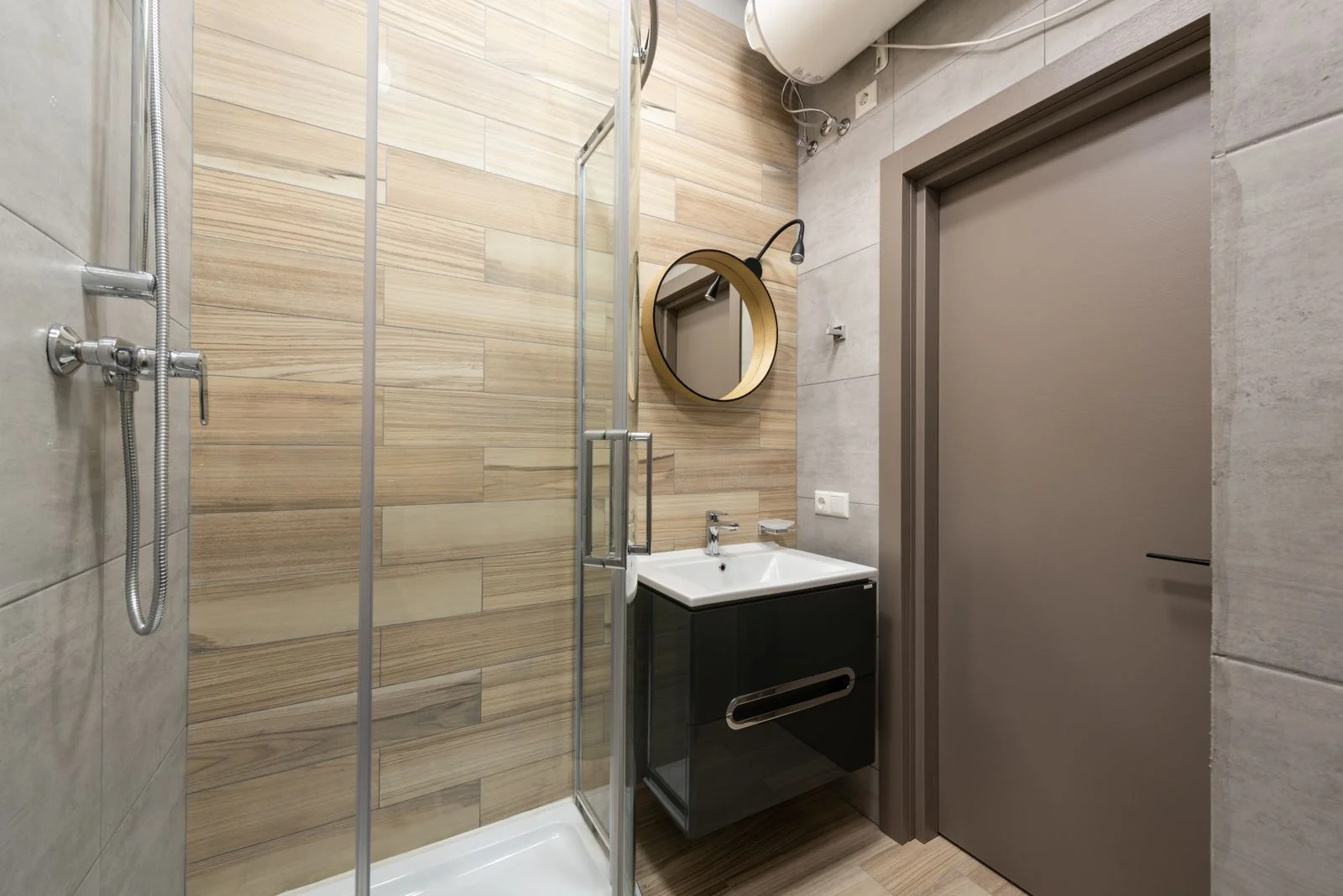
A fold-down or wall-mounted desk is the single best answer for a tiny bedroom. It mounts to the wall with a few screws, folds down to a full work surface during the day, and folds flat against the wall at night, leaving the room looking like a bedroom again. When it is closed, the workday is visibly over.
Choose a fold-down desk deep enough for a laptop and a notebook, but no deeper, because a deep desk folded flat still sticks out into the room. Inside the folded panel, a small shelf or pocket can hold a pen and a notebook, so the desk is ready in one motion. One fold, and work appears; one fold, and it is gone.
2. Face The Desk To The Window, Not The Bed
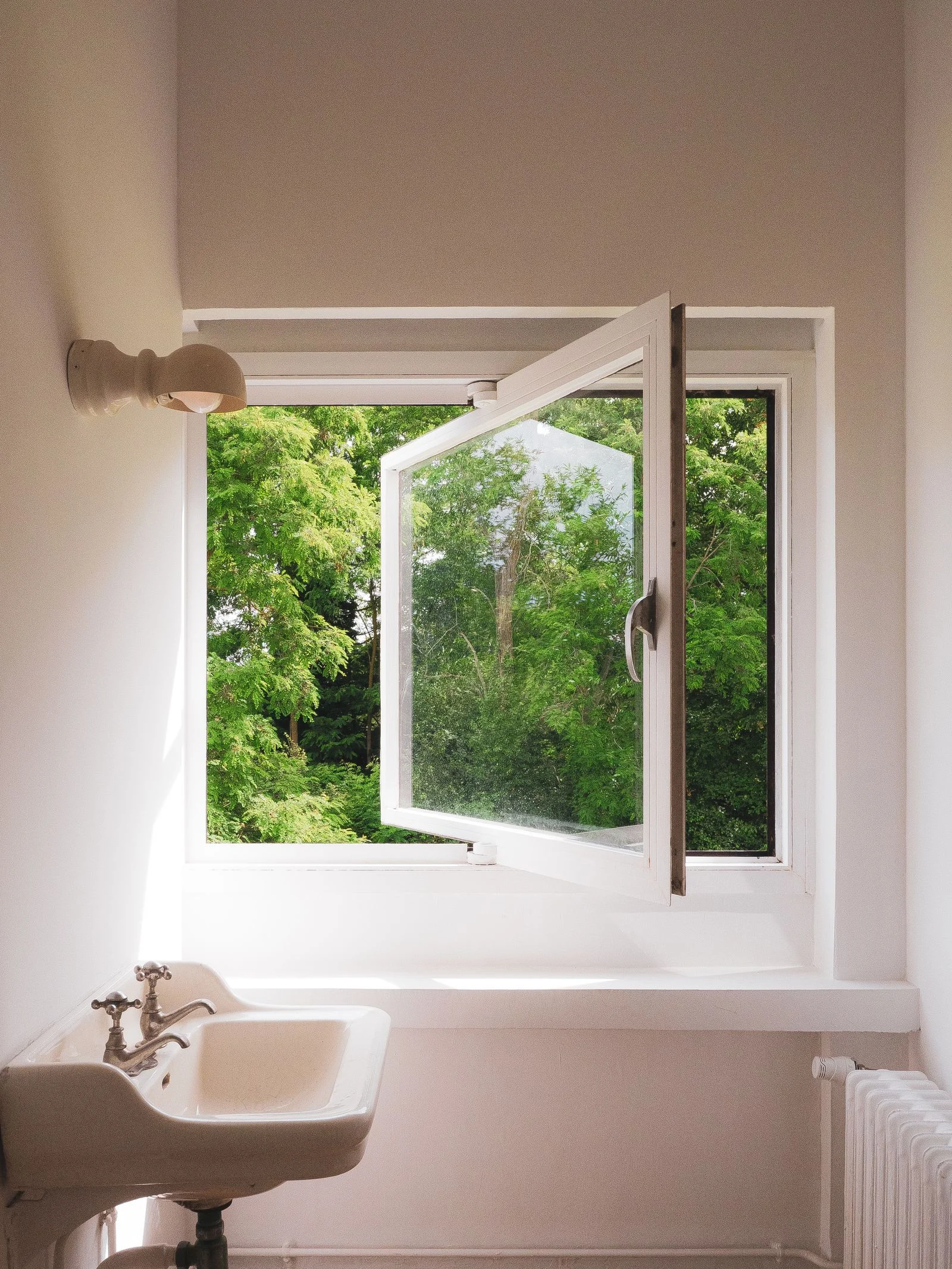
Where the desk faces changes how work feels. Facing the window gives you daylight, a view, and a sense of space, while facing the bed gives you a constant reminder that you should be resting, or that you should be working when you are trying to rest. Put the desk against the wall beside or beneath the window, with your chair facing outward.
This also helps on video calls, because window light falls on your face instead of behind you, and the background is a wall, not a bed. If the window wall is taken, face the desk toward the door or the longest clear wall, but never toward the bed. Separation by direction is free, and it works even in the smallest room.
3. One Drawer Or Tray For All Work Clutter
Work clutter spreads because it has no single home. Give it one: a single drawer, or a tray that sits on the desk, where every pen, cable, notebook, and paper lives. When work ends, everything goes into the drawer or tray, and the desk surface is clear. Nothing spreads because there is nowhere else for it to go.
Keep the tray small on purpose. A big tray invites a big mess, while a small one forces a weekly clear-out of things you no longer need. One drawer or tray, used strictly, is the difference between a desk that looks tidy at 6pm and a desk that slowly colonises the whole bedroom.
4. A Chair That Tucks Fully Under The Desk
A chair left sticking out into a small bedroom blocks the walkway and makes the room feel cramped all evening. Choose a chair that slides fully under the desk when not in use, with no arms that catch on the desk edge, and a height that clears the desk frame. When work ends, the chair disappears, and the floor is free again.
If a full chair will not fit, a folding chair hung on a hook by the desk works just as well, and it frees the floor completely. The rule is simple: when the desk is closed, the chair should be invisible too. A work zone that leaves no furniture behind is a work zone that never fights the bedroom.
5. A Cable Clip On The Desk Edge
One cable is tidy; a nest of cables is a mess that also collects dust and trips you in the dark. Stick a small cable clip on the desk edge and route the laptop charger through it, so the cable hangs in one controlled loop instead of snaking across the floor. One clip, one cable, no nest.
This matters more in a small bedroom than in an office, because the desk is close to the bed and the walkway, and every loose cable is in the way. A pack of clips costs almost nothing, and the same trick works for a phone charger and a lamp cable. Clip them all, and the desk edge looks intentional instead of tangled.
6. A “Work Ends” Ritual: Laptop Shut, Desk Cleared, Lamp Off
A ritual marks the boundary between work and rest, and the brain needs that boundary to switch off. Make it three steps, every workday: laptop shut, desk cleared into the drawer, lamp off. It takes less than a minute, and it turns the end of work into a visible event instead of a slow fade into evening screen time.
Do the ritual at the same time each day if you can, because a fixed end time trains the brain to stop rehearsing work in the evening. The laptop shut is the key step: a closed laptop is a closed office. Desk cleared and lamp off are the confirmation. One minute, three steps, and the bedroom belongs to rest again.

7. Noise-Cancelling Headphones For Shared Homes
In a shared home, the bedroom desk is never truly private, and household noise is the biggest threat to focus. A pair of noise-cancelling headphones creates a quiet bubble without needing a door, a wall, or anyone else to change their behaviour. Put them on, and the kitchen conversation becomes a murmur you can ignore.
Keep the headphones on a hook by the desk, not in a drawer, so they are part of the work setup rather than something you have to hunt for. They also signal to housemates that you are working, which is a polite boundary in itself. One pair of headphones does the job of a closed door, without the door.
8. One Small Plant On The Desk, And Only One
A single small plant on the desk makes the work zone feel alive and pleasant, and it marks the desk as a cared-for place rather than a bare work surface. One plant is enough: a small pothos, a tiny succulent, or a cutting in a glass of water. It needs almost no care, and it softens the corner where you spend hours each day.
The “only one” part matters, because a desk covered in plants becomes a garden, not a workspace, and every extra pot is something to water and dust. One plant on the desk, and the rest of the room’s plants, if any, live elsewhere. The desk stays a desk, with one green note that makes work feel a little better.
9. Keep The Bed Out Of The Video-Call Background
A bed in the video-call background looks unprofessional, and it also blurs the line between work and rest for you. Angle the desk so the camera faces a plain wall, a shelf, or the window side, with the bed behind the camera, not behind you. A quick test call will show you exactly what others see.
If the room layout makes this impossible, hang a plain curtain behind the desk during calls, or use a simple background blur, but prefer the real angle first. A clean background is a small professional win, and it also means your private sleeping space stays private, even when you work from the same room you sleep in.
10. If The Room Is Tiny, A Lap Desk Plus One Tray Beats A Full Desk
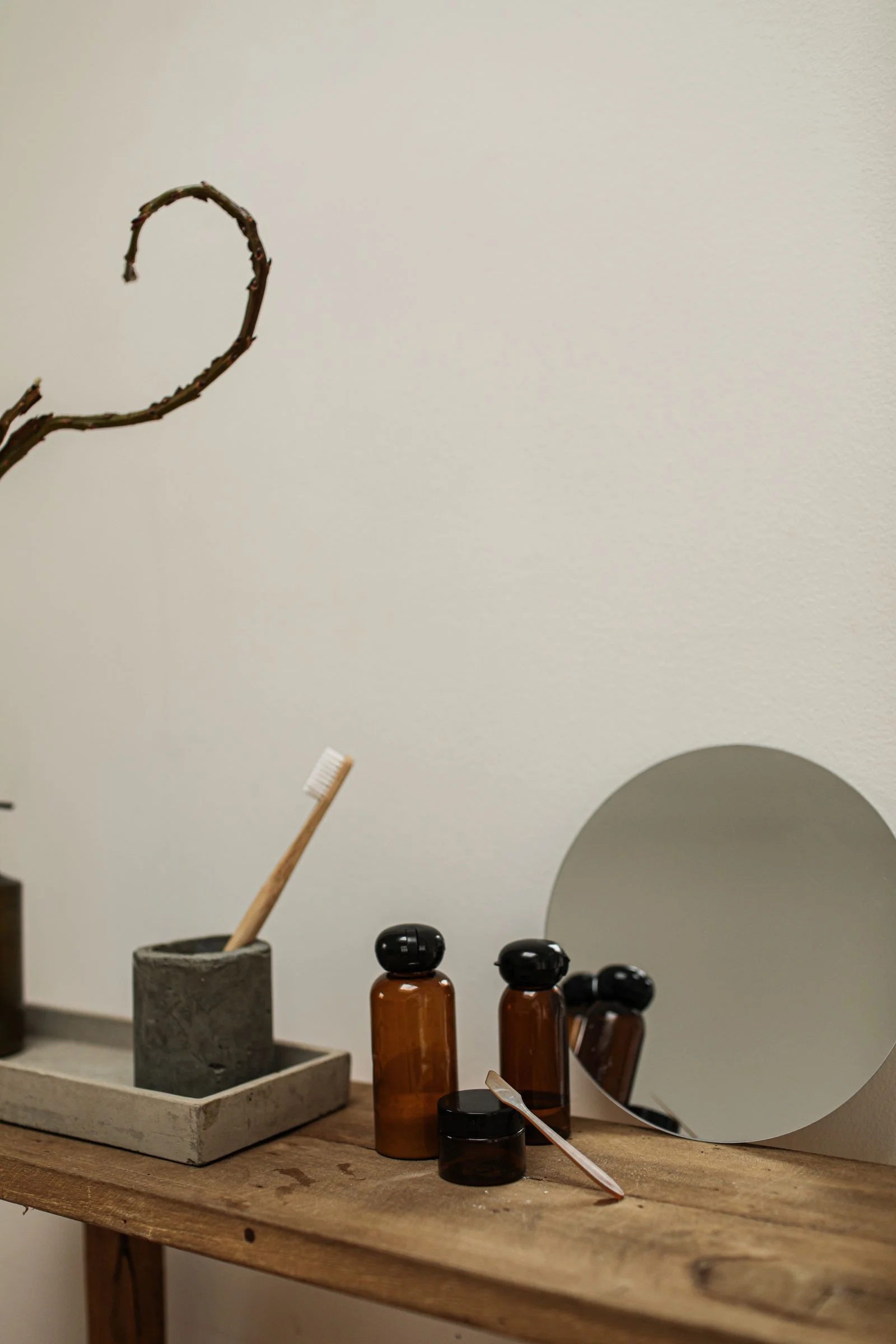
Sometimes the honest answer is that a full desk does not fit. If a desk would block the door, crowd the bed, or leave no walkway, do not force it. A lap desk and one tray beat a full desk that blocks the door every time. The lap desk holds the laptop, the tray holds the notebook and pens, and both pack away into a corner or under the bed when work ends.
This setup also works beautifully for study sessions and short work blocks, and it keeps the bedroom feeling like a bedroom, which is the whole point. A full desk is a tool, not a requirement. If the room is tiny, the lap desk plus tray is not a compromise, it is the right answer, and it disappears completely when the workday does.
Frequently Asked Questions
What is the best desk for a tiny bedroom?
A fold-down or wall-mounted desk is the single best answer. It mounts to the wall and closes at night, so the bedroom stays a bedroom. Choose one deep enough for a laptop and a notebook, but no deeper, because a deep desk takes over the room.
Where should I face a bedroom desk?
Face the desk to the window, not the bed. Window light gives daylight and a view, and it helps on video calls because light falls on your face instead of behind you. Facing the bed blurs the line between work and rest.
How do I stop work clutter spreading in a small bedroom?
Give work clutter one home: a single drawer, or a tray that sits on the desk. Keep the tray small on purpose. A big tray invites a big mess, while a small one forces a weekly clear-out, which keeps the bedroom tidy.
How do I mark the end of the workday in a bedroom?
Use a work-ends ritual: laptop shut, desk cleared, lamp off. Do it at the same time each day if you can, because a fixed end time trains the brain to stop. The ritual marks the boundary between work and rest, so the brain can switch off.
What if a full desk does not fit in my bedroom?
Sometimes the honest answer is that a full desk does not fit. If a desk would block the door, crowd the bed, or leave no walkway, do not force it. A lap desk holds the laptop, the tray holds the notebook and pens, and both pack away when work ends.
Final Thoughts
A bedroom desk works when it knows its place: present during work hours, gone by bedtime, and never blocking the door or facing the bed. A fold-down desk, a tucking chair, one tray for clutter, a cable clip, and a three-step end-of-work ritual are enough to build that, in any small room, without a renovation.
Start with the direction the desk faces and the ritual that ends the day. Those two cost nothing and change everything. Add the folding desk and the headphones when you can, and let the bedroom stay a bedroom, even on the busiest workdays.
Related reading: Small Bedroom Sleep Ideas That Bring Deeper Rest, Small Bedroom Ideas For Couples Sharing Small Rooms, and Small Bedroom Lighting Ideas For Soft Evenings.
Save this post on Pinterest and read Small Bedroom Sleep Ideas That Bring Deeper Rest.



One Comment