Cozy Small Bedroom Ideas for Better Sleep and Style
A small bedroom has one job above all others: it needs to feel calm enough to actually sleep in. But small bedrooms often end up doing double duty as storage, a home office, or an overflow closet, which makes true coziness hard to pull off. The good news is that a few focused changes can turn a cramped, cluttered bedroom into a genuinely restful retreat.
Here are 10 ways to make a small bedroom feel cozy, calm, and better suited for sleep.
1. Choose Bedding That Feels as Good as It Looks
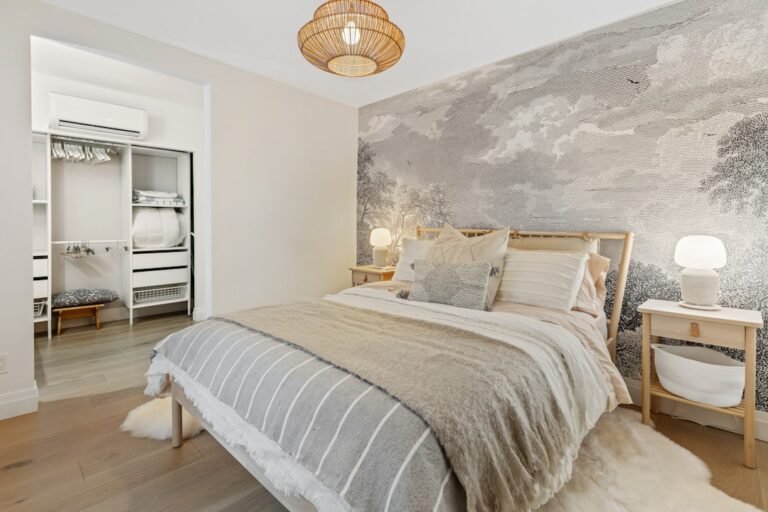
In a small bedroom, the bed is almost always the focal point, so the bedding itself carries a lot of visual and physical weight. Soft, breathable materials like cotton percale or linen not only photograph well, they actually feel better to sleep in, which matters more in a room whose main job is rest.
Layering a lightweight duvet with one heavier throw at the foot of the bed gives you both a cozy look and the flexibility to adjust warmth without buying a whole new bedding set each season.

2. Keep the Color Palette Calm and Warm
Bright, high-energy colors can work in a living room, but they tend to work against restfulness in a bedroom. Warm, muted tones — soft clay, warm gray, oatmeal — create a calmer visual environment that’s easier to wind down in at the end of the day.
If you rent and can’t paint, you can achieve the same effect through bedding, curtains, and a rug in your chosen palette, which is fully reversible when you move.

3. Add Blackout or Layered Curtains
Light control matters more in a bedroom than almost any other room, especially in a small apartment where the bedroom might also face a street or a neighboring building. Blackout curtains improve sleep quality directly, and layering them with a sheer curtain underneath adds softness during the day.
Hang curtains high and wide, the same trick used in living rooms, to make a small bedroom’s ceiling feel taller and its window feel more generous.

4. Use a Nightstand That Fits the Room, Not a Showroom
A full-sized nightstand can dominate a small bedroom’s floor space. A slim wall-mounted shelf, a small stool, or a narrow nightstand with just one drawer often works better, freeing up walking space around the bed without losing somewhere to put a lamp and a book.
If floor space is extremely tight, a floating shelf beside the bed can replace a nightstand entirely while keeping the floor completely clear.
5. Add Soft, Warm Lighting Near the Bed
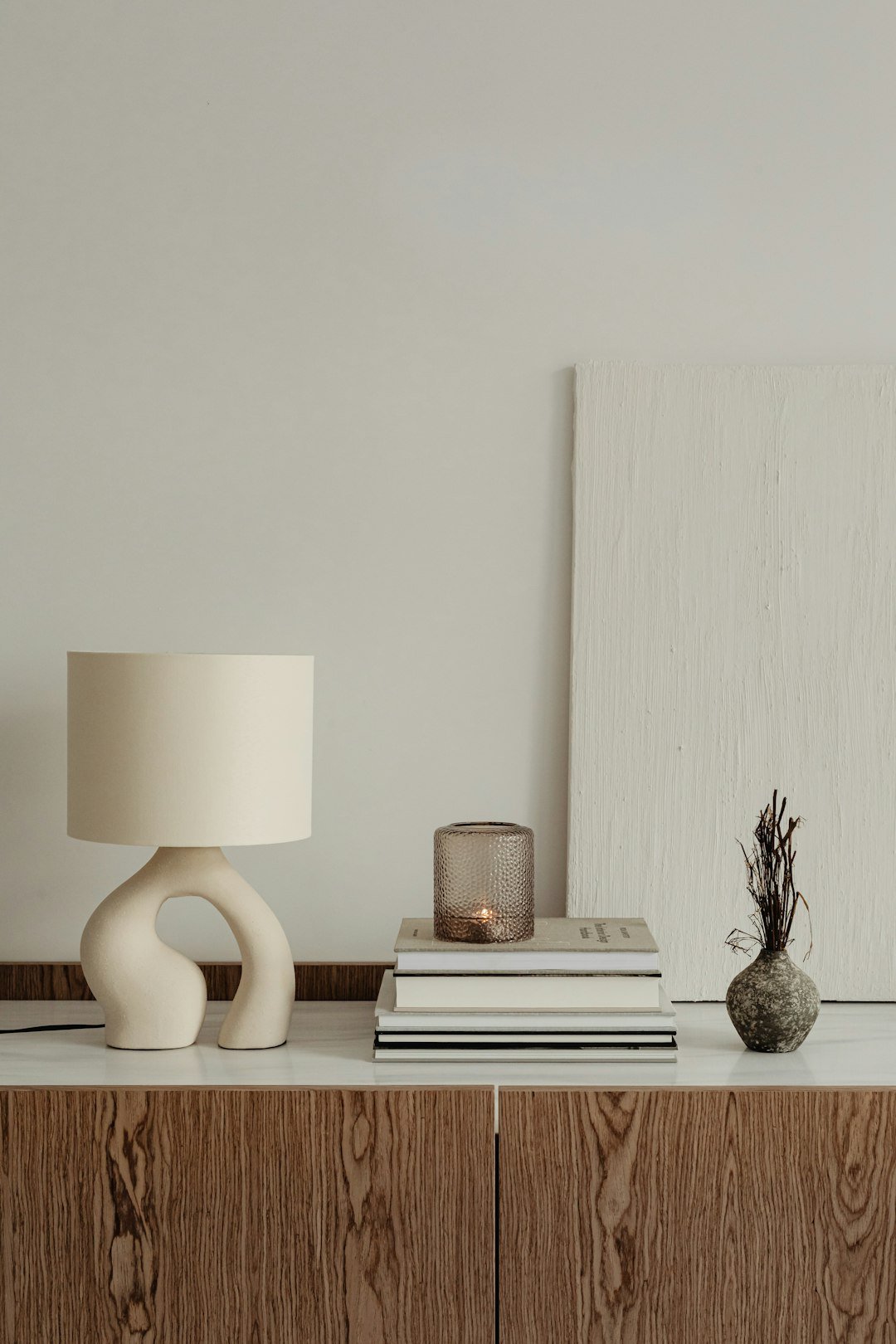
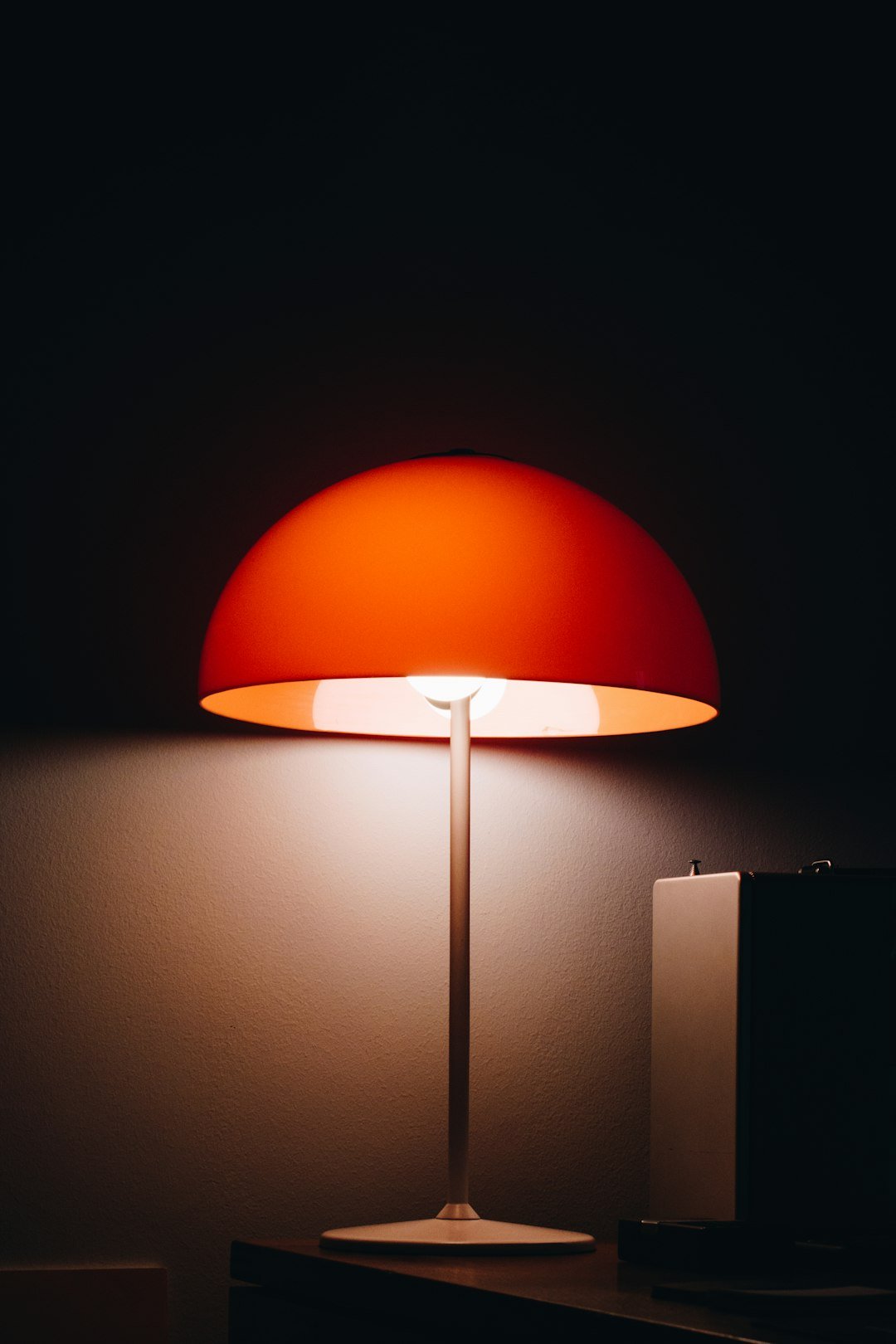
Overhead lighting is rarely flattering or restful in a bedroom. A small lamp on your nightstand or shelf, set to a warm-white bulb, creates a much softer, sleep-friendly glow for reading or winding down before bed.
A plug-in dimmer switch is an inexpensive, renter-friendly upgrade that lets you dim your existing lamp without rewiring anything.
6. Choose a Rug That Feels Good Underfoot
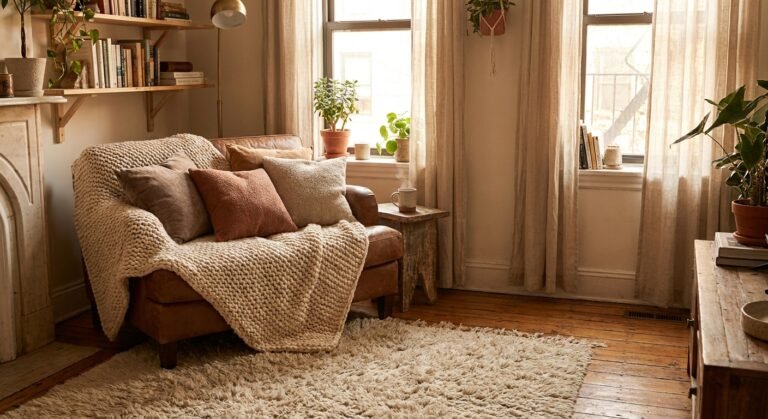
Stepping onto a soft rug first thing in the morning is a small but real comfort, and a rug on either side of the bed also visually softens a small bedroom’s hard flooring. A plush, low-pile rug works especially well here since it’s comfortable without trapping too much heat.
If a full-room rug isn’t practical, two smaller runner rugs placed on each side of the bed achieve the same cozy effect for less cost.

7. Maximize Storage Without Cluttering the Floor
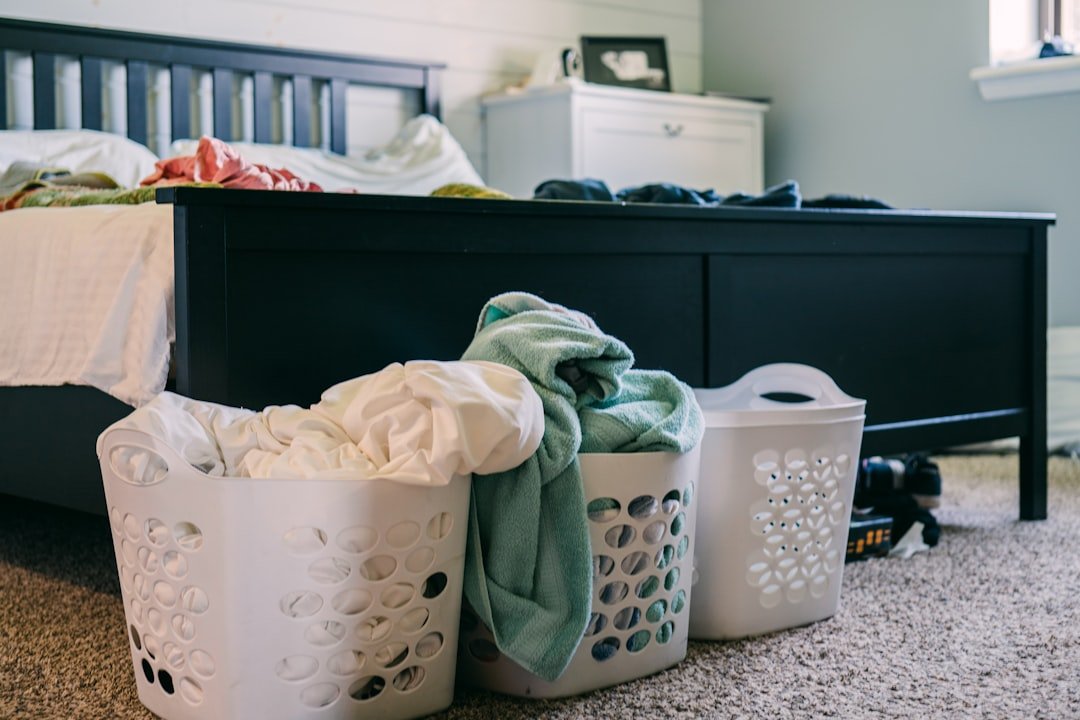
Clutter is one of the fastest ways to undermine a bedroom’s coziness, since visual chaos makes it harder to relax. Under-bed storage bins, a slim wardrobe, and wall-mounted hooks all add capacity without eating into the room’s walkable floor space.
Keeping surfaces like your dresser top mostly clear — just a tray with a few essentials — makes the whole room feel calmer at a glance, even before you change anything else.
8. Bring in One or Two Plants
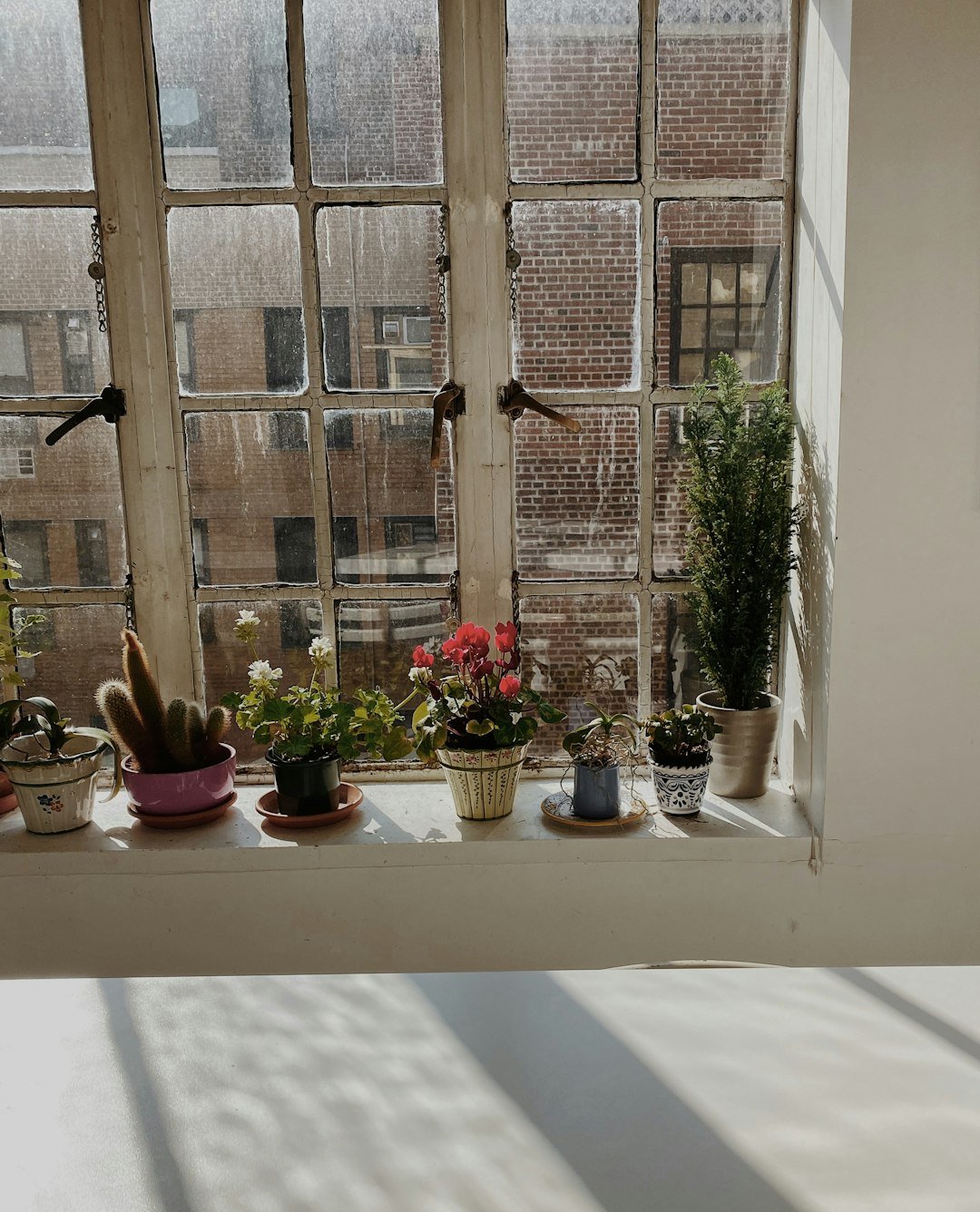
A small plant on a nightstand or windowsill softens a bedroom’s hard edges the same way it does in a living room, and low-light varieties like a pothos or snake plant tolerate a bedroom’s often-dimmer conditions well. Just keep it to one or two — a bedroom full of plants can start to feel more like a greenhouse than a calm retreat.
Avoid strongly scented plants near the bed, since some can be mildly stimulating rather than calming right before sleep.
9. Add a Textured Headboard or Wall Treatment
A padded headboard, a piece of leaned art, or even a textured tapestry behind the bed gives a small bedroom a finished, intentional focal point. This is especially useful in a studio or shared space where the bed itself needs to visually signal “this is the bedroom zone.”
A leaning headboard (see our renter-friendly DIY guide) is a fully removable option that adds this same visual anchor without a single screw in the wall.

10. Keep Screens and Work Out of Sight
In a small apartment where the bedroom might double as an office, keeping a laptop or desk setup visually separated — behind a curtain, inside a closet, or simply out of the eyeline from the bed — helps the room feel more like a place for rest and less like an extension of the workday.
Even placing your desk to face away from the bed, or adding a small folding screen, can create enough visual separation to protect the room’s restful feeling.
Final Thoughts
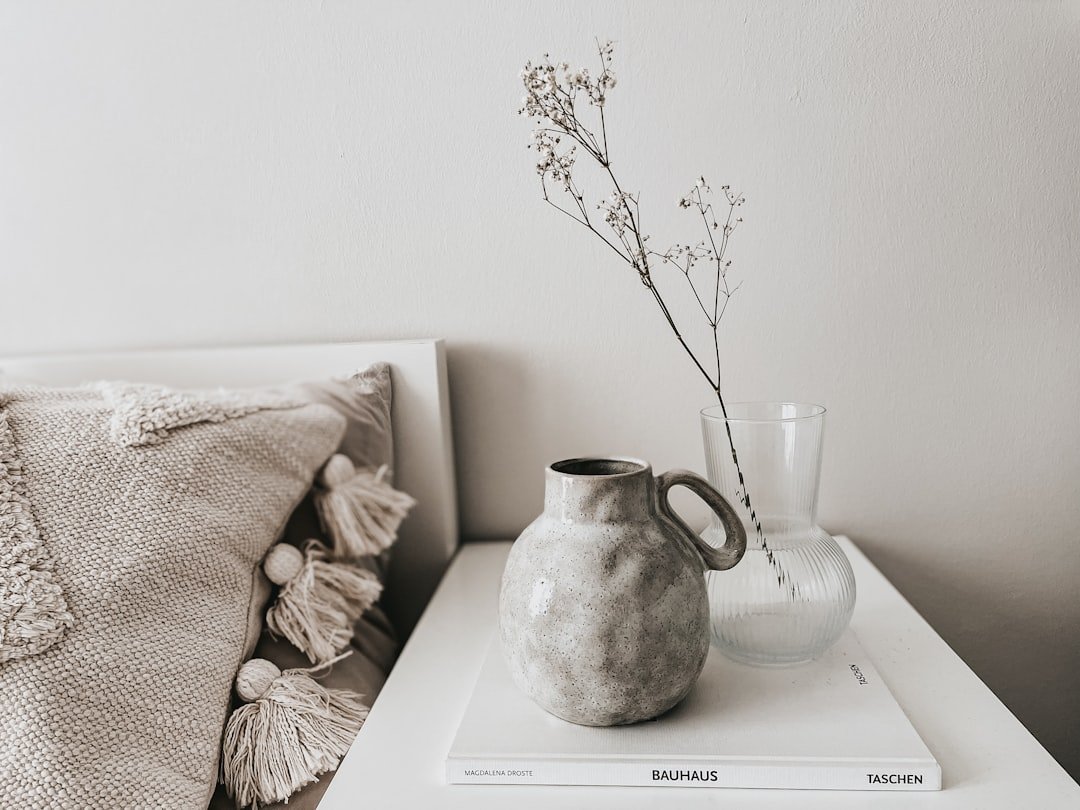
A cozy small bedroom comes down to a few consistent choices: soft, warm materials, calm colors, good light control, and keeping visual clutter to a minimum. None of these changes require more square footage — just a bit of intention about what a bedroom is actually for.