
Small Bedroom Ideas For Couples Sharing Small Rooms
Two people, one small room, no turf war. That is the whole challenge of a shared small bedroom, and it is mostly a design problem, not a relationship problem. When each person has their own spot, their own storage, and their own corner, however small, the room stops being a negotiation and starts being a home.
These ten ideas give both people equal footing in a small room. None of them needs a renovation, and most of them cost nothing at all. They are about fairness, routine, and small systems that prevent big arguments.
Key Takeaways
- Give each person a bedside spot.
- Split the wardrobe rail down the middle.
- Agree sleep temperature, fan and light once.
- Stagger get-ready times and write the rota down.
- Do a 10-minute nightly reset together.

1. One Bedside Spot Each: Lamp, Hook, Charger, Water
Every person needs a bedside spot of their own, even if it is just a small shelf or a tray on a shared nightstand. Each spot holds the same four things: a lamp, a hook or small dish for personal bits, a charger, and a glass of water. Symmetry matters here, because an unequal setup breeds quiet resentment faster than any big disagreement.
If there is only one nightstand, split it down the middle with a small tray each, or add a wall shelf on the side that has no table. The point is that neither person is the one who has to put their phone on the floor or balance a glass on the bed. One spot each, equally equipped, and the bed feels shared rather than borrowed.
2. Two Laundry Baskets, Not One Mountain
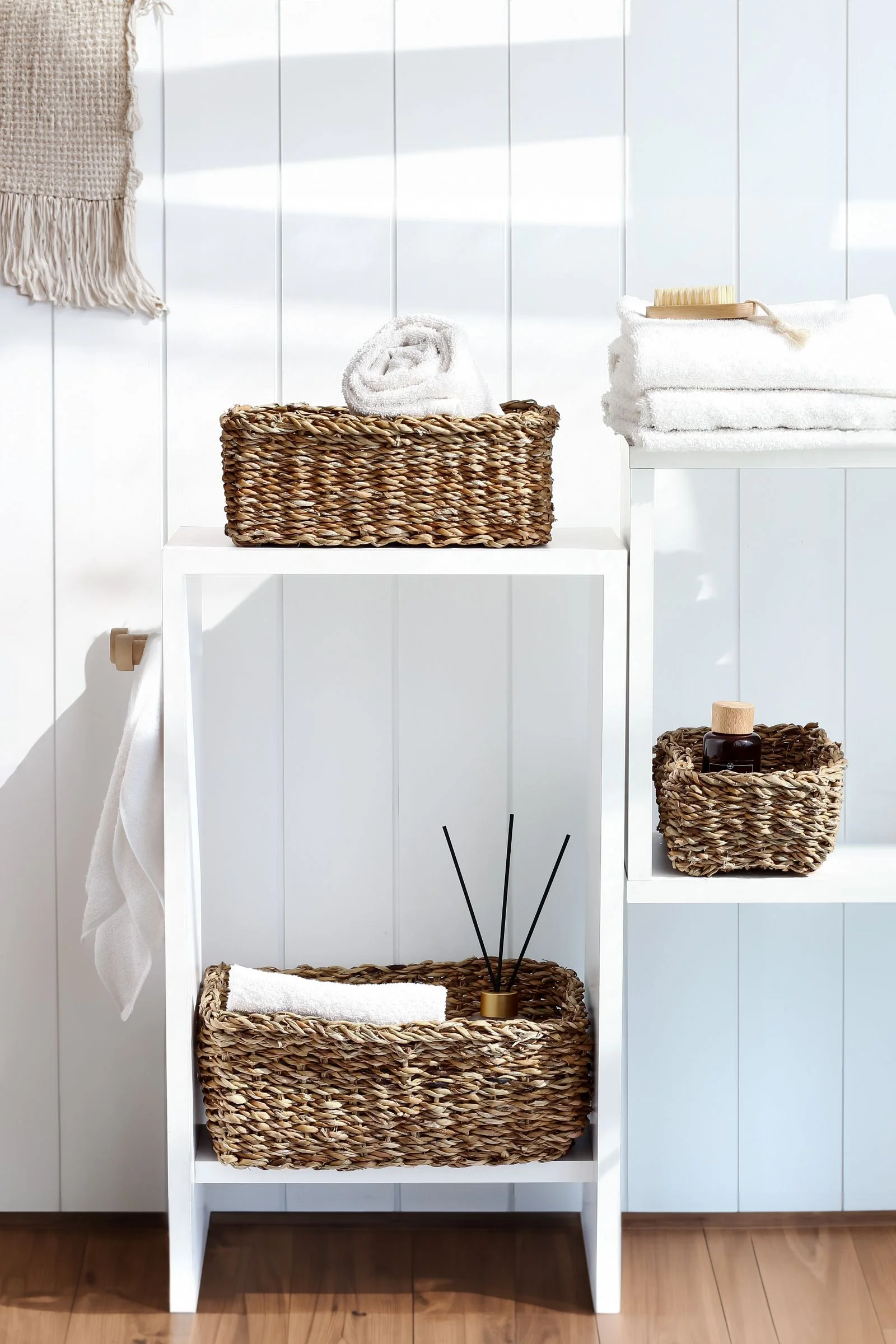
One shared laundry basket in a small bedroom becomes a mountain fast, and a mountain becomes an argument about whose turn it is to deal with it. Two baskets, one each, solve this cleanly: each person owns their own laundry, their own pile, and their own washing day. No blame, no counting, no mountain.
Keep the baskets slim and in one fixed spot, like beside the wardrobe or inside the wardrobe area, so they do not eat floor space. A basket each also makes laundry day faster, because each person washes their own load when it is full. Two baskets are a small purchase that prevents a recurring argument, which is a very good trade.
3. Split The Wardrobe Rail Down The Middle
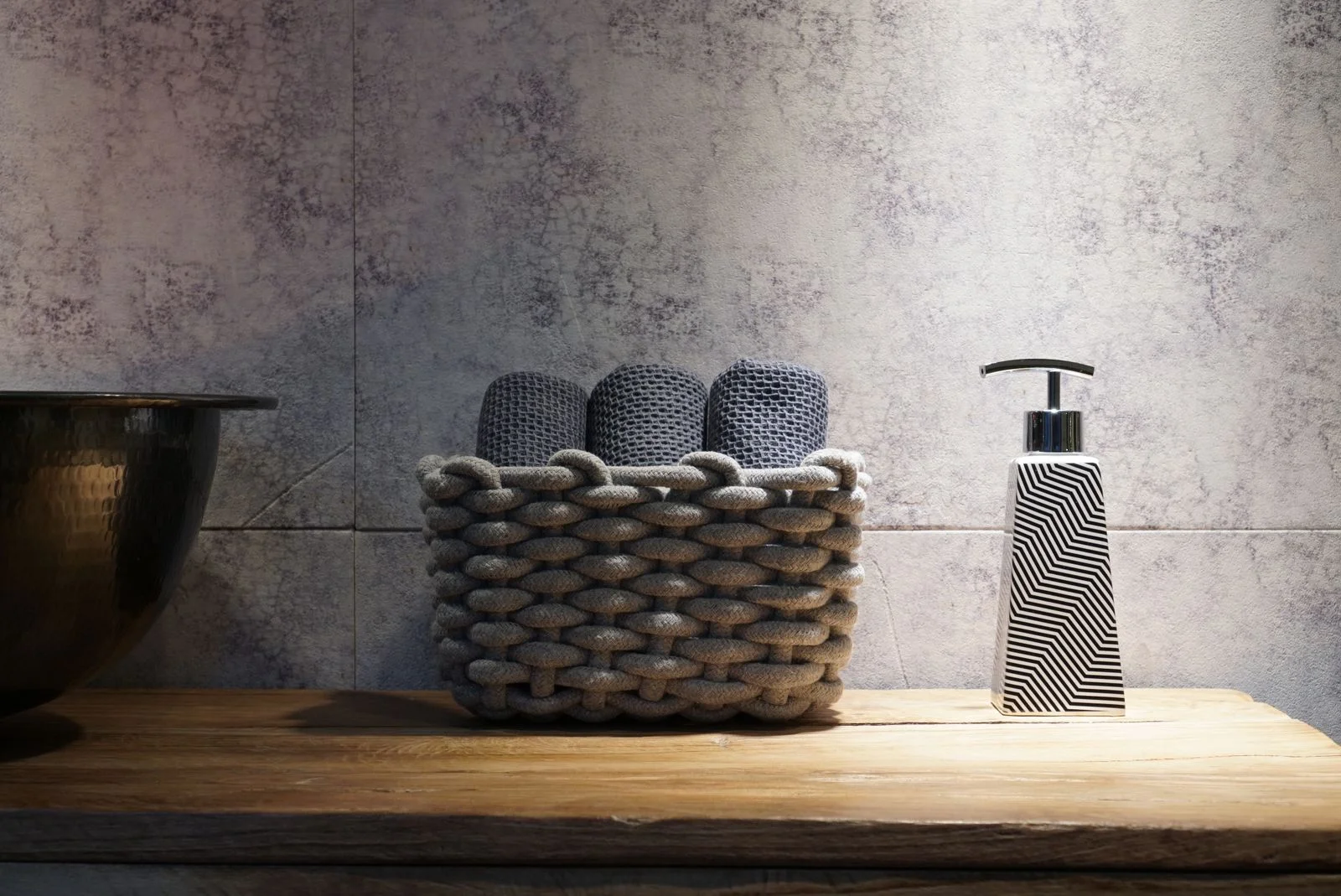
A shared rail without a rule becomes a slow land grab, with one person’s clothes quietly taking over the other person’s half. Split the rail down the middle, openly, and mark the split if it helps: a different coloured hanger at the boundary, or a small divider ring. No borrowing space silently, and no surprise when the rail feels full.
Agree the split once, and revisit it only when the seasons change or one person’s wardrobe genuinely changes size. Fairness here is not about exact centimetres; it is about the agreement being explicit. When both people know where their half ends, the rail stops being a source of friction and becomes a system that just works.

4. Agree Once On Sleep Temperature, Fan, And Light
Sleep is where couples in small rooms clash most, because temperature, fan noise, and light are all shared. Agree once, properly, on the sleep temperature, whether the fan is on or off, and what light is allowed after bedtime. Write it down if that helps, but the important part is that it is decided once, not renegotiated every night when both people are tired.
Compromises exist for every clash: a fan on low plus a light blanket for the cold sleeper, a sleep mask for the light-sensitive one, an extra blanket on one side of the bed only. Decide the compromise when you are both awake and calm, and then honour it. One agreement, made once, saves a hundred tired nightly negotiations.

5. Staggered Get-Ready Times On Workdays, Written Once
Two people getting ready in a small bedroom at the same time is a traffic jam. Stagger it: one person gets ready first, the other second, with times written once and stuck to. Fifteen or twenty minutes of stagger is usually enough, and it turns a crowded morning into two calm ones.
Write the rota down, on a phone note or a small card inside the wardrobe door, so it is a system rather than a daily discussion. The early riser gets the room first, the second riser gets a clear room after, and neither person is brushing teeth around the other. One rota, written once, and mornings stop being a negotiation.

6. One “Shared” Drawer For Chargers, Meds, And Spares
Every shared room accumulates shared bits: chargers, medicines, spare batteries, plasters, a sewing kit. Without a home, they spread across every surface. Give them one shared drawer, known to both people, where all of it lives. When either person needs a charger, they know exactly where to look, and when something new arrives, it goes in the drawer, not on the nightstand.
Label the drawer if it helps, and clear it once a month, because shared drawers attract clutter faster than personal ones. One drawer, shared and known, keeps the surfaces clear and stops the daily hunt for a charger. It is a tiny system that both people benefit from equally.

7. Two Pillows Each Is A Luxury: One Each Plus One Shared Reading Pillow
Pillow mountains look cozy in photos and eat half a small bed in real life. Agree on a pillow rule: one sleeping pillow each, plus one shared reading pillow that lives at the head of the bed during the day and gets used by whoever is reading at night. Three pillows total, not six or eight, and the bed stays usable.
This also ends the nightly pillow reshuffle, where pillows are stacked, thrown, and retrieved in a ritual that wakes both people. One each for sleeping, one shared for reading, and the bed is made in seconds in the morning. A small rule about pillows sounds trivial, and it genuinely improves both sleep and mornings.

8. A 10-Minute Nightly Reset Together, Same Time
A small room shared by two people drifts into mess twice as fast as a room used by one, so it needs a reset twice as reliable. Do a ten-minute nightly reset together, at the same time every night: clothes on hooks, surfaces cleared, laundry in baskets, bed straightened. Ten minutes, both people, done before the wind-down starts.
Doing it together matters, because a reset done by one person alone breeds resentment, while a reset done together feels like teamwork. Put on a short song or a timer, make it a habit rather than a chore, and the room starts every morning tidy. Ten minutes together is the cheapest relationship maintenance a shared small room can have.

9. Talk About Clutter Before It Becomes A Fight: One Monthly Check-In
Clutter arguments are rarely about clutter; they are about feeling unheard. Hold one monthly check-in, ten minutes, calm, about how the room is working: what is annoying whom, what needs a new home, what rule needs adjusting. Talk about it before it becomes a fight, when it is still a small thing, and it stays a small thing.
Keep the check-in short and practical, not a grievance session. Each person names one thing that would make the room better, and you agree one change. One check-in a month, one change a month, and the room evolves with both people’s needs instead of drifting into one person’s habits. Small rooms need this more than big ones, because there is nowhere for friction to hide.

10. Keep One Corner That Belongs To Each Person, However Small
Even in the smallest shared room, each person needs one corner that is theirs alone: a chair, a shelf, a section of the desk, a hook with their things on it. However small, it is a place where one person’s taste and belongings rule, without negotiation. That tiny bit of ownership makes sharing the rest of the room much easier.
Defend these corners equally. If one person’s corner is a full chair and the other’s is a single hook, the imbalance will show. Make them roughly equal in size and importance, even if they look different. One corner each, respected by both, and the shared room feels like it belongs to two people, not one person and a guest.

Frequently Asked Questions
How can two people share a small bedroom fairly?
Build fairness into the room instead of arguing about it every day. Give each person a bedside spot, split the wardrobe rail down the middle, and give each person a corner of their own, however small. When both people have equal footing, the room stops being a negotiation.
How do we split the wardrobe rail?
Agree the split once, so a shared rail does not become a slow land grab with clothes quietly taking over. Revisit it only when the seasons change or a wardrobe genuinely changes. A clear rule, agreed once, prevents daily arguments about space.
What if we disagree about sleep temperature and light?
Sleep is where couples in small rooms clash most, because temperature, fan noise and light are all personal. Agree once on temperature, fan and light, and use compromises for every clash, such as a fan on low plus a light blanket for the cold sleeper, and a sleep mask.
How do we avoid morning traffic jams in a small bedroom?
Stagger get-ready times on workdays, so two people are not getting ready in the same small room at the same time. Write the rota down, on a phone note or a small card inside the wardrobe door, so it is a system rather than a daily negotiation.
How do we keep a shared small bedroom tidy?
Use two slim laundry baskets in one fixed spot, beside the wardrobe or inside the wardrobe area, and keep one shared drawer for chargers, medicines and spares, cleared once a month. Then do a 10-minute nightly reset together, at the same time.
Final Thoughts
Sharing a small bedroom works when fairness is built into the room, not argued about every day. One bedside spot each, two baskets, a rail split down the middle, one agreement on sleep, a written morning rota, a shared drawer, a pillow rule, a nightly reset together, a monthly check-in, and one corner each: that is the whole system, and it fits in any small room.
Start with the bedside spots and the rail split this weekend, and agree the sleep temperature and morning rota over dinner. The rest follows naturally. Two people, one small room, and a system that gives both of them an equal home in it: that is what a couples’ small bedroom should feel like.
Related reading: Small Bedroom Sleep Ideas That Bring Deeper Rest, Small Bedroom Lighting Ideas For Soft Evenings, and Small Bedroom Desk Ideas For Work And Study Time.
Save this post on Pinterest and read Small Bedroom Sleep Ideas That Bring Deeper Rest.




3 Comments