
Small Bedroom Lighting Ideas For Soft Evenings
Evenings want glow, not glare. A single harsh ceiling light makes a small bedroom feel like an interrogation room, while two or three soft, warm lights make the same room feel like a retreat. Lighting is the fastest way to change how a bedroom feels, and it needs no renovation at all.
These ten ideas layer light the way a good room layers bedding: a little here, a little there, nothing harsh, everything warm. All of them work in rented rooms, and most of them cost less than a takeaway dinner.
Key Takeaways
- Layer light instead of relying on one overhead.
- Use two bedside lights for softer evenings.
- Add a dimmer or smart bulb to the main light.
- Keep the ceiling light off after 9pm, lamps only.
- Choose 2700K warm white bulbs, never blue-white.
1. Two Bedside Lights Beat One Overhead
One overhead light floods a small room evenly and flatly, which is why it feels so harsh. Two bedside lights, one per side, warm white, at pillow height, create pools of soft light exactly where you need them: for reading, for winding down, for finding your way at night. The middle of the room stays gently dim, which is what makes it feel cozy.
If you share the bed, two lights also mean independence: one person can read while the other sleeps, with only a small lamp on their side. Choose lamps with a warm bulb, 2700K, and a shade that softens the light rather than a bare bulb. Two small lights beat one big light in every small bedroom, every time.
2. A Dimmer Or Smart Bulb On The Main Light
The main ceiling light does not have to be all or nothing. A dimmer switch, or a smart bulb you control from your phone, turns it from cleaning-bright to evening-soft in seconds. Bright for cleaning and finding things, soft for evenings, and one bulb does both jobs. In a rented room, a smart bulb is the renter-friendly version: it screws into the existing fitting, no wiring needed.
Set the evening level once and leave it. When the dimmer becomes a habit, the room changes character at the same time every night, and that change becomes part of the wind-down. One dimmer or smart bulb is the single upgrade that changes a small bedroom the most, for the least money and effort.
3. Clip-On Or Wall Sconces Save Nightstand Space
Nightstands in small bedrooms are tiny, and a lamp can eat half of one. Clip-on lights that attach to the headboard, or wall sconces mounted beside the bed, give you reading light without taking any surface at all. The nightstand stays free for a book, a glass of water, and a phone charger, which is everything it actually needs to hold.
Sconces also put light at the right height for reading in bed, higher than a nightstand lamp and closer to the pillow. Battery-powered or plug-in sconces avoid wiring entirely, which keeps them renter-friendly. Free the nightstand, and the whole bedside feels calmer and more spacious.
4. A Warm LED Strip Behind The Headboard
A warm LED strip stuck behind the headboard creates a soft halo of light on the wall, perfect for reading and winding down, with no visible bulb and no glare. It turns the headboard into a gentle light source, and the room glows instead of shining. Choose a warm white strip, not a coloured one, for a calm evening effect.
Most strips are adhesive, peel-and-stick, and removable, so they suit rented rooms. Run the strip along the back of the headboard, hide the small controller behind a pillow, and switch it on when the ceiling light goes off. It is the closest thing to candlelight that needs no flame, and it makes a small bedroom feel deliberately cozy rather than accidentally dim.
5. Keep The Ceiling Light Off After 9pm: Lamps Only
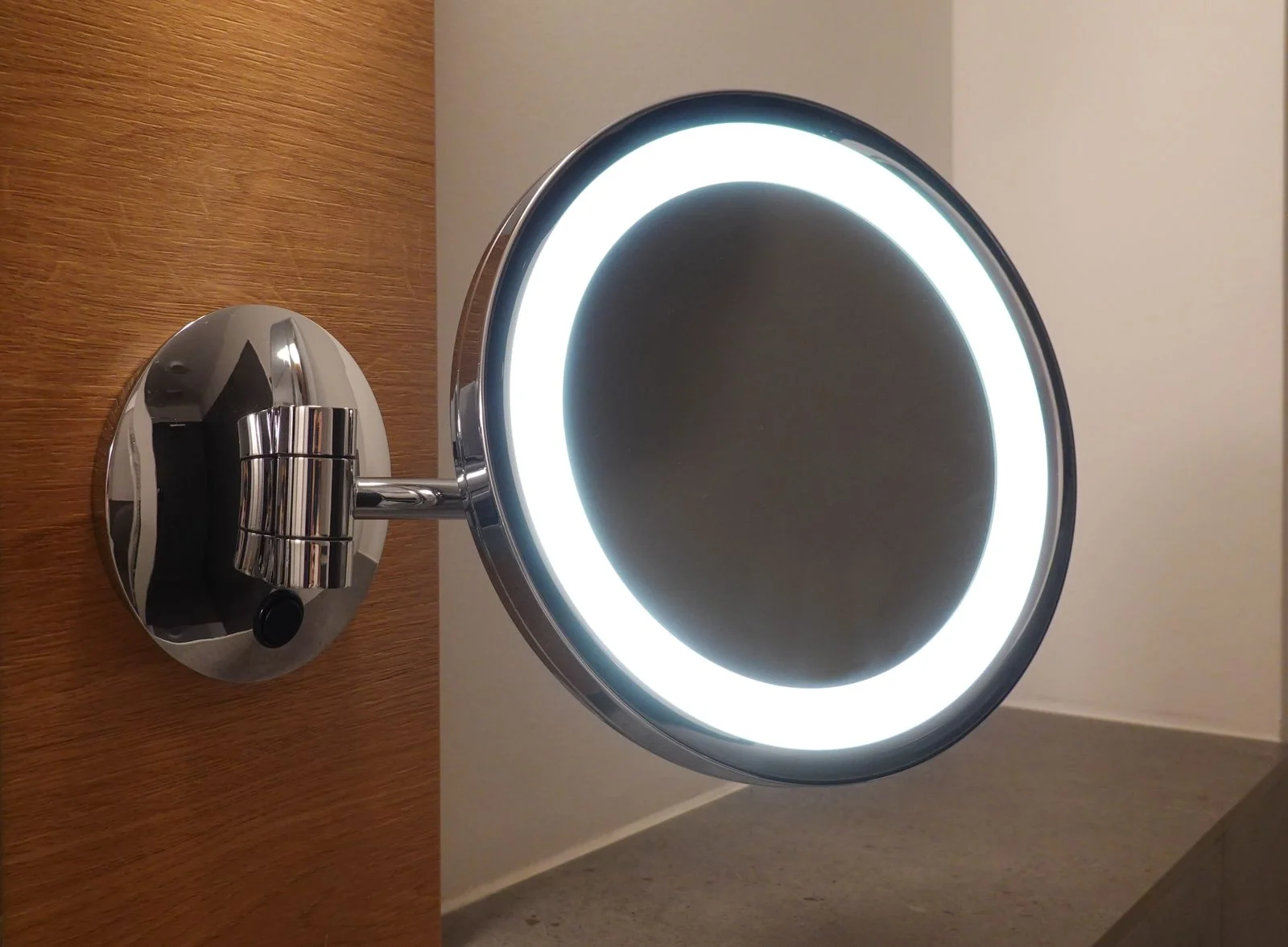
This is a rule, not a purchase, and it costs nothing. After 9pm, the ceiling light stays off, and only lamps are allowed. The change in the room is immediate: shadows soften, the bed looks inviting, and the brain gets a clear signal that the day is ending. A rule like this works because it is simple and absolute.
Tell everyone who shares the room about the rule, so it holds even when you are not the one switching lights on. Lamps-only evenings also make the room look better to walk into, which is a small daily pleasure. One rule, no cost, and the evenings in a small bedroom feel completely different from the first night you try it.
6. One Candle On A Tray, Never On Fabric
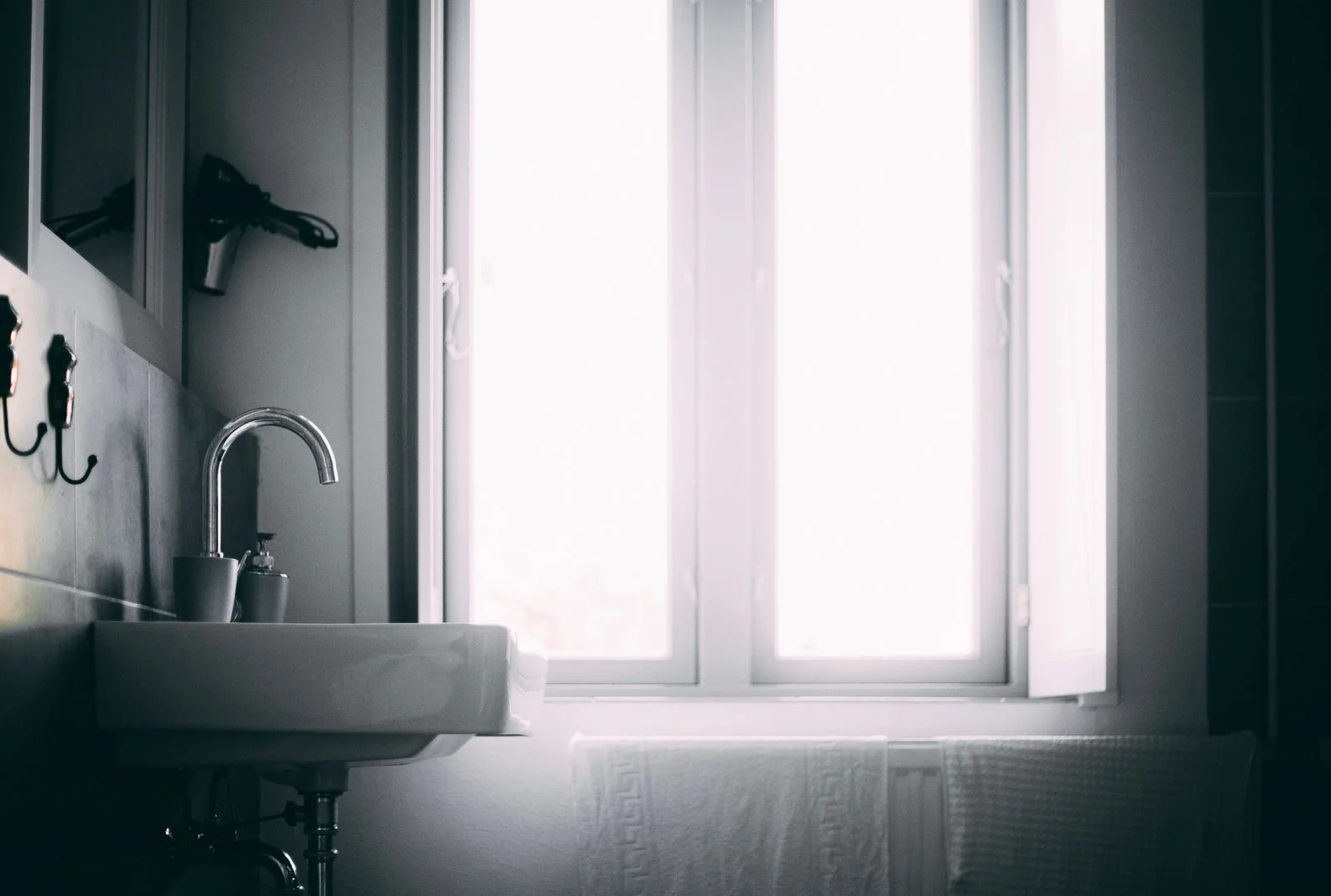
Candlelight is the oldest soft light there is, and one candle in a small bedroom is enough to change the whole mood. Keep it on a tray, on a hard surface like a dresser or a shelf, never on fabric, bedding, or a pile of books. The tray catches wax and contains the flame, and it makes the candle look intentional rather than improvised.
If real flames worry you, or if the building rules forbid them, an LED candle on the same tray gives the same flicker with no risk. One candle, one tray, one safe spot: that is the whole idea. More candles do not mean more cozy in a small room; they mean more clutter and more risk. One is perfect.
7. A Mirror Opposite The Window To Stretch Daylight
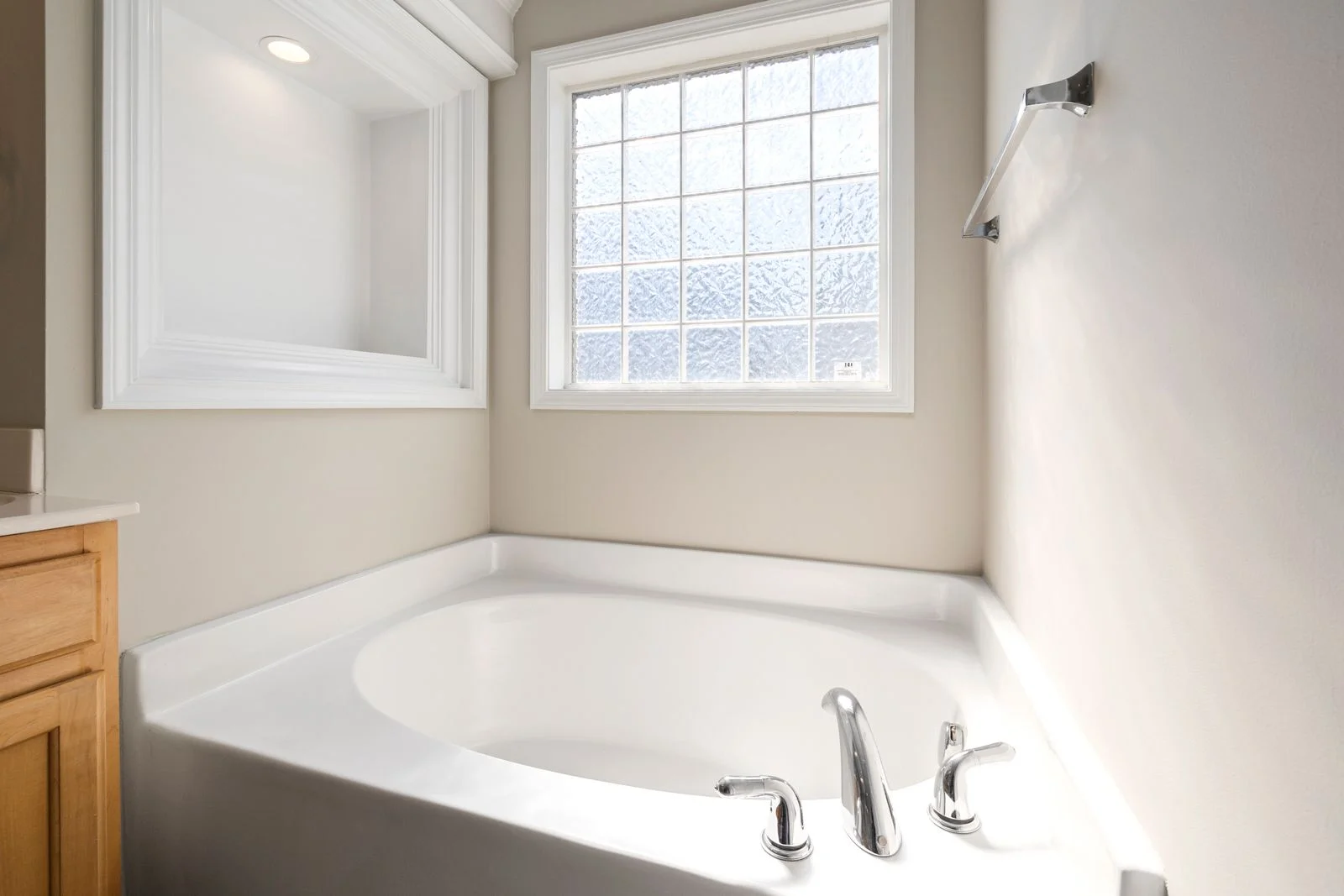
A mirror opposite the window bounces daylight deeper into the room, which matters in a small bedroom that may only have one small window. The mirror doubles the sense of light during the day, and in the evening it doubles the glow of the lamps too. Hang it or lean it against the wall opposite the window, at a height where it catches the window, not the ceiling.
This also makes the room feel bigger, because the eye reads the reflected space as extra room. A plain, simple mirror works best: no heavy frame, no fussy shape, just a clean reflection. One mirror, opposite the window, and the room’s light works twice as hard all day.

8. Sheer Curtains By Day, Blackout By Night: One Rod, Two Layers
One rod can carry two layers, and that solves both the daylight and the darkness problem. Sheer curtains by day let light in while keeping privacy, so the room feels bright without feeling exposed. Blackout curtains by night, on the same rod or a second tension rod behind the sheer, shut the light out completely for sleep.
Two layers on one rod need no extra hardware beyond a double rod or a tension rod, both renter-friendly. During the day, pull the sheer closed and the blackout open; at night, reverse them. The room gets the best of both: bright and private by day, dark and sleep-ready by night, with one simple system.
9. Check Bulbs Monthly: One Dead Bulb Darkens A Tiny Room Fast
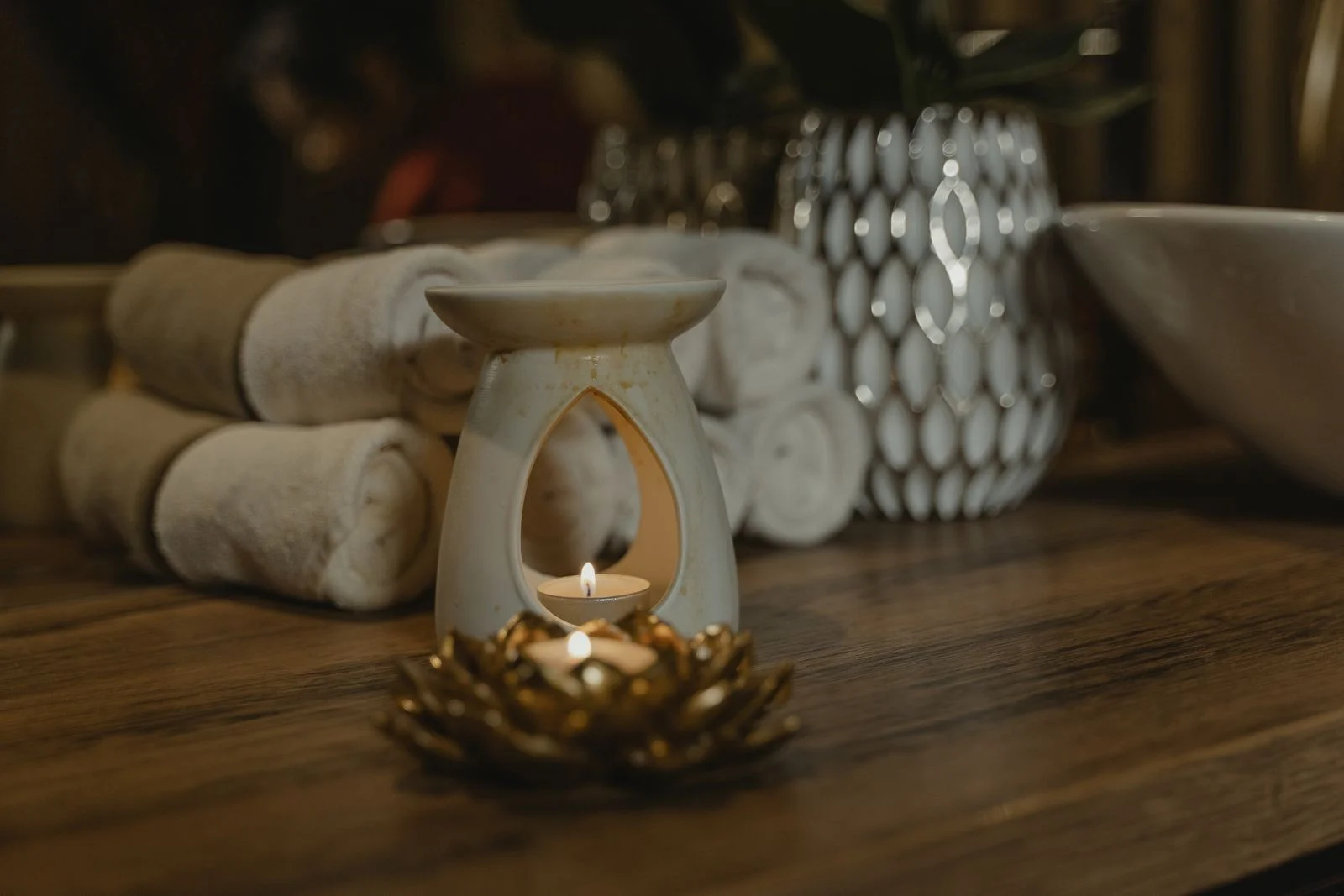
In a big room, a dead bulb is a minor annoyance. In a tiny room with only two or three lights, one dead bulb can darken a whole corner and throw the whole lighting plan off. Check bulbs once a month, on the same day you do another small household job, and replace any that are dimming or dead.
Keep one spare warm white bulb in the bedroom drawer, so a replacement takes a minute instead of waiting for a shopping trip. This is a boring tip and an important one: soft evening lighting only works when all the lights actually work. A monthly check keeps the plan intact.
10. No Blue-White Bulbs In The Bedroom: 2700K Warm White Only
Blue-white bulbs, the kind rated 5000K or higher, belong in a garage or an office, not a bedroom. They feel cold, they make skin look harsh, and they signal daytime to the brain at exactly the hour you want it to wind down. In a bedroom, use 2700K warm white only, in every single bulb, so the whole room glows the same soft colour.
Check the bulb box before you buy, because bulbs that look similar on the shelf can be very different in colour. Replace any blue-white bulbs already in the room, even in the ceiling light, because one cold bulb can spoil the warmth of all the others. Warm white everywhere, no exceptions, and the evenings take care of themselves.
Frequently Asked Questions
Why does one overhead light feel so harsh in a small bedroom?
One overhead light floods a small room evenly and flatly, which is why it feels so harsh. Two bedside lights soften the room instead, and if you share the bed, two lights also mean independence, so one person can read while the other sleeps.
How can I dim the main light without rewiring?
The main ceiling light does not have to be all or nothing. A dimmer switch, or a smart bulb, lets you set a lower evening level. Set the evening level once and leave it, so the dimmer becomes a habit.
How do I save nightstand space and still read in bed?
Nightstands in small bedrooms are tiny, and a lamp can eat half of one. Clip-on lights that attach to the headboard, and wall sconces, free the nightstand. Sconces also put light at the right height for comfortable reading in bed.
What is the lamps-only rule after 9pm?
After 9pm, the ceiling light stays off, and only lamps are used. This rule costs nothing, because it is a rule, not a purchase. Tell everyone who shares the room about the rule, so it holds even when you are not the one switching the lights.
Which bulbs should I use in the bedroom?
Use 2700K warm white bulbs only. Blue-white bulbs, rated 5000K or higher, belong in a garage or an office, not a bedroom. Check the bulb box before you buy, because bulbs that look similar on the shelf can be very different.
Final Thoughts
Soft evening light in a small bedroom is not about buying expensive lamps. It is about layering: two bedside lights instead of one overhead, a dimmer for the main light, a warm strip behind the headboard, a mirror stretching the daylight, and a lamps-only rule after 9pm. Each layer is small, and together they transform the room.
Start tonight with the rule: ceiling light off after 9pm, lamps only. Add the dimmer and the warm bulbs this week, and the sconces and strip when you can. A small room lit softly in the evening is a room you will look forward to coming home to, every single night.
Related reading: Small Bedroom Sleep Ideas That Bring Deeper Rest, Small Bedroom Ideas For Couples Sharing Small Rooms, and Small Bedroom Desk Ideas For Work And Study Time.
Save this post on Pinterest and read Small Bedroom Sleep Ideas That Bring Deeper Rest.




2 Comments