
Small Kitchen Cooking Ideas For Tiny Kitchens
Cooking in a tiny kitchen isn’t about fighting the space — it’s about giving every step its own small, calm moment. When the counter is short and the hob has two rings instead of four, chaos sneaks in fast: bowls everywhere, veg half-chopped, something burning while you search for the salt. The fix isn’t a bigger kitchen; it’s a gentler rhythm that fits the space you have.
These ten ideas turn a small kitchen into a smooth little production line. Each one keeps the mess contained, the timing easy, and the mood cozy — so cooking dinner feels like a warm evening ritual instead of a scramble. No renovations, no gadgets you don’t need, just small workflow habits that make a tiny kitchen cook big.
Key Takeaways
- Prep everything before the hob goes on.
- Keep one board, one bowl and one damp cloth in play.
- Cook longest first and keep lids on to cut steam.
- Use a tray as a portable prep station.
- Finish with a five-minute nightly reset.
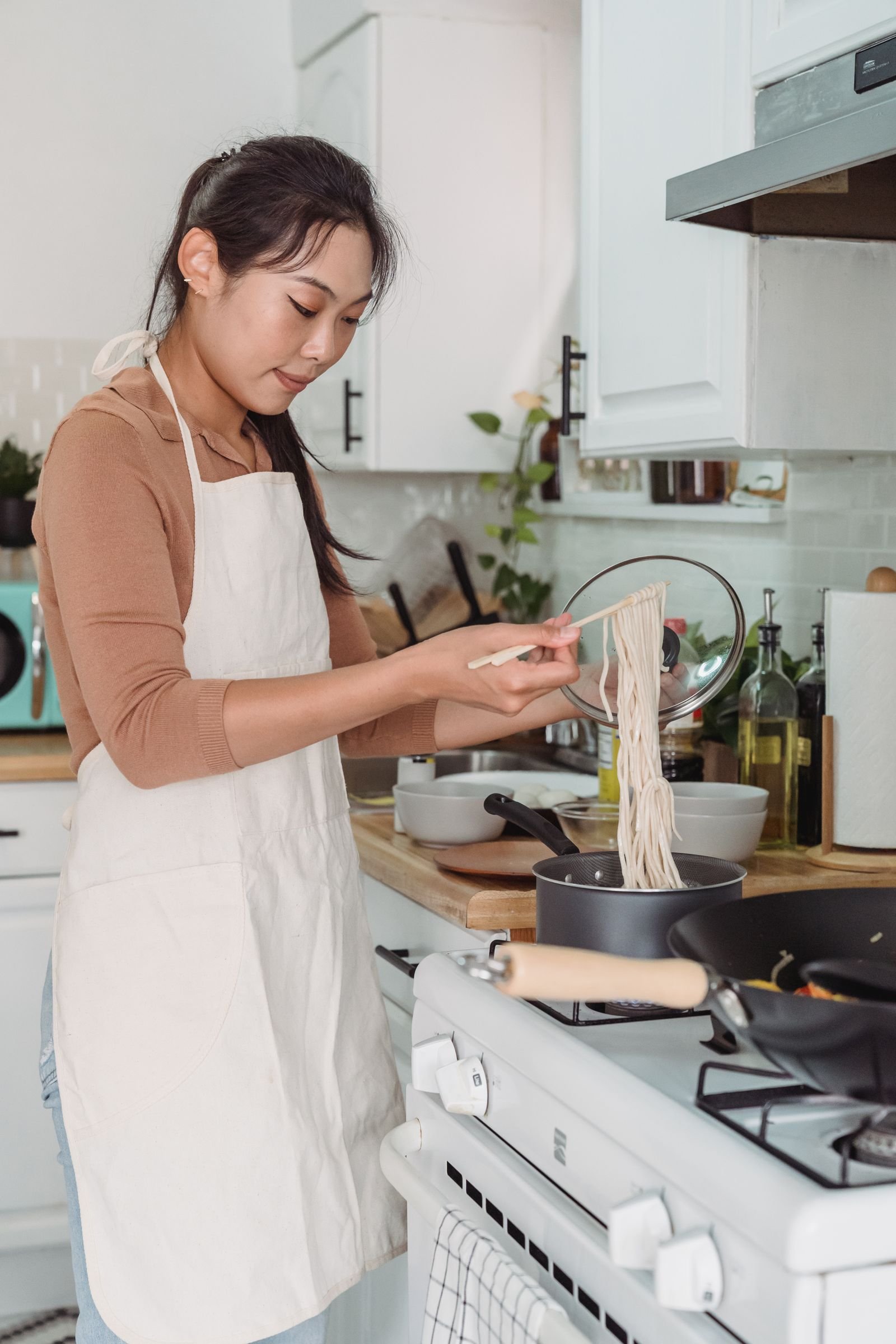
1. Keep One Board and One Bowl — Clear Between Steps
Give your tiny kitchen one rule: only one cutting board and one bowl ever land on the counter. Every job — chopping, slicing, mixing — goes through that pair, and you rinse or wipe them before the next task. That discipline keeps a small counter feeling like a workspace, not a disaster zone.
Clearing between steps forces you to finish one job before the next, so nothing piles up — and you always know where things are. In a small kitchen, a clear counter is half the battle won.
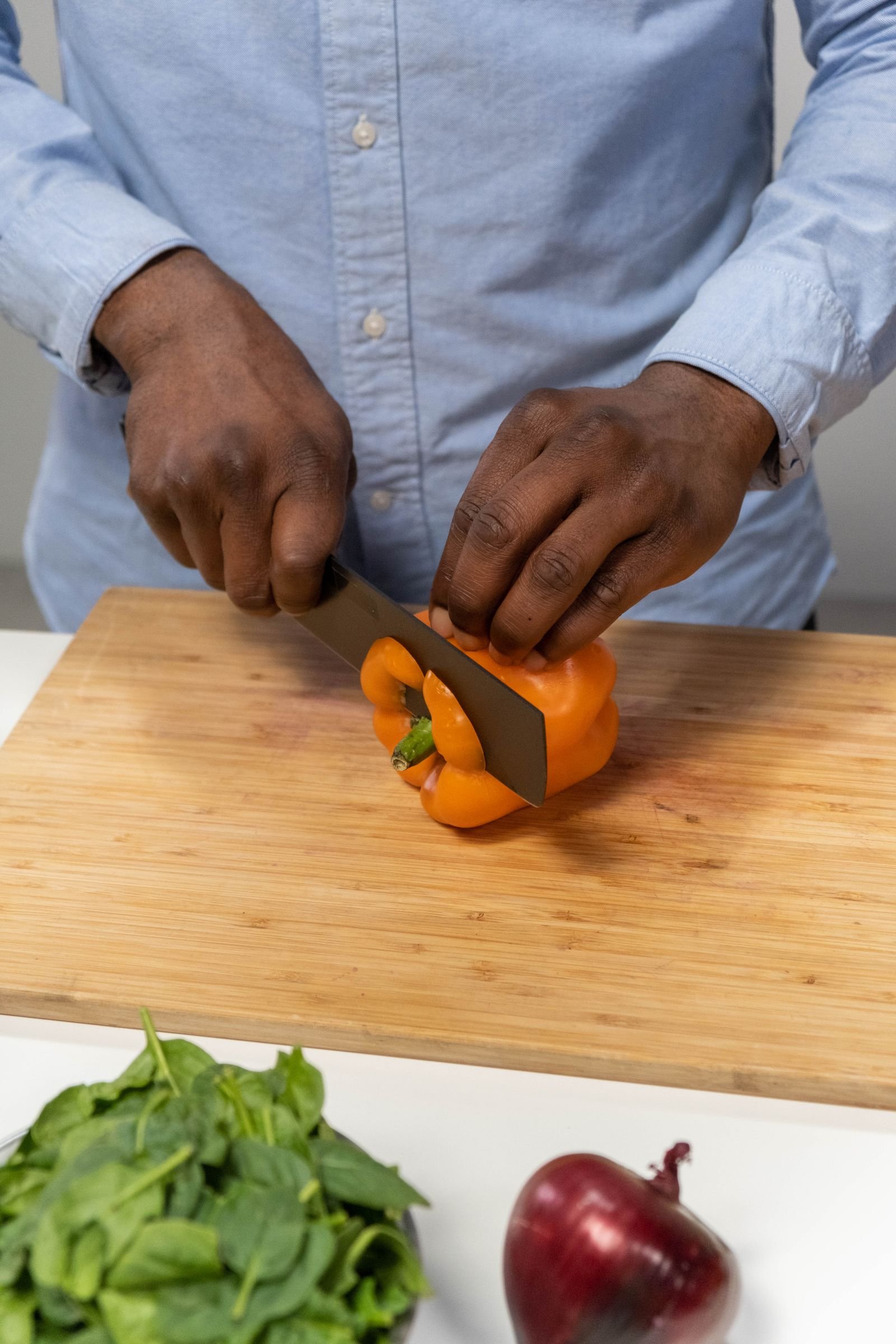
2. Prep Everything Before the Hob Goes On
Chefs call it mise en place — “everything in its place” — and in a tiny kitchen it’s not fancy, it’s survival. Chop every vegetable, measure every spice, mince the garlic, and line the little bowls up before a single flame flickers on. Once the pan is hot, there’s no time to chop and nowhere to chop anyway.
This habit takes the panic out of small-kitchen cooking: nothing waits while you search for an ingredient, and the counter stays uncrowded mid-rush. Ten calm minutes of prep buys a completely calm dinner — frantic traded for peaceful, every time.

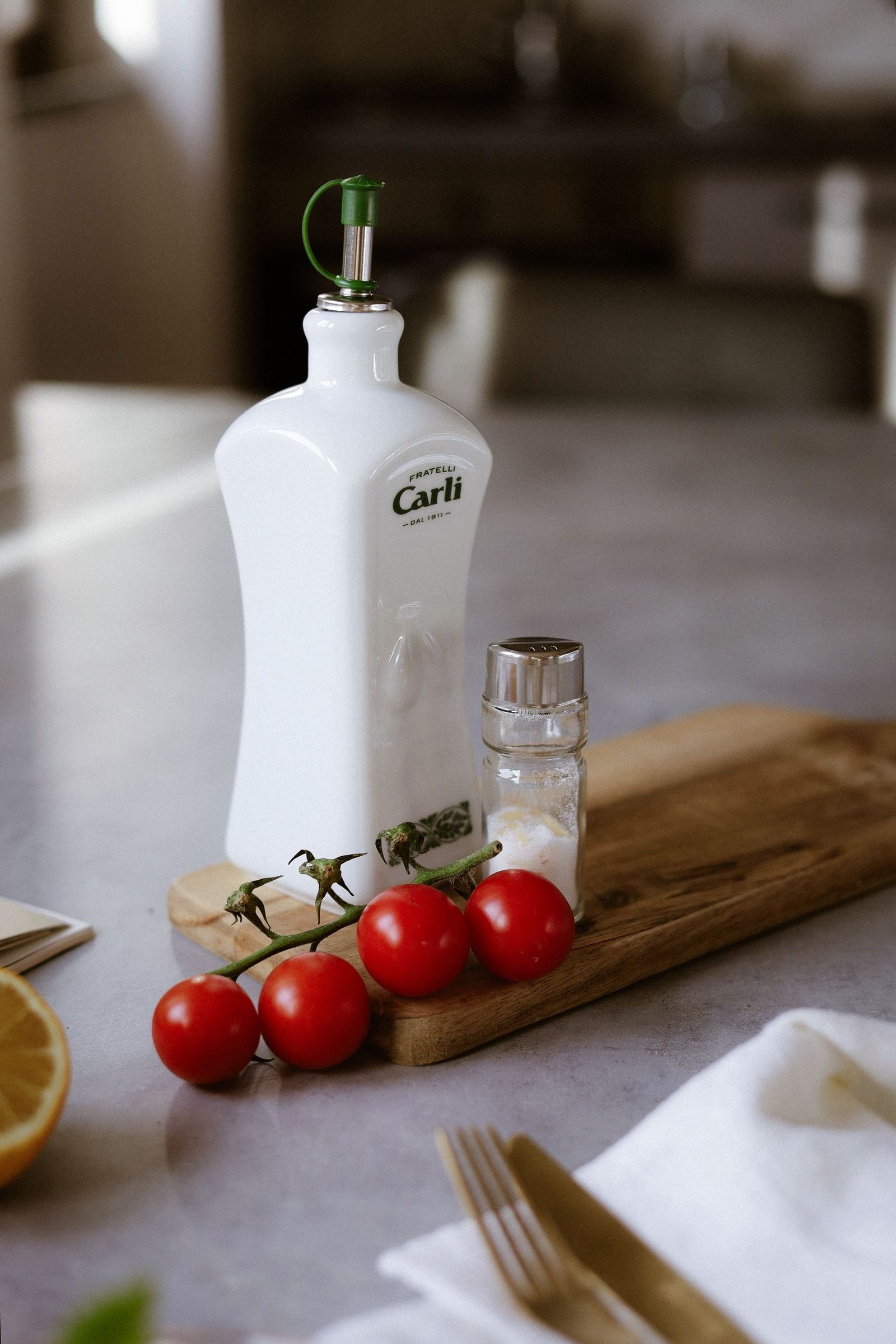
3. Keep Salt, Oil and Tools Within One Arm’s Reach
In a small kitchen, your most-used items should live where your hand lands without stepping anywhere: salt, oil, the spatula, the wooden spoon. Line them up along the back of the counter or in a small tray beside the hob, so seasoning and flipping happen with a wrist flick.
Every unnecessary step in a tiny kitchen costs you calm. When oil sits next to the pan, you drizzle instead of dripping across the room; when salt is by the hob, you season on time. One arm’s reach is your whole “kitchen triangle” in miniature — arrange it once, cook easier forever.
4. Use a Tray as a Portable Prep Station
A sturdy tray or sheet pan is a secret extra counter that moves. Load it with your chopped ingredients, spices and little bowls, then carry the whole thing to the hob, park it beside the pan, and cook from it. When dinner’s done, the tray lifts the whole operation away in one trip.
This is perfect for renters and tiny kitchens because it asks for zero new furniture. The tray catches drips and stray crumbs while you carry things, so floors stay clean. Think of it as a portable island: pull it out when you cook, tuck it away when you don’t.
5. Cook in Order — Longest Item First
A small hob can only do so much at once, so cook in order: start the item that takes longest first. If rice needs twenty minutes and the veg needs five, the rice goes on first, no debate. Stagger everything like little trains arriving at one station — dinner all lands at the same time.
This ordering habit stops the classic tiny-kitchen pile-up of cold sides and reheated mains. While the long-cook item bubbles away, you get calm counter time for the quick ones. Sequence, not speed, is the real skill of small-kitchen cooking.

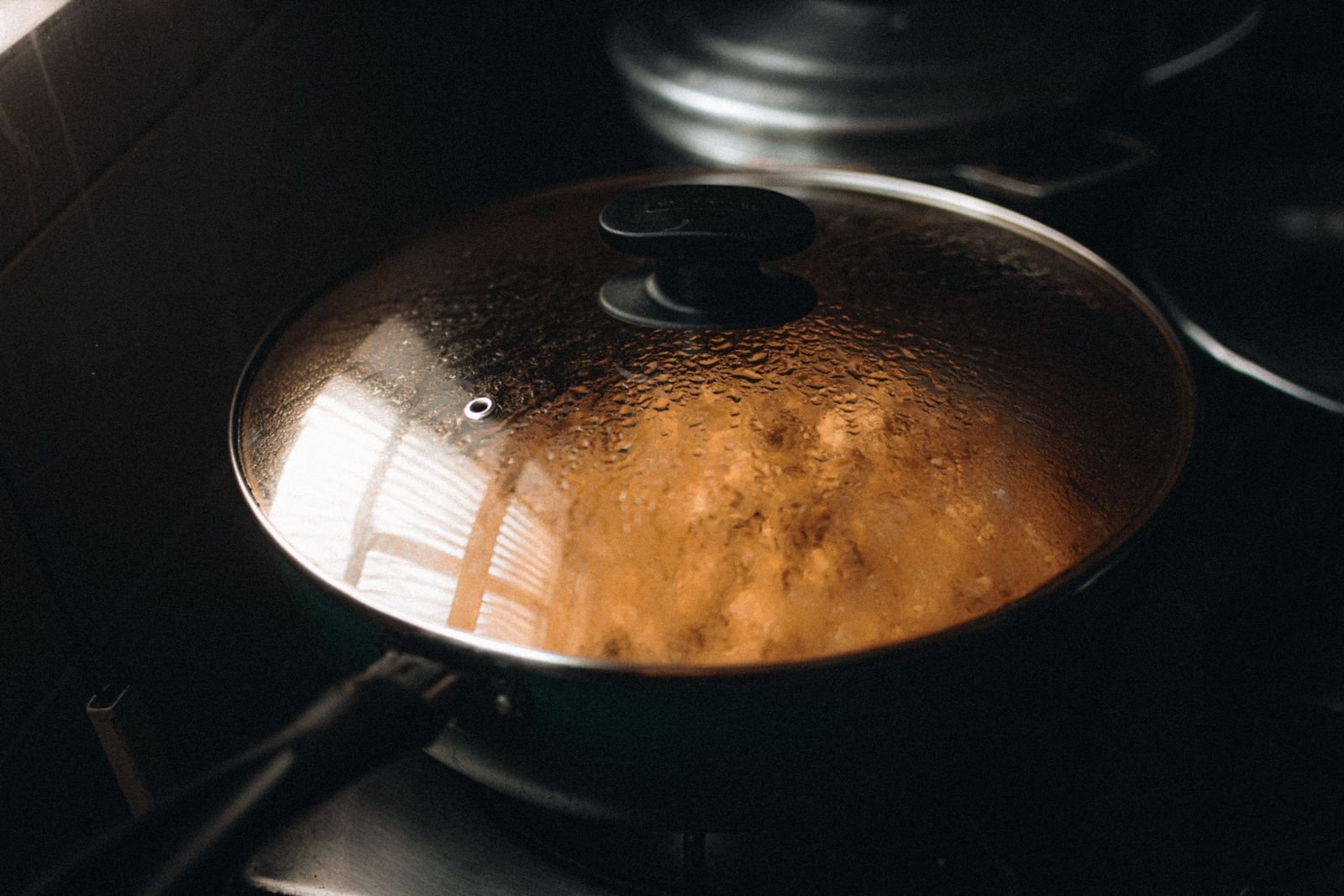
6. Keep the Lids On to Cut Steam and Splatter
In a tiny kitchen, a simmering pot without a lid is a small weather event — steam fogs everything and splatter lands on every surface. Keep lids on while things cook and you cut both mess and cooking time at once, since covered food cooks faster with the heat trapped inside.
Make it a habit: the lid goes back on the moment you’ve stirred. A tiny kitchen has no spare surfaces to wipe, so every splatter you prevent is one less job later. Lids also mean calmer, more even heat — your food thanks you, and the kitchen stays fresh instead of foggy.
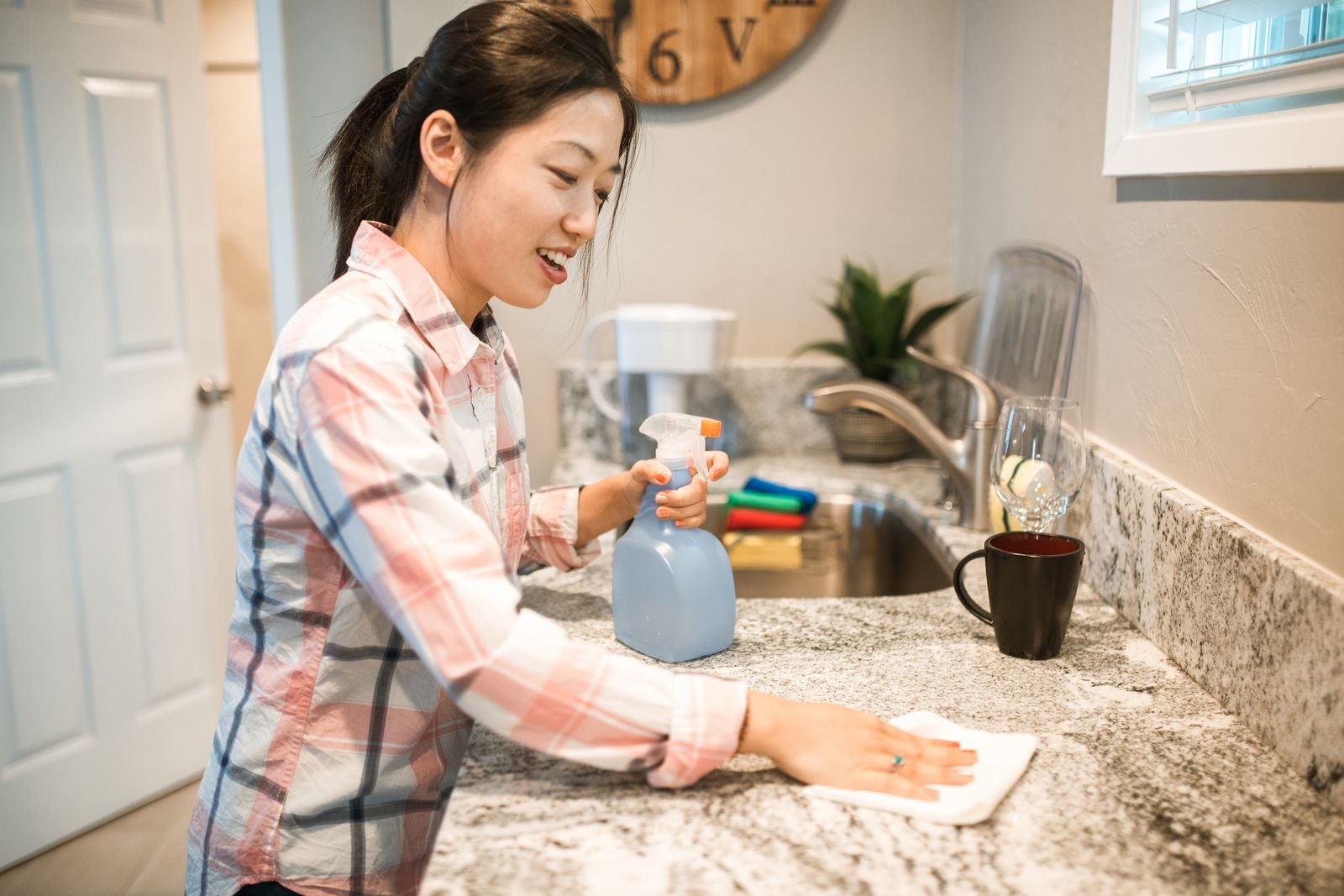
7. Wipe Drips at Once With One Damp Cloth
Keep one damp cloth folded by the sink — that’s your tiny-kitchen cleaning crew. The moment oil spits, sauce drips or water spots appear, wipe them while they’re fresh and easy. A two-second wipe now beats a ten-minute scrub once the drip has dried into the counter.
This rhythm keeps a small kitchen feeling cozy instead of grimy. On a tiny counter one drip is very visible — but one quick wipe makes the whole kitchen look cared for. Fresh drips come off in one pass; dried ones don’t. Wipe at once, and the kitchen thanks you.
8. Plate Straight From Pan to Skip a Serving Stage
Why dirty a serving dish in a tiny kitchen? Take the pan to the table area — or the plate to the pan — and serve straight from the cookware. It’s one less big item to wash, one less thing crowding the counter, and the food arrives hotter and fresher.
Plating straight from the pan slows the meal down in a lovely way — dinner feels rustically cozy, like a little cottage kitchen. Use a trivet under the pan if the counter is delicate, and warm the plates on the still-warm hob while the food finishes.

9. Soak the Pan While You Eat
The golden tiny-kitchen closing move: the second the pan is empty, fill it with hot water and a drop of soap, and leave it to soak while you eat. No scrubbing, no elbow grease — just let the hot water work while dinner is warm in front of you.
When you return, the stuck-on food has softened into something that rinses off in seconds. In a small kitchen with a small sink this matters double, because a crusted pan hogs the whole sink and kills your motivation. Soak first, eat in peace, wash in a minute.

10. Do a Nightly 5-Minute Reset So the Kitchen Wakes Up Clear
End every evening with a five-minute reset: soak or wash what’s left, wipe the counter, and put the board and bowl back in their home. Set a timer if you like — five minutes is genuinely enough when the mess was managed all evening. The kitchen should end the day as it started: clear and calm.
There’s something deeply cozy about waking up to a clean tiny kitchen — no guilt waiting on the counter, no crumbs for the morning. This habit ties all the others together: a kitchen that resets nightly never spirals into mess.
Frequently Asked Questions
What is the best first habit for a tiny kitchen?
Prep everything before the hob goes on, so cooking stays calm and uncluttered.
How do I avoid mess on a small counter?
Keep one board and one bowl in use, clear between steps and wipe drips at once.
Can I cook a full meal on a small hob?
Yes, cook in order, longest item first, and plate straight from the pan.
What helps with steam and splatter?
Keep lids on after stirring and soak the pan while you eat.
How do I reset a tiny kitchen each night?
Wash or soak what is left, wipe the counter and put tools away in five minutes.
Final Thoughts
Small-kitchen cooking isn’t about compromise — it’s about rhythm. Prep before the hob goes on, keep one board and one bowl in play, keep salt and oil close, wipe as you go, and reset the kitchen every night. String these habits together and your tiny kitchen stops feeling cramped and starts feeling like the coziest room in the house. For more small-kitchen ideas, see Cozy Small Kitchen Baking Ideas For Tiny Spaces, Small Kitchen Pantry Ideas Without A Pantry Room and Cozy Small Kitchen Breakfast Ideas To Start Calm. Save this post on Pinterest so you can find these cooking ideas again, and read Small Kitchen Pantry Ideas Without A Pantry Room next for more cozy small-kitchen organization.




One Comment