
Small Bedroom Sleep Ideas That Bring Deeper Rest
A small bedroom can be the best room in the house for sleep, precisely because it is small. There is less space for clutter to gather, fewer corners for noise to hide in, and one bed that fills the room in a way that feels like a nest rather than a showroom. The trick is to treat sleep as the room’s first job and everything else as a guest.
These ten ideas cost little, need no drilling or renovation, and work in rented rooms. Each one removes a small friction that keeps you awake, so that by bedtime the room is already doing half the work for you.
Key Takeaways
- Treat sleep first.
- Block light without drilling.
- Keep the room cool with one light blanket.
- Charge the phone out of reach at night.
- Start with morning light before the phone.
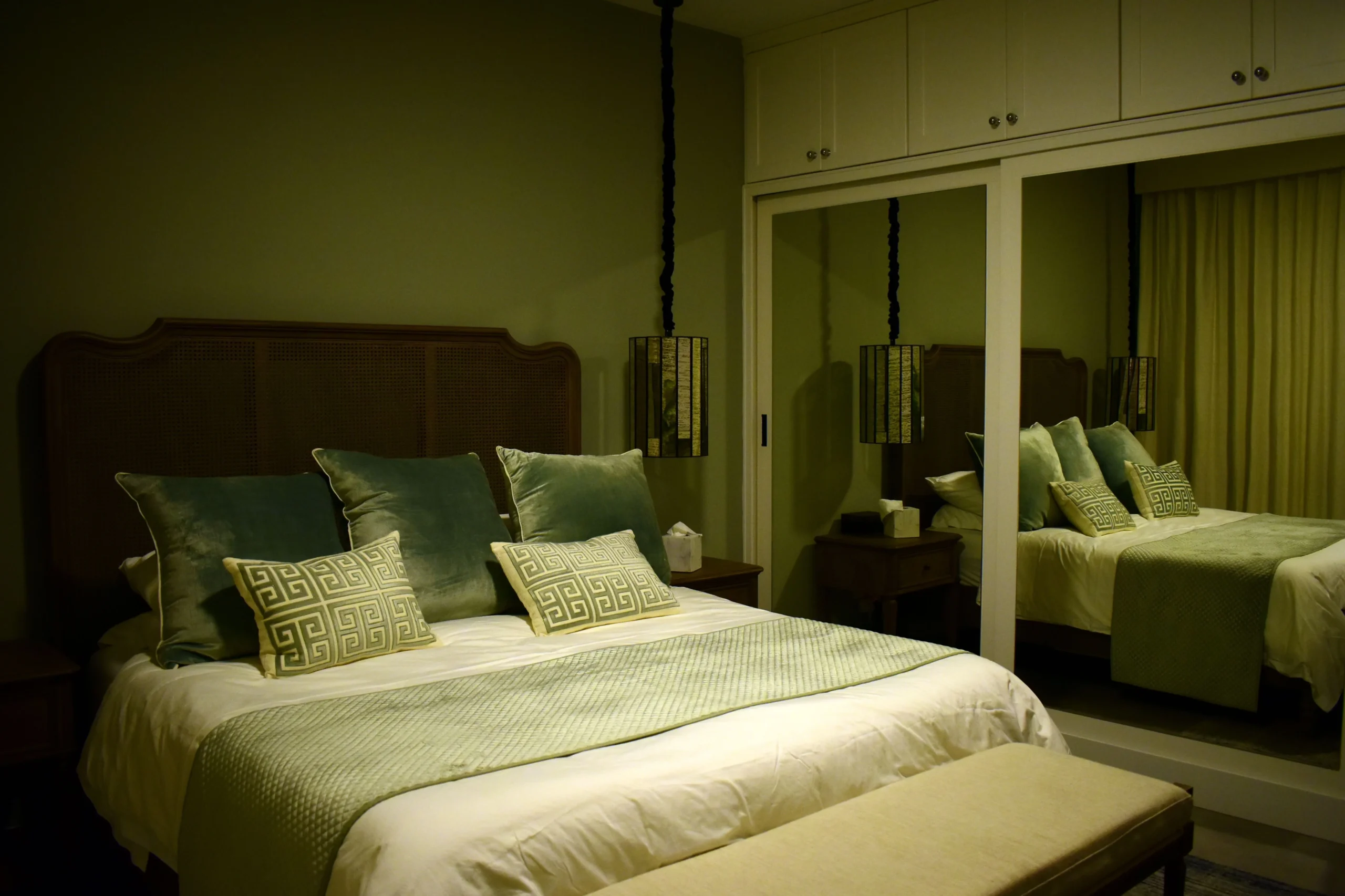
1. Blackout Without Drilling
A tension rod inside the window frame holds a dark curtain with no holes, no landlord permission, and no damage to argue about at move-out time. Choose a curtain that is a little wider than the window so light cannot sneak around the edges, and let it fall all the way to the sill. The difference on the first night is usually obvious: the room goes properly dark, and your body gets the signal it has been waiting for.
If a curtain still leaves gaps, or if you travel and want the same darkness anywhere, add a sleep mask that lives on the pillow. Keeping it in one fixed spot matters more than it sounds. A mask buried in a drawer at midnight is a mask you will not bother to find, while one folded on the pillow becomes part of the bedtime routine without any thought at all.

2. Cool The Room Before Bed
Most people sleep better in a cool room than a warm one, and a small bedroom makes this easy because there is so little air to change. Crack the window an hour before bed, even just a finger’s width, and let the evening air do its work. If outside noise is a problem, open it for twenty minutes and close it again before you get into bed.
Swap three heavy layers for one light blanket. A small bed buried under a mountain of bedding traps heat through the night, and you wake up kicking covers off at 3am. One light blanket, with a spare folded at the foot of the bed, lets you adjust in seconds instead of waking fully. Cool, dark, and lightly covered is the combination that works for most sleepers.

3. One Charging Spot Outside Arm’s Reach
The phone is the biggest sleep thief in the modern bedroom, and willpower alone rarely beats it. Give the charger a fixed home that is not the bedside table: a small tray on the dresser, a shelf by the door, or the top of a wardrobe unit. Plug the phone in there when the wind-down starts, and it stops glowing at 1am because it simply is not within reach.
This also fixes the morning. When the alarm goes off across the room, you have to stand up to silence it, and standing up is half the battle against snoozing. One charging spot outside arm’s reach is a tiny change of furniture that pays for itself every single night.

4. A Wind-Down Order, Same Every Night
The brain loves a sequence it can recognise. Pick three steps and do them in the same order every night: a warm shower, ten minutes with a book, lights out. It does not matter much which steps you choose, as long as they are the same and they are calm. After a week or two, step one starts to make you drowsy on its own.
Keep the order short enough that you will actually do it on tired nights. A five-step ritual with candles and tea sounds lovely and lasts about three days. Shower, book, lights out takes twenty minutes, needs nothing special, and survives bad days, late nights, and guests. Consistency beats ceremony every time.

5. Earplugs And White Noise For Thin Walls
Small rooms in shared buildings come with thin walls, and thin walls come with neighbours. Keep earplugs and a white noise source in one bedside spot, not scattered across drawers. A small dish or tray on the nightstand works: earplugs in, phone or speaker set to a steady fan or rain sound, and the neighbour’s television becomes background instead of a plot you cannot stop following.
White noise is especially useful because it masks the sudden sounds that wake you, like a door closing or a footstep, rather than just lowering the overall volume. Set it at a low, steady level, the same every night, so it becomes part of the room’s background rather than something you notice. Combined with earplugs on the noisiest nights, it turns a thin-walled room into a quiet one.

6. Keep Work Stuff Out Of Sight At Night
A desk covered in papers and a laptop glowing on standby tells your brain that the workday is still happening. Close the desk, shut the laptop, and put work papers in one drawer or tray before the wind-down starts. Out of sight really does mean out of mind when the room is small, because there is nowhere else for your eyes to go.
If the desk cannot be closed, drape a simple cloth over it at night. It sounds old-fashioned, but it works: the work zone disappears, the room looks like a bedroom again, and the boundary between work and rest becomes something you can see. Morning-you can lift the cloth and start again, but night-you gets a room that is only for rest.

7. One Scent For Sleep Only
Smell is the sense most strongly tied to memory, so give sleep its own scent and use it for nothing else. A lavender pillow spray, a cedar sachet in the pillowcase, or a dab of a calm balm on your wrists, used only at bedtime, trains the brain fast. After a couple of weeks, that scent alone starts to signal that sleep is coming.
The key is exclusivity. If the same scent fills the room all day, it means nothing at night. Keep the sleep scent in the bedside drawer, use it only in the wind-down, and let it become a private cue that no daytime smell can dilute. One scent, one job, every night.

8. A Spare Blanket At The Foot Of The Bed
Waking up cold at 2am and hunting through a wardrobe for a blanket is a fully waking activity, and once you are fully awake, getting back to sleep takes much longer. Fold a spare blanket at the foot of the bed, every night, as part of making the bed in the morning. It is there before you need it, and reaching for it takes five seconds with your eyes half closed.
This is also a kindness to anyone sharing the bed, since one person feeling cold no longer means lights on and drawers opening. A folded blanket at the foot of the bed looks tidy during the day, costs nothing, and turns a midnight wake-up into a ten-second adjustment instead of a twenty-minute expedition.

9. Morning Light First, Before The Phone
How you wake up shapes how you sleep the next night. Open the curtains before you pick up the phone, and let daylight hit your eyes within the first few minutes of waking. Morning light resets the body clock more powerfully than any app, and it tells your brain that daytime has started, which in turn makes evening drowsiness arrive on time.
In a small bedroom this is easy, because the window is never far away. Make it the first physical act of the day: feet on the floor, curtains open, then phone. On dark winter mornings, switch on the brightest lamp you have for the same effect. Light first, screen second, every day, and the whole sleep cycle steadies itself.

10. If You Wake, No Clock-Watching
Waking in the night is normal, but watching the clock turns a brief wake-up into a maths problem: hours left, sleep lost, tomorrow ruined. Turn the clock to face the wall, or keep the alarm on the far side of the room where you cannot read it from the bed. Without a number to stare at, most night wakings pass in minutes instead of stretching into an hour.
If you are still awake after about twenty minutes, get up, sit in dim light with a dull book, and return only when you feel drowsy. Lying in bed worrying about not sleeping trains the bed to feel like a place of worry. A dark room, no clock, and a calm exit plan keep the bed as a place of rest, which is exactly what a small bedroom does best.

Frequently Asked Questions
How can I block light in a small bedroom without drilling?
Use a tension rod inside the window frame to hold a dark curtain, with no holes and no landlord permission needed. If light still comes through gaps, add a sleep mask. This approach also works for travel, so you can get the same darkness anywhere you sleep.
How do I keep a small bedroom cool at night?
Most people sleep better in a cool room, and a small bedroom makes this easy because the space is small. Swap three heavy layers for one light blanket, so the bed does not trap heat. Keep a spare blanket at the foot of the bed for cold nights.
What should I do with my phone at night?
Give the phone one charging spot far from the bed, because willpower alone rarely beats the phone at night. When the alarm goes off across the room, you have to stand up to silence it, which also helps the morning. Opening curtains before picking up the phone then sets up the next night.
How do I build a wind-down routine I will keep?
Pick three steps and do them in the same order every night, because the brain loves a sequence it can recognise. Keep the order short enough that you will actually do it on tired nights. A long ritual is less useful than a short order you repeat nightly.
What should I do if I wake up at night?
Waking in the night is normal, but do not watch the clock, because clock watching turns a brief wake up into a maths problem about hours left. If you are still awake after about twenty minutes, get up, sit in dim light with a dull book, and return to bed when sleepy.
Final Thoughts
Deeper rest in a small bedroom is not about buying a new bed or redecorating the whole room. It is about removing the small frictions, one by one: light at the edges, heat under heavy blankets, a phone within reach, work in sight, a clock glowing at 3am. Each of these ten ideas takes minutes to set up and costs almost nothing.
Start with the two that bother you most tonight, and add the rest over the next week. A small room that is dark, cool, quiet, and free of work is a room that does the sleeping for you. Make the bed, fold the spare blanket, open the curtains in the morning, and let the routine carry the rest.
Related reading: Small Bedroom Lighting Ideas For Soft Evenings, Small Bedroom Ideas For Couples Sharing Small Rooms, and Small Bedroom Desk Ideas For Work And Study Time.
Save this post on Pinterest and read Small Bedroom Lighting Ideas For Soft Evenings.



4 Comments