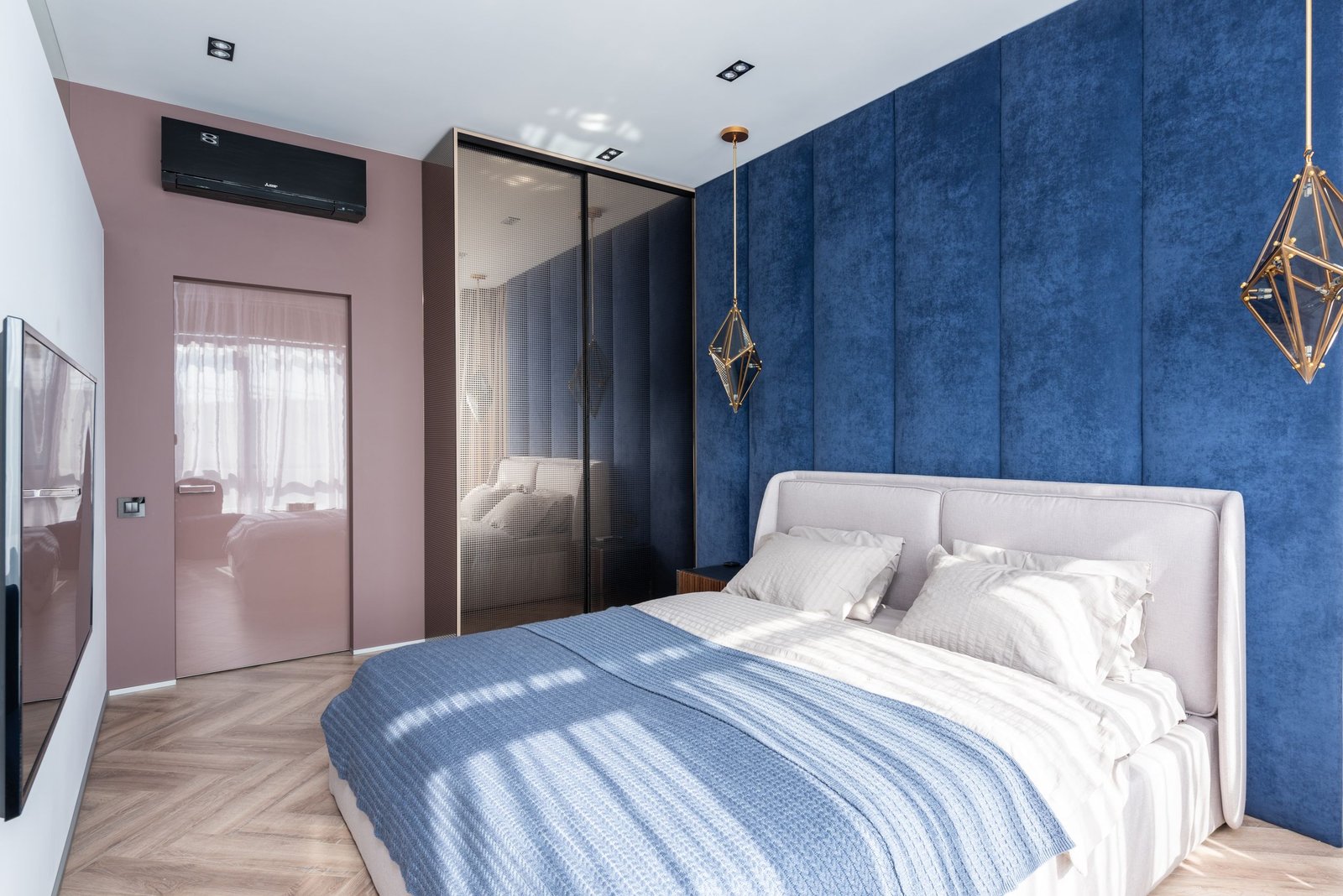
Small Bedroom Layout Ideas That Feel Much Bigger
A small bedroom feels cramped long before it actually runs out of room, and the layout is usually the reason. A bed that blocks the door, a bulky wardrobe in the sightline, or a dark corner that swallows the light can each make a tiny bedroom feel smaller than it is. The good news is that layout comes before decor, and small changes to how the room is arranged can change how big it feels.
Here are 10 small bedroom layout ideas that make a tiny bedroom feel much bigger, calmer, and easier to sleep in.
1. Put the Bed Against the Longest Wall
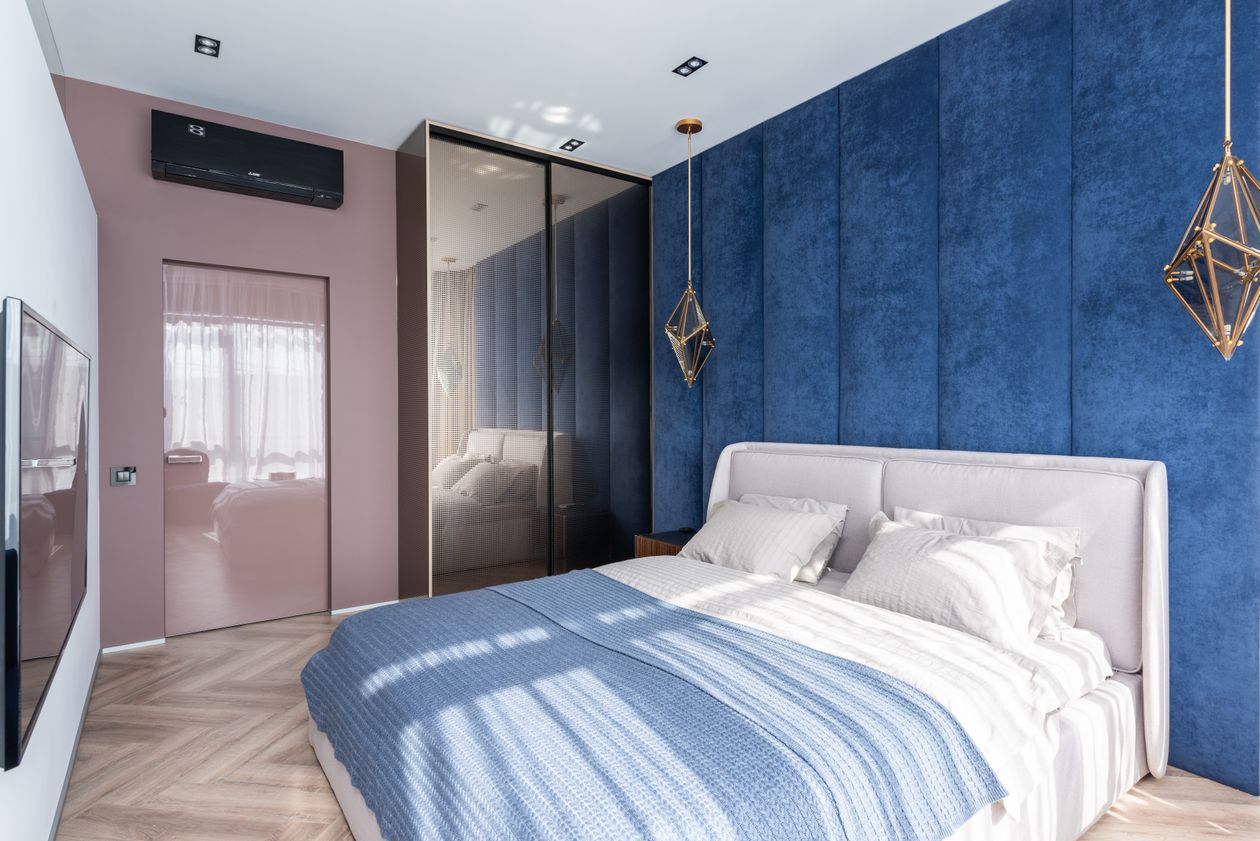
The bed is the biggest piece in the room, so its position decides everything else. Placing it against the longest wall, clear of the door swing, frees the rest of the floor for movement and storage. The bed feels settled rather than wedged in, and the room gains a clear shape instead of a blocked middle.
Check that the door opens fully without hitting the bed frame, and leave room to make the bed from at least one side. When the bed sits along the longest wall, the bedroom feels planned rather than squeezed.
2. Keep One Side Walkway Clear
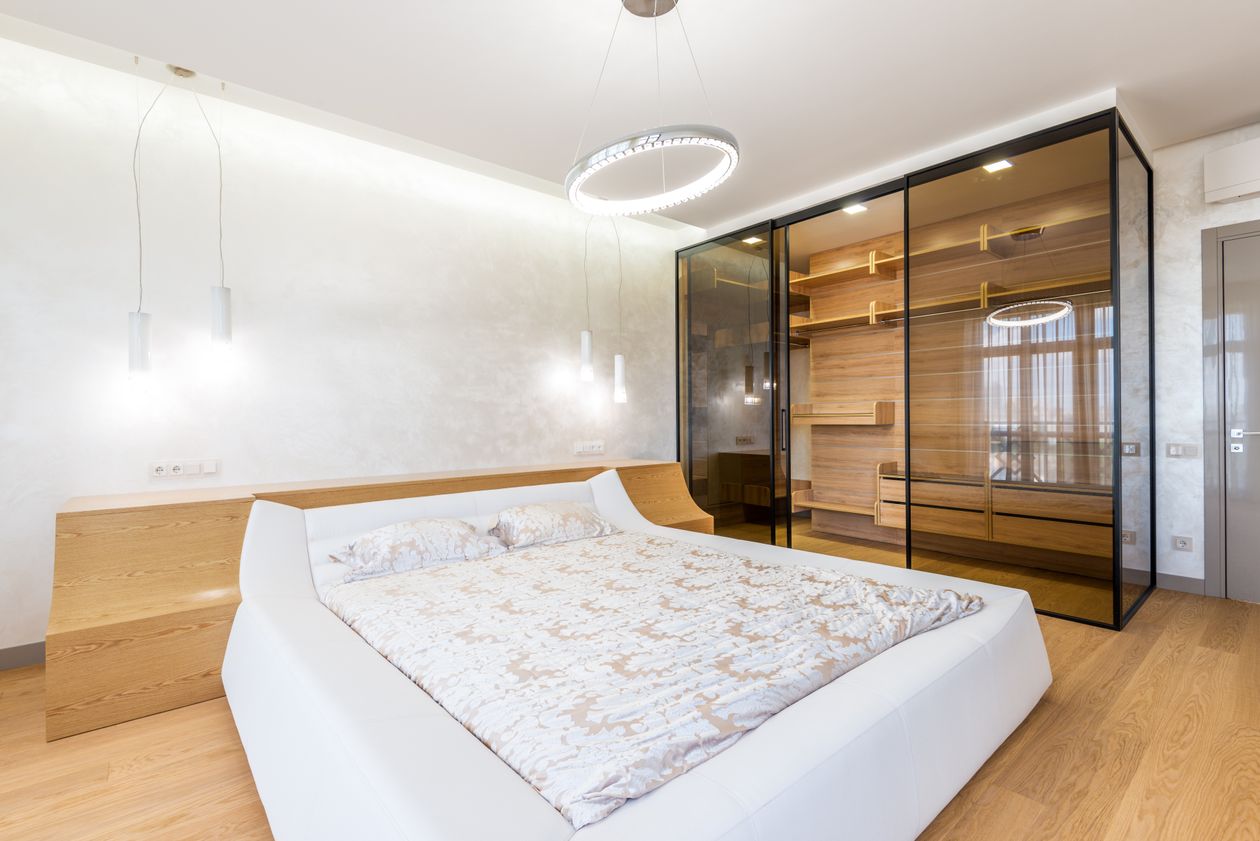
Every small bedroom needs one clear path from the door to the bed, and everything else should work around it. When the walkway is blocked by a laundry basket, a chair, or a box that sticks out too far, the whole room feels tight. Move those items to the wall beside the path, not across it.
Measure the walkway and aim for a comfortable width that lets you move without turning sideways. Keep the floor along the path completely clear, even if it means the basket lives in the hallway. When the walkway stays open, the bedroom feels larger the moment you step in.
3. Use a Mirror to Bounce the Light
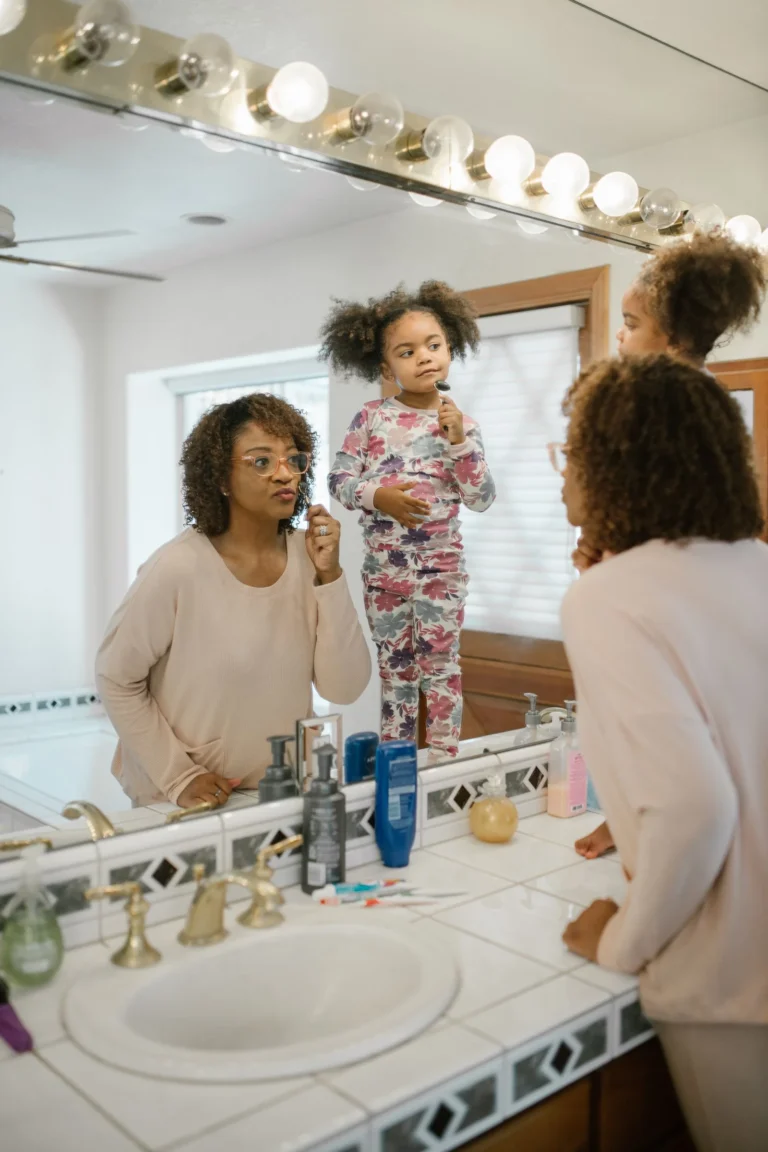
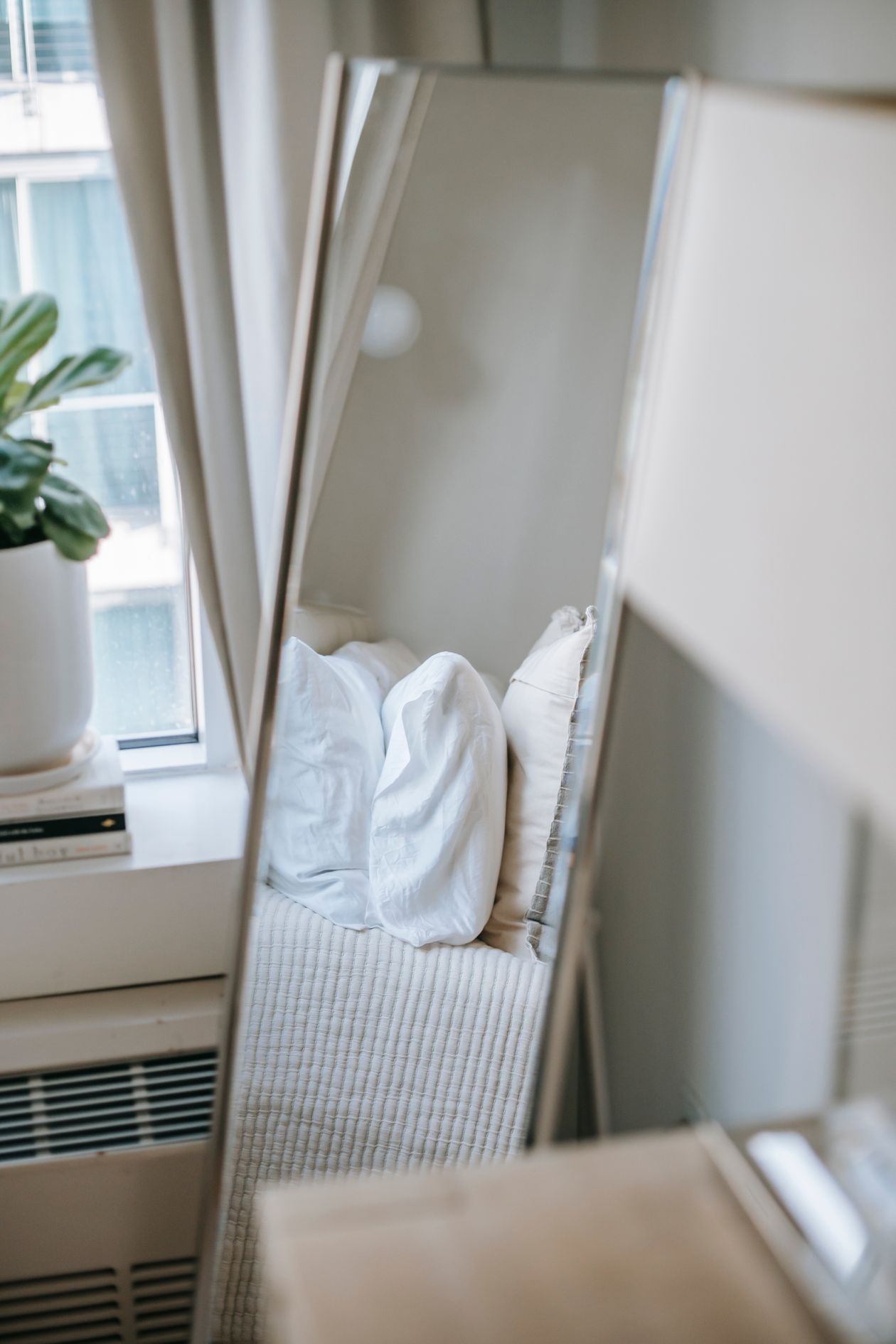
A large mirror is the simplest way to make a small bedroom feel bigger, because it doubles the light and the view. A mirror opposite or beside the window reflects the brightest part of the room back into it. The effect is strongest when the mirror faces the window or sits beside it.
Choose the largest mirror that fits the wall without crowding the bed. A leaning full-length mirror works well in a rental because it needs no fixing. When the mirror works well, the bedroom feels twice its size on a bright morning.
4. Keep the Walls Light
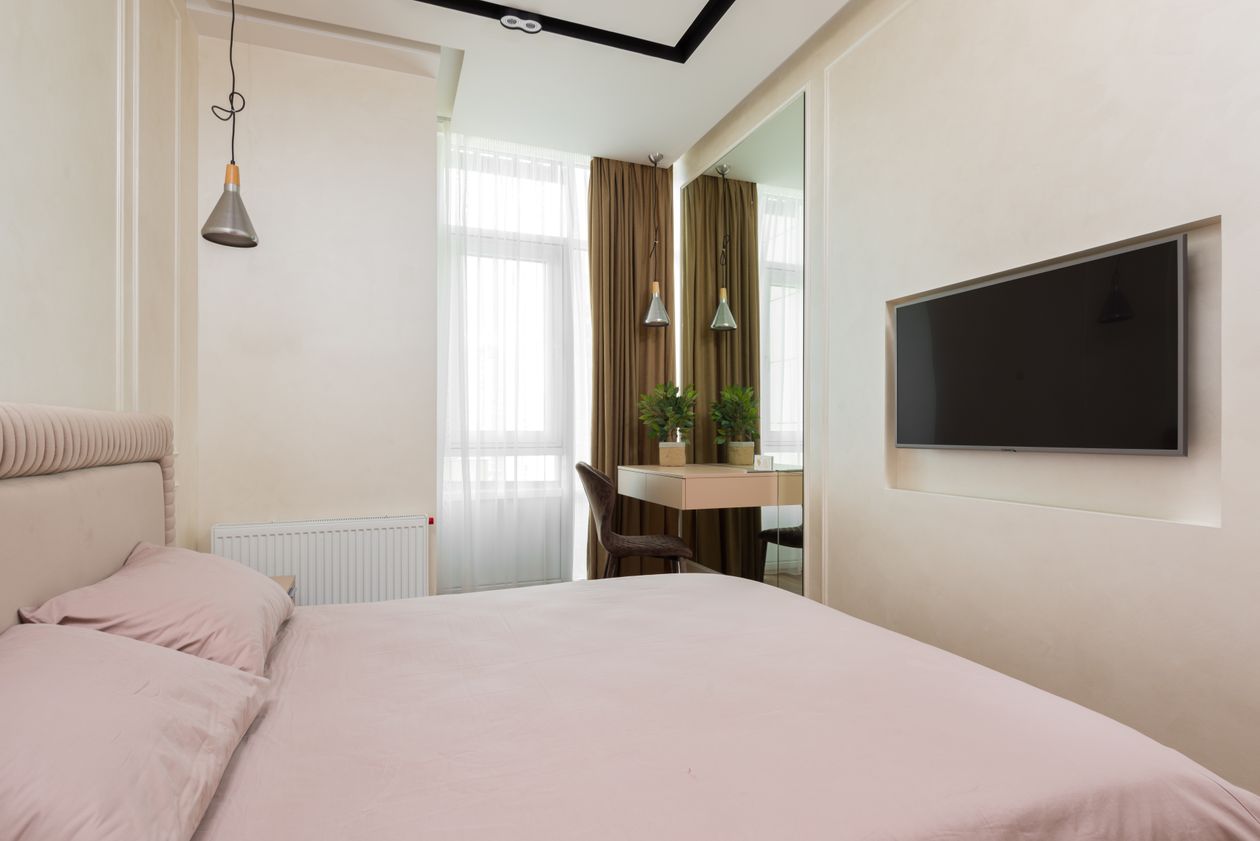
Light colours on the walls make a small bedroom feel open, because they reflect light instead of absorbing it. Soft white, pale grey, or a gentle warm cream all work well, and they make the room feel calm at the same time. Dark walls can look stylish, but in a tiny bedroom they close the space in.
Use the same light colour on all four walls so the room reads as one space rather than four small ones. Bedding in a matching light tone extends the effect. When the walls stay light, even a bedroom with one small window feels brighter.
5. Keep the Floor Visible
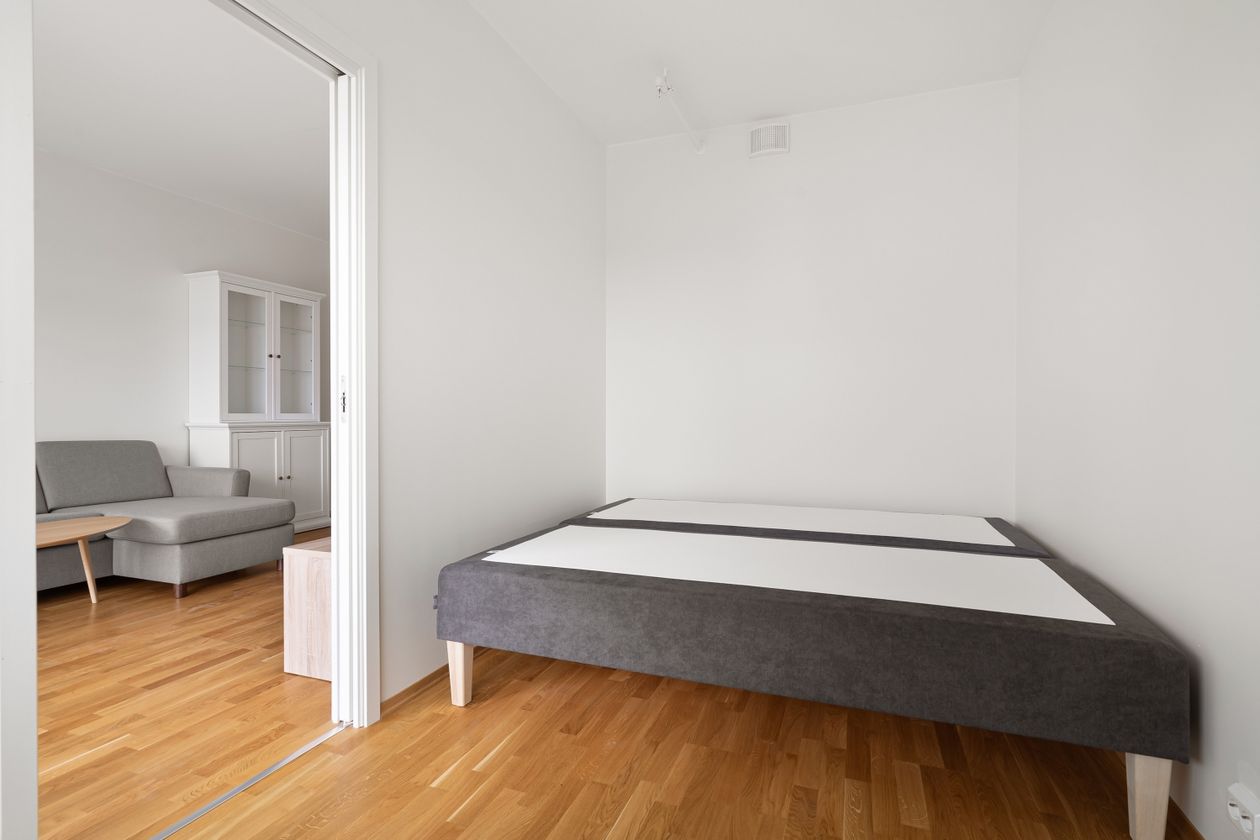
The more floor you can see, the bigger a small bedroom feels, so keep the floor as open as you can. A bed on legs, a floating shelf instead of a bookcase, and a nightstand that stands tall rather than wide all help the floor run in one unbroken line. Avoid rugs that cover large areas, and use one small rug beside the bed instead.
Choose floor-length curtains that stop just above the floor, so they do not pool and hide it. Keep shoes and bags off the floor and in their homes. When the floor stays visible, the room feels wider underfoot.
6. Give the Room One Focal Point
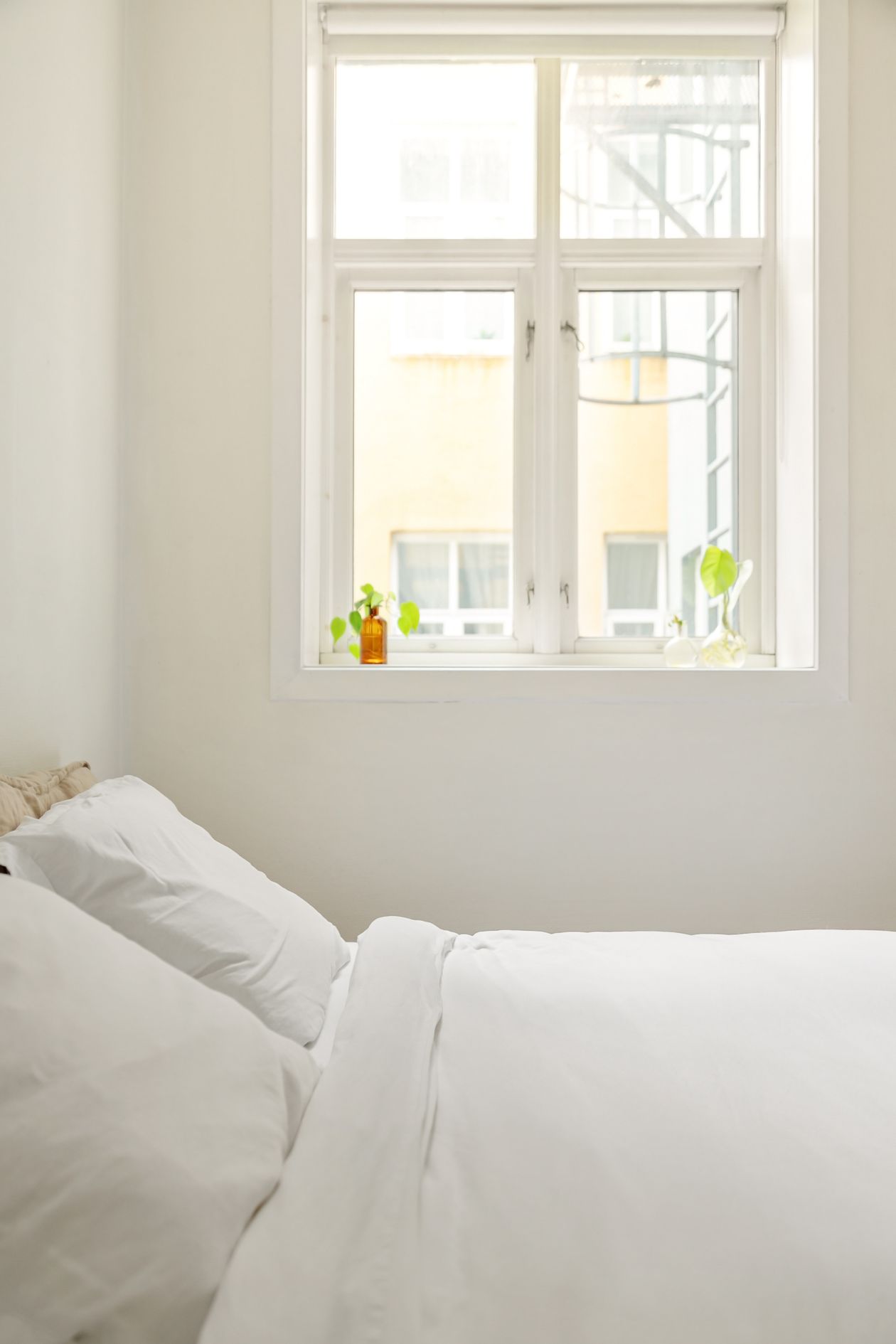
A small bedroom with too many features competing for attention feels busy and cramped. One focal point, such as the bed with calm bedding, a window with a view, or a simple headboard, gives the eye somewhere to rest and makes the room feel settled. Everything else should stay quiet and simple around it.
Pick the feature you love most and let it lead the room. Keep the other walls plain and the accessories few. When the room has one clear focal point, it feels designed rather than crowded.
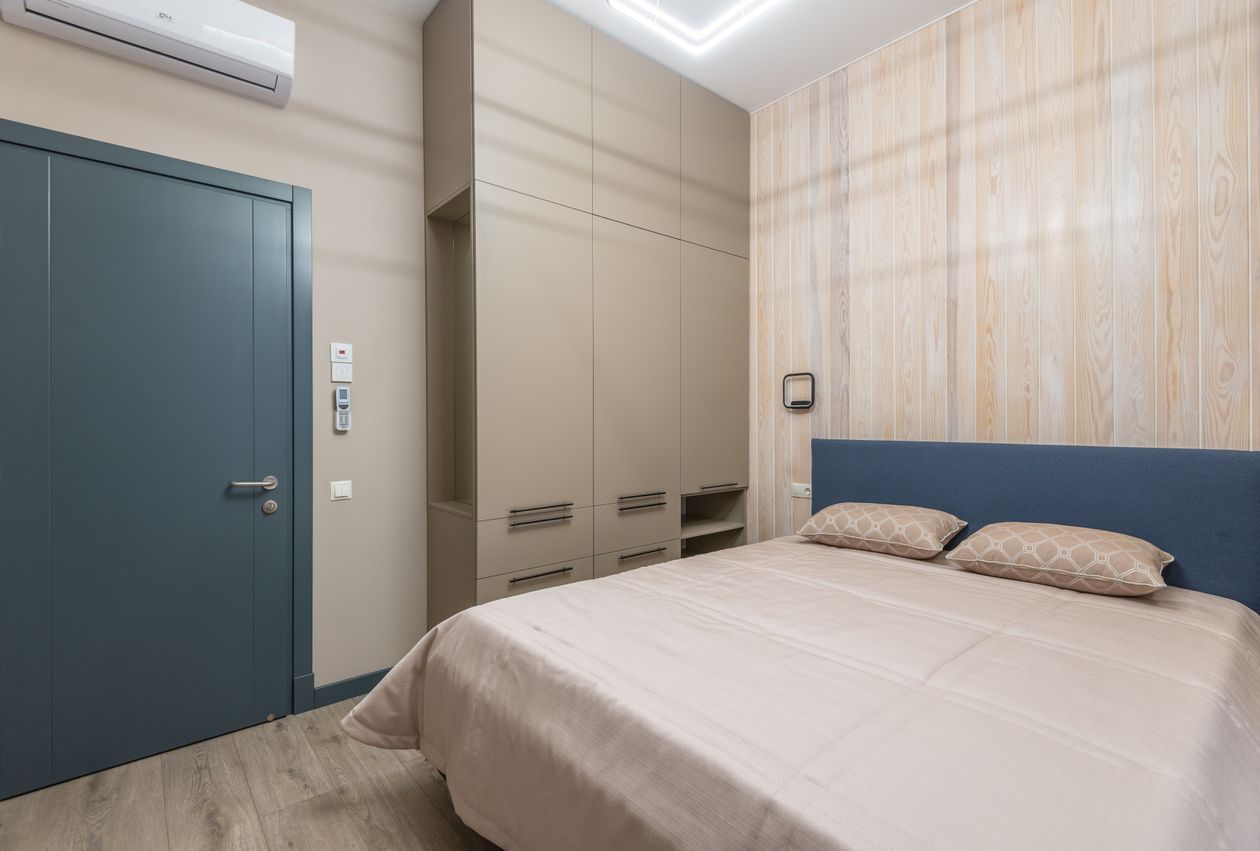
7. Move the Bulky Wardrobe Out of the Sightline
A tall wardrobe directly opposite the door is the first thing the eye meets, and it makes the room feel full before you step inside. Moving it to a side wall, or into an alcove if the room has one, keeps the view from the door open. The wardrobe holds just as much, but the room feels calmer.
If the wardrobe cannot move, keep its doors plain and its top clear so it reads as one quiet block. Avoid piling boxes on top, which makes it loom larger. When the sightline from the door stays open, the bedroom feels welcoming instead of walled in.
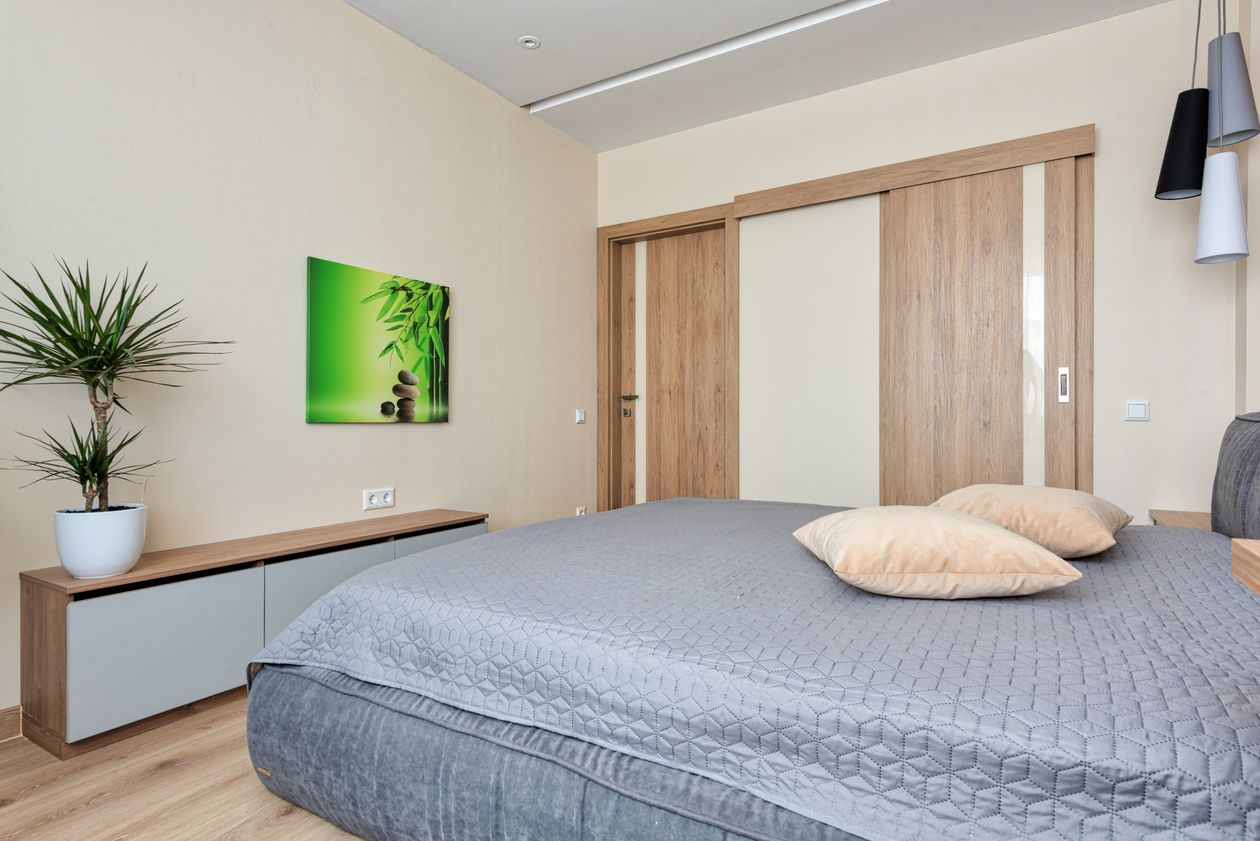
8. Think Pocket or Sliding Door
A standard door that swings inward steals a full square metre of usable space from a small bedroom, because nothing can stand in its swing. A pocket door that slides into the wall, or a sliding door on a rail, gives that space back. The bed, the wardrobe, or a storage bench can then sit where the door used to swing.
Sliding doors need a clear wall beside the opening, so check the wall is free before planning one. Renters can ask about a door that swings outward instead, which frees the same space. When the door stops eating floor space, the layout opens up at once.

9. Test the Layout With Tape Before Moving Furniture
Before dragging heavy furniture around, mark the bed and wardrobe footprints on the floor with painter’s tape. Walk the room, open the door, and reach for the light switch with the tape in place. The tape shows straight away whether a new arrangement will block the walkway or crowd the window.
Leave the tape down for a day and use the bedroom normally around it. Move the tape if something feels tight, and only move the real furniture once the layout feels easy. When the layout is tested first, the effort goes into an arrangement that truly fits.

10. Leave One Empty Corner
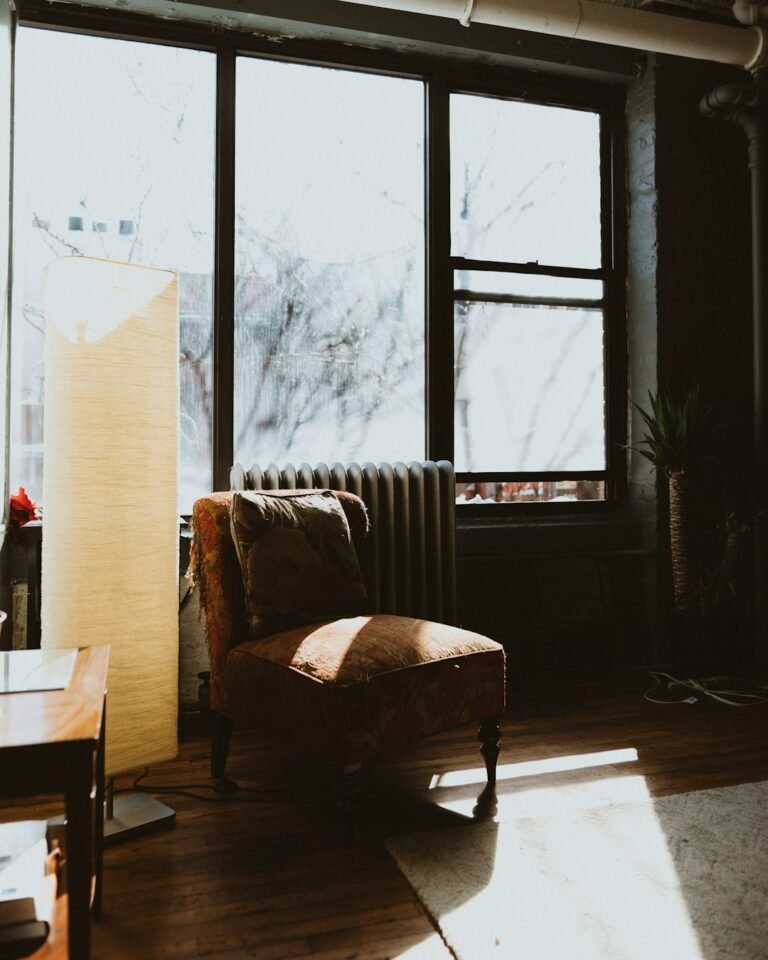
A small bedroom needs one empty corner, because a room with every centimetre filled feels airless. One clear corner gives the eye a place to rest, and it leaves room for the laundry basket, the suitcase, or the plant to live without crowding anything else. The corner can stay empty on purpose.
Resist the urge to fill it with a chair that becomes a clothes pile. If a corner must hold something, let it be one thing that earns its place. When one corner stays empty, the whole bedroom feels calmer and bigger.

Final Thoughts
A small bedroom feels bigger when the layout gives the eye a clear path, the floor stays visible, and nothing blocks the way. Start with the bed position and the mirror, then adjust the pieces that crowd the room. When the layout works, even the tiniest bedroom feels calm, open, and easy to sleep in.