Small Bedroom Wardrobe Ideas Without A Big Closet
No built-in closet is not a deal-breaker. In fact, a small bedroom without a closet forces a useful honesty: you can only keep what fits on one rail and in a few drawers, so everything you own has to earn its place. The result, done well, is a wardrobe that is easier to use than a big closet ever was, because you can see all of it at a glance.
These ten ideas build a complete wardrobe system for a small room, using a rail, a shelf, a drawer unit, and a few hooks. Nothing here needs drilling into walls you do not own, and nothing needs a renovation budget.
Key Takeaways
- Start with one open rail, not two.
- Use a one-in, one-out rule for everything new.
- Double-hang the rail to use the space below short items.
- Add one shelf above for out-of-season clothes.
- Let go of anything unworn for a year.
1. One Open Rail, Not Two
Start with a single open rail, not a sprawling rail system. One rail holds a realistic wardrobe for one person, and the limit is the point: what you see is what you wear, and nothing hides in a dark corner going unworn for years. A freestanding rail on wheels is ideal for a rented room, since it moves when you do and leaves no marks behind.
Place the rail against the longest clear wall, with enough space to walk past it without brushing sleeves. Keep the rail at a height where your longest item clears the floor by a finger’s width. One rail, well placed, looks intentional and tidy; two rails crammed into a small room look like a shop floor, and they eat the floor space you need for everything else.

2. A Capsule Rule: One In, One Out
A rail only stays tidy if something leaves every time something arrives. Adopt a one-in, one-out rule and make it automatic: the day a new shirt comes home, an old one goes into a donation bag. Keep the bag in one fixed spot, like the top of the drawer unit, so the rule takes ten seconds instead of becoming a weekend project.
This rule also changes how you shop, which is the real benefit. When every purchase costs you an existing item, you buy slower and choose better. Over a year, the wardrobe quietly improves: fewer impulse pieces, more favourites, and a rail that never overflows no matter how small the room is.
3. Double-Hang The Rail
A single rail wastes the space below short items. Double-hang it: put a second, lower rail or a hanging organiser beneath the main rail, and hang short items like shirts and folded trousers on top, with shorter pieces below. Long items like coats and dresses go on one side of the rail, where they can hang full-length without bunching.
The trick is to keep the split strict. Short on top, long on one side, nothing draped over the rail ends. When the system is visible at a glance, getting dressed takes less time, because you are choosing from an organised display instead of digging through a crowded rod. A small room rewards this kind of visible order more than a big room ever would.
4. One Shelf Above The Rail For Out-Of-Season
The space above a rail is usually wasted, and it is perfect for out-of-season clothes. Add one shelf above the rail, with a couple of labelled boxes: winter knits in summer, light linens in winter. Labels matter, because an unlabelled box becomes a mystery box that you avoid opening.
Keep the shelf to one level, not a tower of boxes. One shelf, two or three boxes, all labelled, all reachable with a small step stool. Out-of-season clothes stop competing for rail space, the rail breathes again, and the seasonal swap becomes a quick box exchange instead of a full wardrobe overhaul.

5. A Drawer Unit Under The Rail For Folded Knits
Folded knits, underwear, and soft items do not belong on a rail, and they do not need a separate dresser across the room. Slide a low drawer unit under the rail, where it uses the dead space below hanging clothes. Knits stay folded, dust-free, and close at hand, and the room keeps its floor space for walking.
Choose a unit that fits fully under the rail, with drawers that open without hitting hanging clothes. Three or four shallow drawers beat one deep drawer, because shallow drawers keep folded items visible instead of burying them. One drawer unit under the rail turns the rail into a complete wardrobe station in a single wall’s width.
6. Hooks For Tomorrow’s Outfit
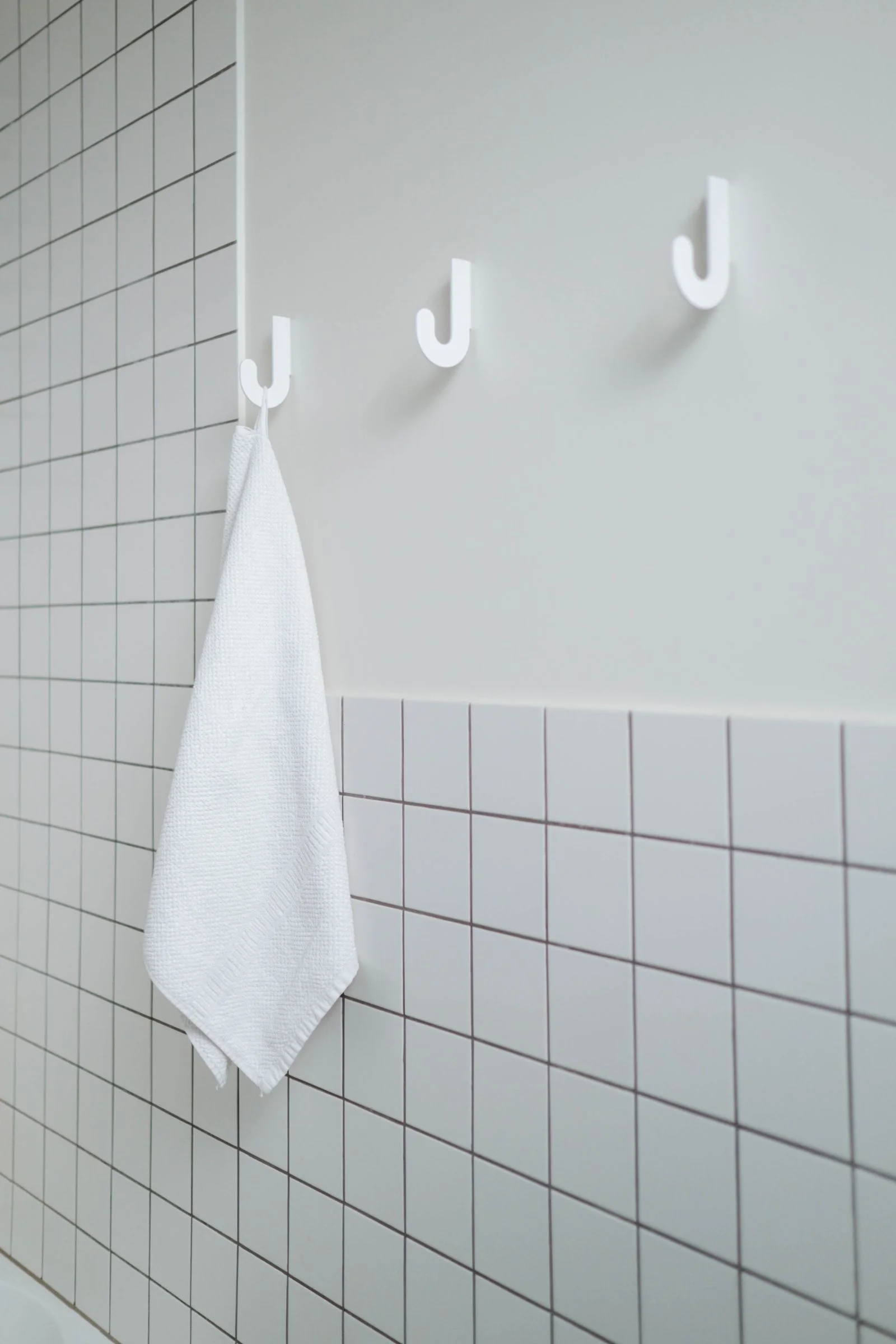
Decision fatigue in the morning is real, and it is worse when you are choosing from a full rail while half awake. Put one hook near the rail, or on the back of the door, and hang tomorrow’s outfit there the night before. One hook, one outfit, chosen when you are calm and thinking clearly.
This tiny habit also keeps the rail tidy, because the morning routine stops involving pulling five things off the rail and draping four of them over a chair. The chair stops being a second wardrobe, the outfit is ready, and mornings start ten minutes earlier without any extra effort. One hook is a small thing that fixes a surprisingly big daily friction.
7. A Curtain On The Rail Beats Doors In A Tight Room
Doors need swing space, and a small bedroom has none to spare. A curtain on the rail, hung from the same rod or a second tension rod, hides the wardrobe in seconds and opens without a single centimetre of clearance. Pull it closed when guests visit or when you want the room to look calm, and pull it open when you are choosing clothes.
Pick a curtain in a plain, calm colour that matches the bedding, so the wardrobe blends into the room instead of shouting about itself. A curtain also softens the look of an open rail, which can otherwise make a small room feel like a shop. Fabric beats doors here, on cost, space, and looks.
8. Shoes Live In One Box By The Door
Shoes scattered under the bed are the fastest way to make a small bedroom feel messy, and they gather dust where you sleep. Keep shoes in one box by the bedroom door, or just outside it if the hallway allows. One box, one pair in daily use, the rest stored away from the sleeping area.
This also protects the wardrobe rail, because shoes stop migrating onto the floor beneath hanging clothes, where they block the drawer unit and trip you in the dark. A single box by the door creates a clear boundary: shoes live at the threshold, clothes live on the rail, and the bedroom floor stays clear for walking, not storage.

9. A Seasonal Swap Twice A Year, Same Weekend, 30 Minutes
Twice a year, on the same weekend, spend thirty minutes swapping the rail and the shelf boxes: winter out, summer in, or the reverse. Put it in the calendar like an appointment, because a swap that waits for a free weekend never happens. Thirty minutes is genuinely enough when the system is already in place, since you are only exchanging boxes and rehanging a rail.
Use the swap as a natural clear-out moment too. Anything you did not wear in the season just ended goes into the donation bag before the new season’s clothes come down. Two swaps a year, thirty minutes each, and the wardrobe never drifts into chaos. It is the lowest-effort maintenance a small wardrobe can have.

10. If It Has Not Been Worn In A Year, It Leaves The Room
This is the rule that makes all the other rules work. If something has not been worn in a year, it does not live in a small bedroom anymore. It goes to donation, to a friend, or into long-term storage outside the room, but it does not stay on the rail taking up one of your limited hanging spots.
Be honest about the exceptions, because there are almost none: a formal outfit worn once a year for a real event can stay, but only if it has a real event attached to it. Everything else is a hope, not a plan, and hopes do not need rail space. A wardrobe that only holds clothes you actually wear is a wardrobe that makes every morning easier.
Frequently Asked Questions
What is the best wardrobe setup for a bedroom without a closet?
One open rail, one shelf above it, one drawer unit beneath it, a hook, a curtain, and a box by the door make the whole system. It fits on one wall, needs no drilling into walls you do not own, and needs no renovation budget.
How does the one-in, one-out rule work?
A rail only stays tidy if something leaves every time something arrives. When you buy a new item, an old one must go, by donation or removal. The rule also changes how you shop, because every purchase costs you an existing item, so you choose more carefully.
How do I double-hang a rail?
Put a second, lower rail or a hanging shelf below the short items, so the space beneath them is not wasted. Keep the split strict: short items on top, long items on one side, and nothing draped over the rail, so the lower level stays usable.
Where should out-of-season clothes and shoes go?
Put out-of-season clothes in labelled boxes on the one shelf above the rail, and keep the shelf to one level so it never becomes a tower. Keep shoes in one box by the door, so they stop migrating under the rail and making the room feel messy.
How do I keep the wardrobe tidy all year?
Hold the system together with two rules and one habit: one in, one out, and nothing unworn for a year. Swap the rail and shelf boxes twice a year, on the same weekend, for thirty minutes, and use the swap as a clear-out moment.
Final Thoughts
A small bedroom without a big closet is not a problem to solve with more furniture. It is a system to build with one rail, one shelf, one drawer unit, a hook, a curtain, and a box by the door, held together by two rules: one in, one out, and nothing unworn for a year. That is the whole system, and it fits on one wall.
Start with the rail and the hook this weekend. Add the shelf and drawer unit when you can, and let the seasonal swap keep it all honest twice a year. The reward is a room that feels bigger, mornings that feel calmer, and a wardrobe where everything you own is something you actually wear.
Related reading: Small Bedroom Sleep Ideas That Bring Deeper Rest, Small Bedroom Ideas For Couples Sharing Small Rooms, and Small Bedroom Desk Ideas For Work And Study Time.
Save this post on Pinterest and read Small Bedroom Sleep Ideas That Bring Deeper Rest.