Small Entryway Storage Ideas For Tiny Hallways
The hallway is the smallest room in the home and the busiest — it has to welcome you, swallow your clutter, and still leave room to walk through. In a tiny flat it often amounts to a few metres of corridor, and the difference between chaos and calm is rarely a renovation. It is a handful of smart, renter-friendly choices that give every item a home.
These ten ideas are built for narrow hallways and postage-stamp entries in rented homes. No drilling into walls you don’t own, no deep cabinets that steal the walkway — just slim furniture, hooks, trays and baskets that keep coats, keys, shoes and post exactly where they should be.
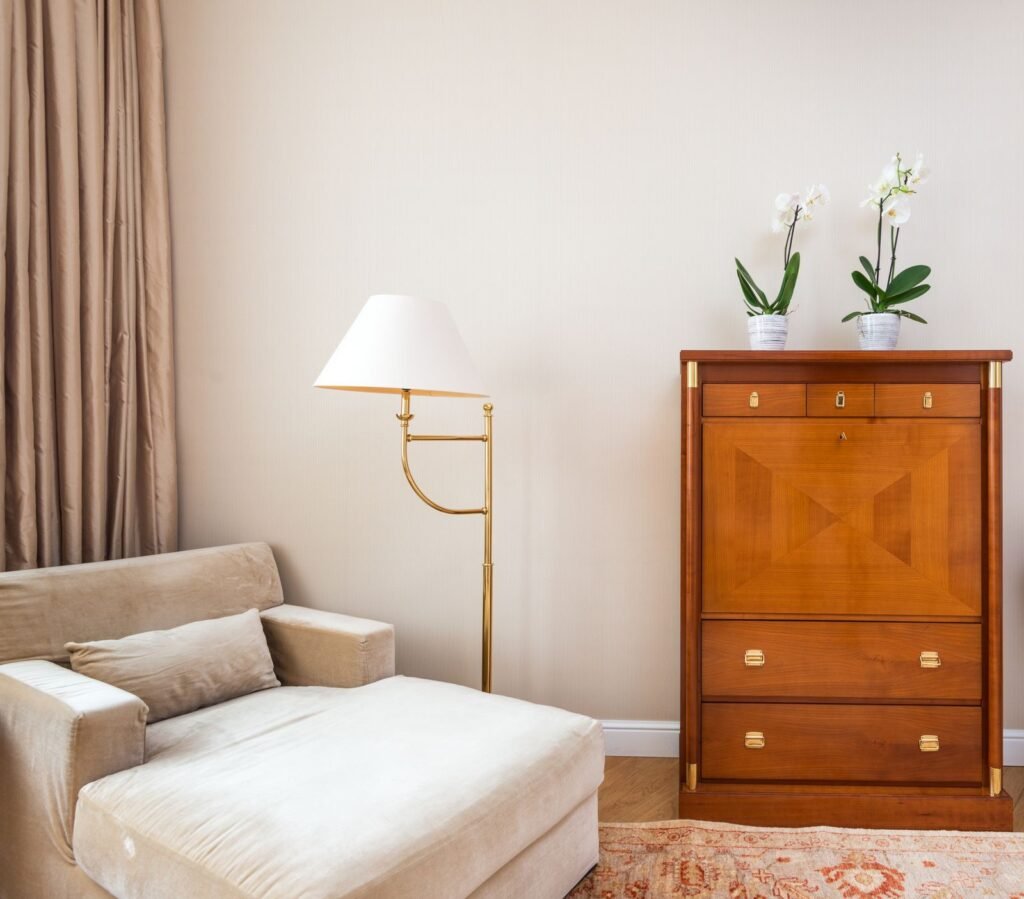
1. Pick a Slim Console, Never a Deep Cabinet
A standard console is 40–45 cm deep, which in a 90 cm hallway leaves you sidling past it sideways. A slim 25–30 cm console gives you a landing spot for keys and post while keeping the walkway clear. Look for one with a drawer or two — gloves, dog leads and spare batteries live inside it instead of piling up on the surface.
Measure before you buy: you want at least 75–80 cm of clear walkway left once the console is in place. Freestanding means zero fixing and zero damage to the landlord’s walls, so it moves with you when your tenancy ends.
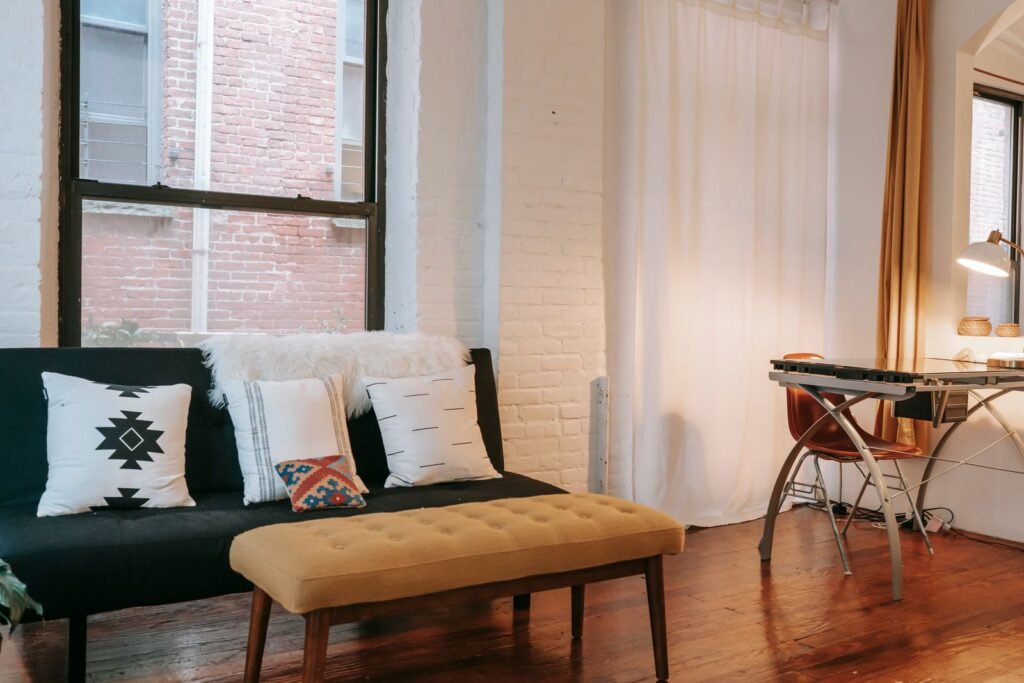
2. Hang Wall Hooks at Two Heights
One row of hooks at 170 cm works for coats, but bags, dog leads and key lanyards end up tangled beneath them. Two staggered rows — coats at 165–175 cm, everyday grab-items at 110–120 cm — give everything its own spot. A five-hook rail is usually plenty for one household.
Renter tip: a self-adhesive hook rail holds coats fine on smooth painted walls and peels off cleanly when you move. Put the lower row where little hands can reach — coats actually get hung up when the hook is at a child’s height.
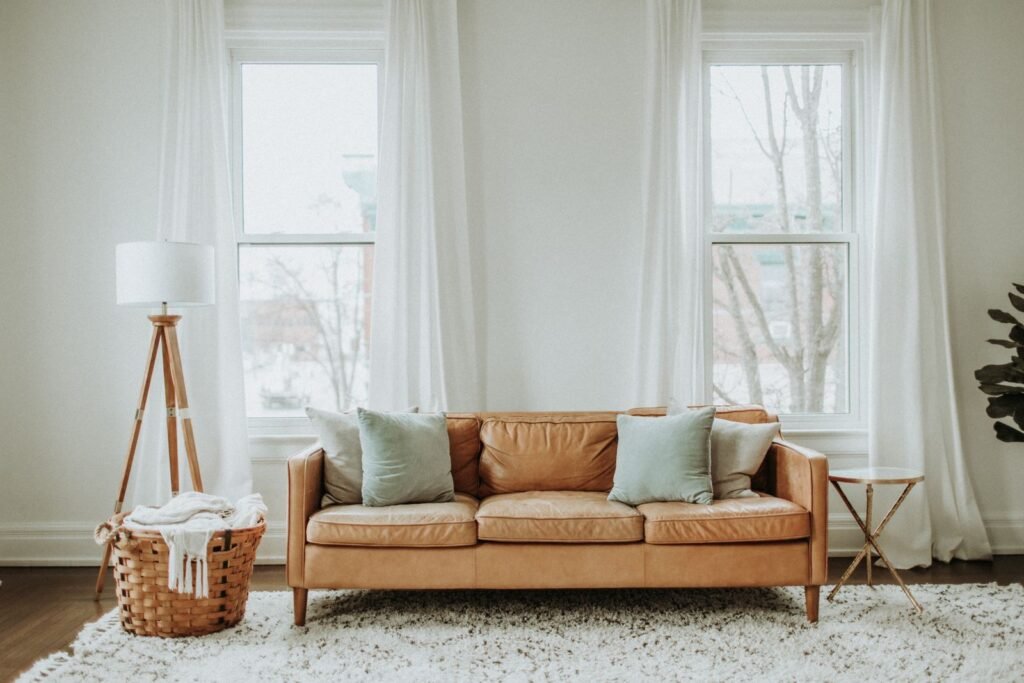
3. Set a Shoe Tray by the Door
Shoes multiply by the door like rabbits. A shallow tray — 60–70 cm long with low sides — defines exactly how much floor space shoes are allowed. Line them up toe-to-heel inside it, and anything that doesn’t fit gets stored in the bedroom or given away.
Keep the one-pair rule: one pair per person by the door, no exceptions. Off-season and rarely-worn pairs go in boxes on top of the wardrobe. A tray also catches rain, grit and salt, protecting wooden floors — and your deposit.
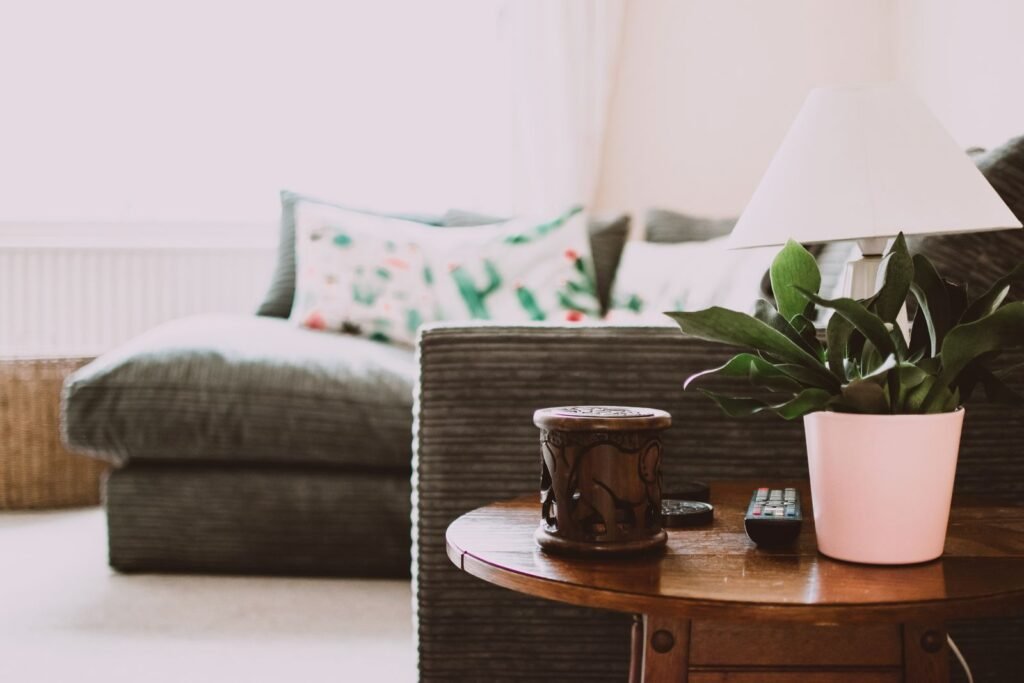
4. Corral Keys, Wallet and Sunglasses in a Bowl
The five-minute hunt for keys happens when they have no home. A small bowl or tray on the console — about 12–15 cm across — gives them one. The rule is beautifully simple: the moment you walk in, everything lands in the bowl; the moment you leave, everything leaves with you.
Pick something with a little weight so it doesn’t slide, and shallow enough that you can see the contents at a glance. One bowl per adult if you share the flat — sharing a tray means your keys bury each other.
5. Pair a Mirror With a Hook to Bounce Light Around
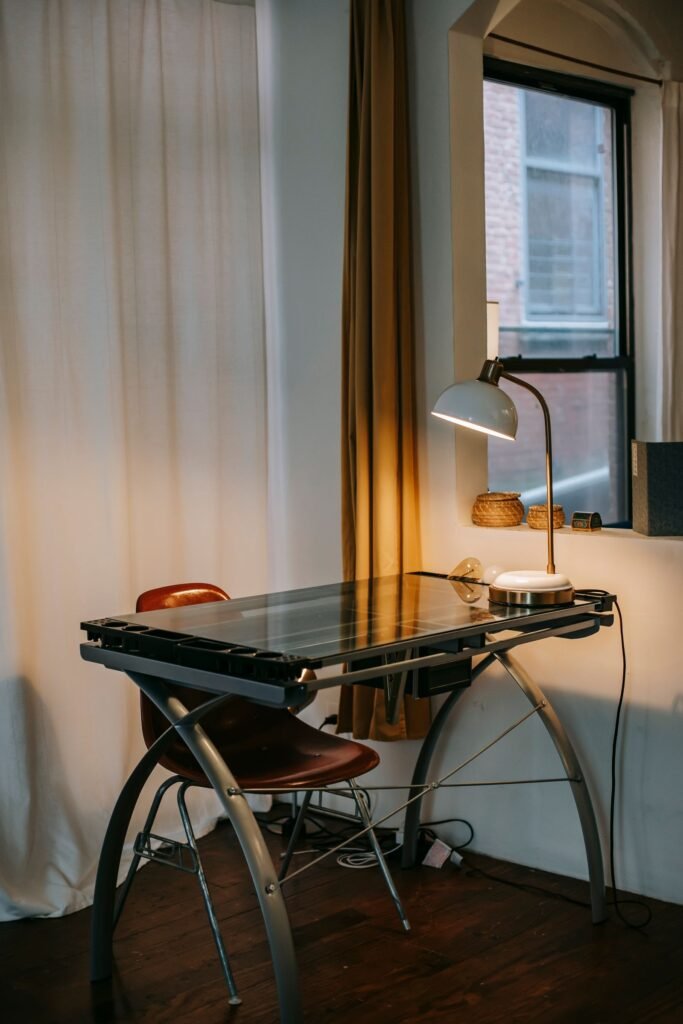
Hallways are often windowless, and a mirror is the cheapest way to double whatever light you have. Hang one opposite the door or beside a lamp, with its centre at about 150–160 cm from the floor, and the whole space feels wider and brighter instantly.
A round or arched mirror softens the hard lines of a narrow corridor, and the spot in front of it is perfect for one hook — hang tomorrow’s scarf there and you’ll never forget it. Lean the mirror on the console if you’d rather not fix anything to the wall.
6. Use Over-Door Hooks Inside the Entry Closet
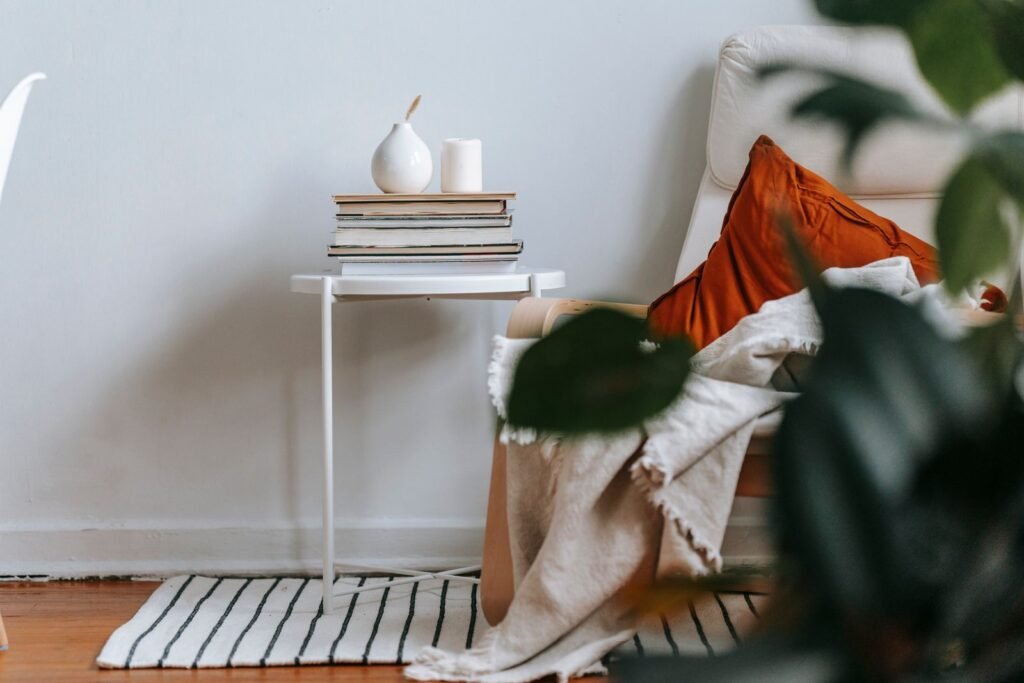
The back of a door is free storage. A set of three or four over-door hooks inside the entry cupboard holds this week’s coats, the shopping tote and the umbrella — all invisible the second the door closes. No screws, no marks, nothing to patch when you move out.
Keep it to the season’s active items only: four hooks, four things. When a coat hasn’t been touched in two weeks, it goes deeper into storage. The over-door hook is for the daily rotation, not the archive.
7. Keep a Basket for Post and Parcels
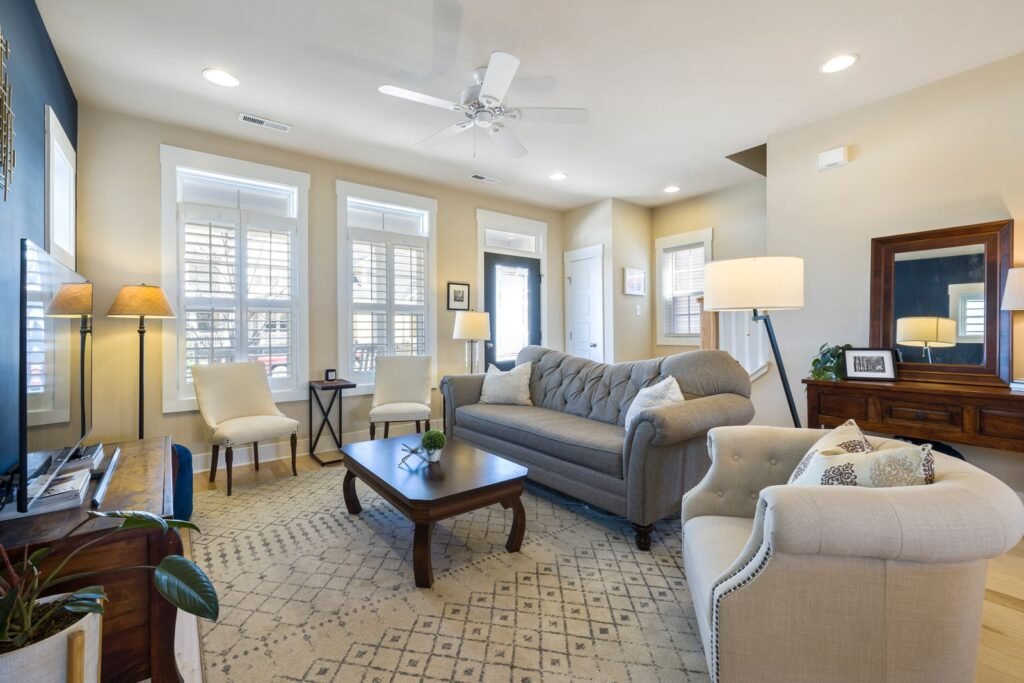
Post lands on the console, then breeds. A basket or woven tray near the door catches letters, parcels and those “to return” items in one visible pile. Sort it once a week: file it, act on it, or recycle it — nothing sits longer than seven days.
Choose one around 30 cm wide so it holds a stack of A4 envelopes without swallowing the whole console. If your entry is truly tiny, a tall narrow basket tucked beside the console works just as well — it uses floor space you were wasting anyway.
8. Add a Bench With Shoe Storage Underneath
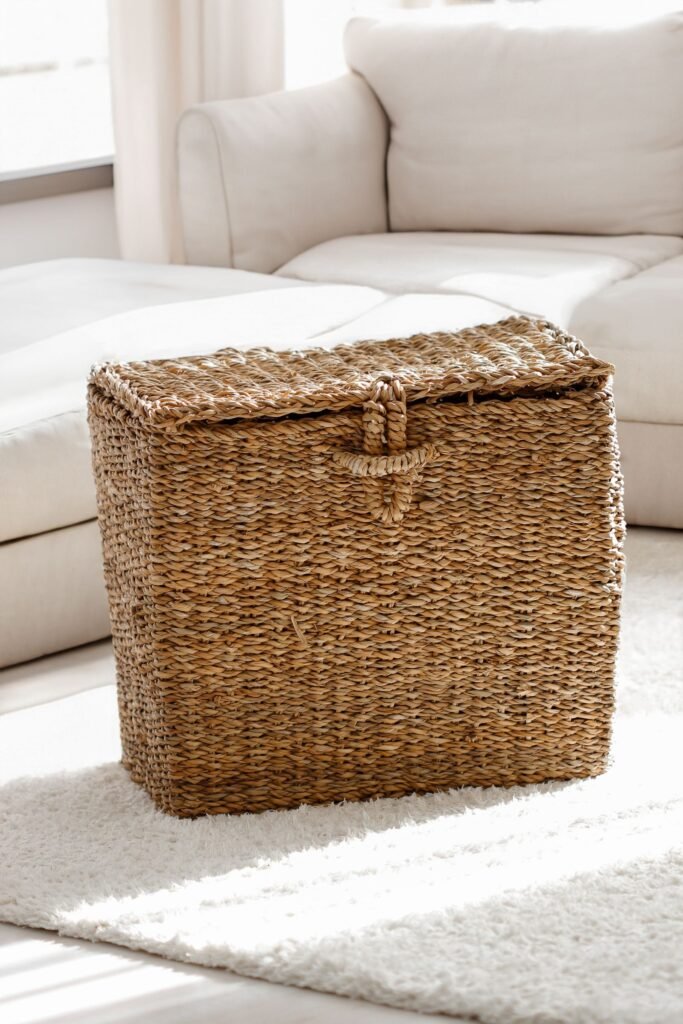
If your hallway is at least 110–120 cm wide, a bench earns its place: somewhere to sit while you lace up shoes, with the shoes themselves stored underneath in a pull-out drawer or a pair of low baskets. It turns the shoe zone from clutter into furniture.
Measure twice — you still need 75–80 cm of clear walkway with the bench in. Look for benches 30–35 cm deep with ventilation, slatted or open-front, so shoes air out. It’s the one piece of furniture that makes a hallway feel like a proper room.
9. Keep the Hallway Floor Completely Clear
This is the rule that makes all the others work. A hallway floor should hold feet and nothing else: no shoe piles, no laundry baskets, no “I’ll deal with it later” bags. The moment something lands on the floor it becomes invisible — and permanent.
Give every stray item a named home — tray, hook, basket, bowl — and the floor stays clear without willpower. Walk through once a week and re-home anything that escaped. A clear floor also makes a tiny hallway feel twice as wide, which is free square footage.
10. Do a 30-Second Leave-Home / Come-Home Reset
Systems only work if you use them, and this one takes thirty seconds. Coming home: shoes in the tray, coat on its hook, keys in the bowl, post in the basket. Leaving: grab it all back in reverse. It becomes muscle memory in about a week.
Pair it with something you already do — the reset happens while the kettle boils, or while your coat goes on. When everyone in the flat does it, the hallway never has time to get messy. Thirty seconds, twice a day, is the whole maintenance plan.
Final Thoughts
A tiny hallway doesn’t need more space — it needs everything in it to have a job and a place. Start with one change, probably the hooks or the bowl, and let the rest follow. Small entryways are forgiving: even two or three of these ideas will make yours feel calmer, brighter and easier to live with, rental deposit fully intact.