
Small Bathroom Cleaning Ideas That Stop Mould
Mould loves a small bathroom. Warm air, steam, and damp corners are exactly what it needs, and in a tiny washroom there is nowhere for the moisture to hide from — every surface stays damp a little longer than it should. That is why small bathrooms seem to grow dark spots on grout and sealant faster than bigger rooms, even when they look clean at a glance.
The good news is that stopping mould is mostly about small daily habits, not big weekend scrubbing sessions. These ten ideas work on prevention: dry the surfaces, move the air, and catch the early signs before they become stains. They are all renter-friendly, cheap, and quick — no new tiles, no drilling, and no renovation needed.
Key Takeaways
- Squeegee the shower walls after every use; it takes about thirty seconds.
- Run the fan or open the window for twenty minutes after showers.
- Wipe the sink and tap dry every night so no water stands.
- Check grout weekly and seal it when it keeps darkening.
- Fix one cleaning day a week and one twenty-minute deep clean a month.

1. Squeegee Shower Walls After Every Use
A squeegee takes about thirty seconds and it is the single best mould habit you can build. After your shower, pull the blade down the glass and the tiles from top to bottom, pushing the water toward the drain instead of leaving it to sit. Less standing water means less damp grout, fewer water marks, and far less for mould to feed on.
Keep the squeegee hanging inside the shower, not in a cupboard down the hall. If you have to go and fetch it, you will skip it — and a skipped day becomes a skipped week. Hang it on a suction hook or over the shower head where your hand finds it before you step out.

2. Run The Fan / Open The Window For 20 Minutes After Showers
Steam is the real enemy, and it hangs around long after you have dried off. Leave the extractor fan running — or the window open — for about twenty minutes after every shower so the damp air actually leaves the room instead of settling on the walls and ceiling. In a small bathroom this one habit does more than any spray.
If your fan is noisy or weak, give it a quick wipe now and then so dust does not choke it. And if you have no window and no fan, leave the bathroom door open after showering so the steam can drift out into a bigger, drier room instead of condensing in the smallest one.

3. Wipe The Sink + Tap Dry Nightly — No Standing Water
The sink is where water quietly pools: splashes around the tap base, a wet soap dish, a dripping toothbrush cup. Left overnight, that damp ring is a perfect mould starter, especially where the tap meets the basin. A ten-second wipe with a dry cloth before bed keeps the whole area dry until morning.
Keep one small cloth just for this job, folded on the edge of the sink or on a hook nearby. When the cloth itself gets damp, swap it for a dry one — a soggy cloth left on the basin just moves the problem around instead of solving it.

4. Grout Checked Weekly, Sealed When It Darkens
Grout tells you the truth about your bathroom. Once a week, take a quick look at the lines between your shower tiles and around the bath: if a patch has gone darker than the rest, it is holding moisture and mould is on its way. Catching it at the darkening stage means a wipe and a dry, not a scrub with a brush.
When grout keeps darkening in the same spot, it needs sealing. A small bottle of grout sealer, dabbed on with a brush, fills the tiny pores that trap water. It is a renter-friendly fix — invisible, cheap, and it buys you months of easier cleaning in that corner.

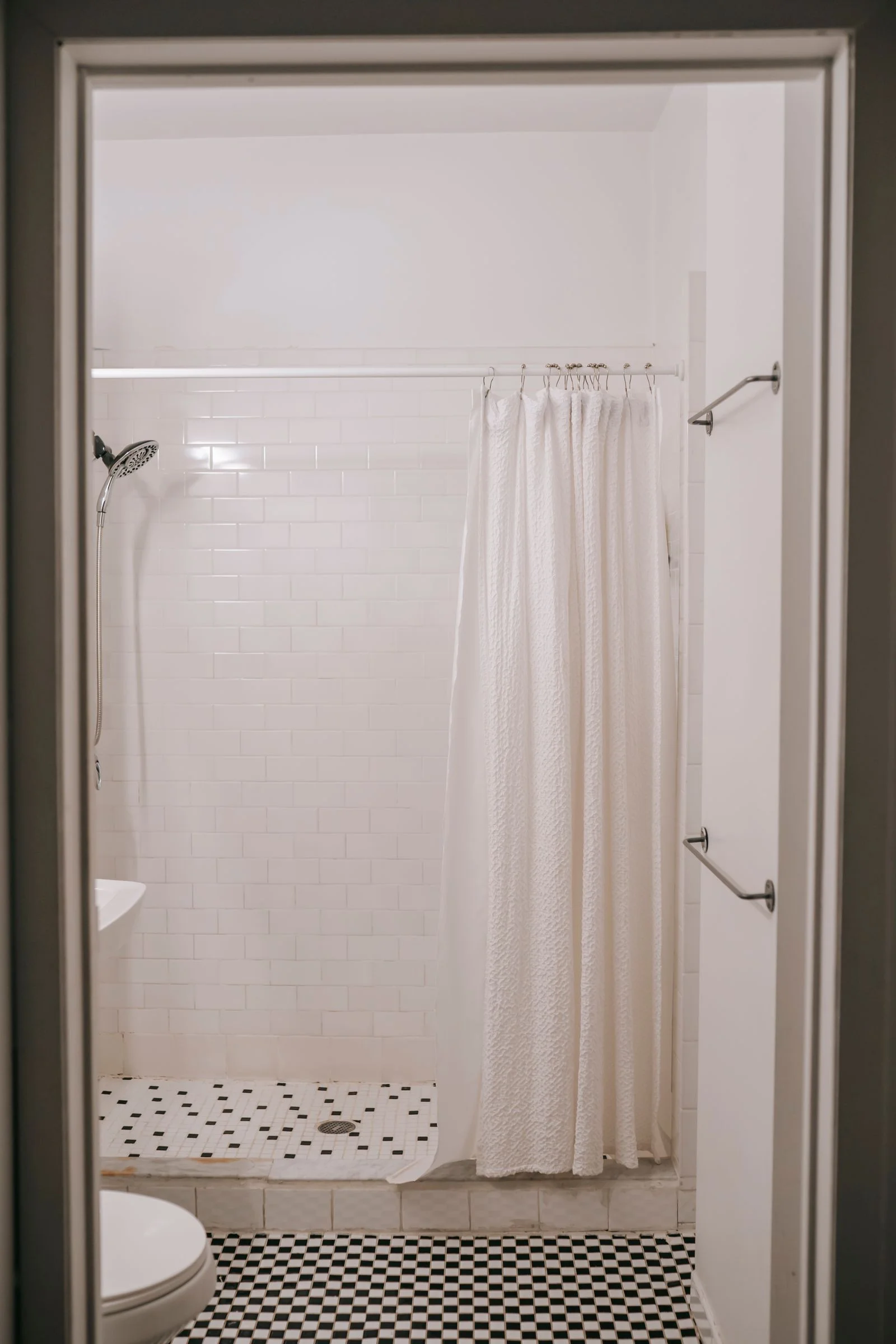
5. Shower Curtain / Liner Washed Monthly, Replaced When Spotted
The bottom of a shower curtain lives in permanent damp, which is why pink and black spots show up there first. Once a month, take the curtain or liner down and run it through a normal wash cycle, then hang it back up fully spread out so it dries instead of folding in on itself. A curtain bunched to one side never dries, and a wet curtain is a mould farm.
If spots survive the wash, or the fabric feels slimy even when clean, replace the liner. Liners are cheap, and a fresh one is far easier than scrubbing spots that have worked their way into the fabric for good.
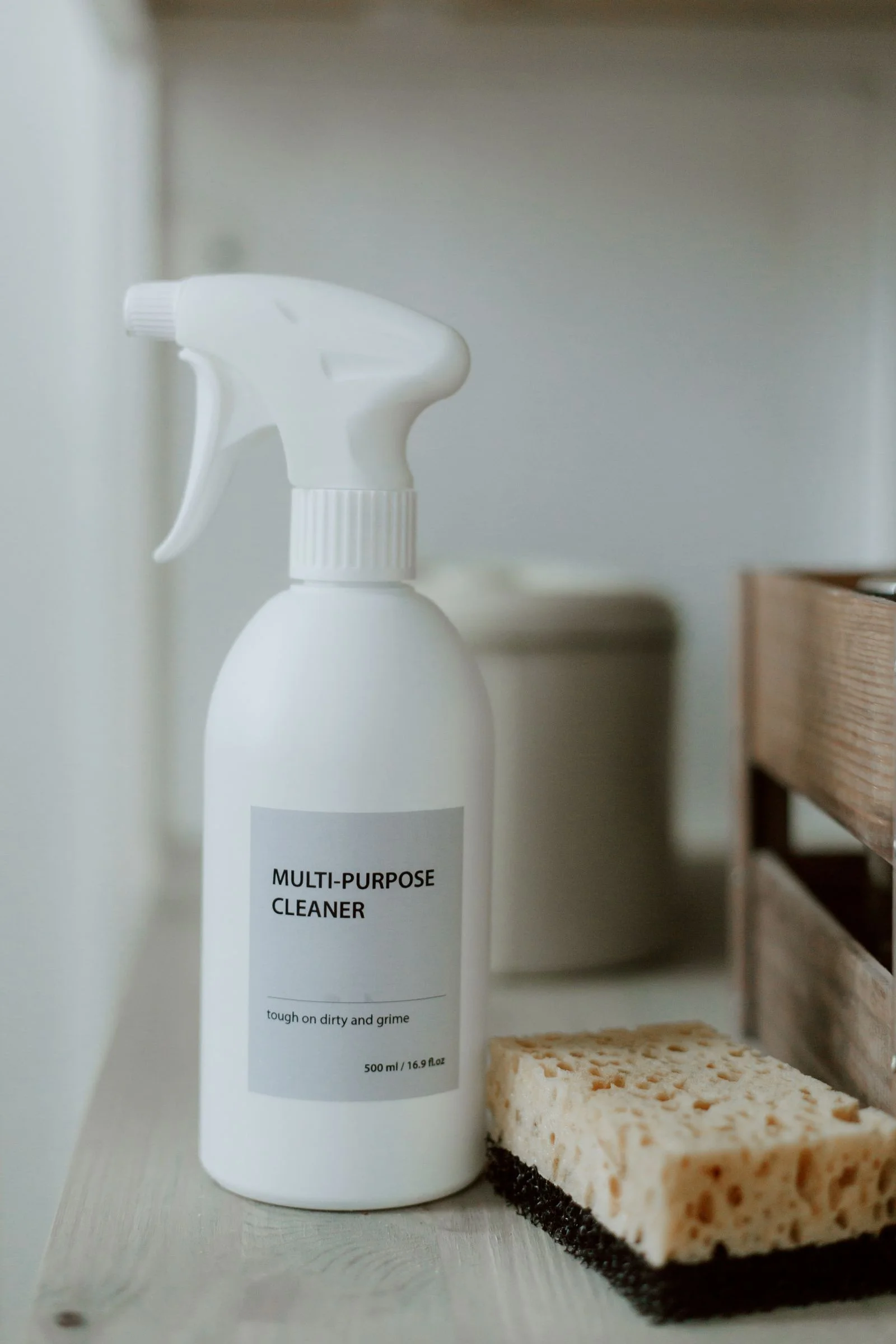
6. Keep Cleaning Spray + Cloth In One Caddy Under The Sink
You will only wipe things when the tools are within reach. Put one spray bottle and one cloth in a small caddy under the sink, and that is your whole bathroom cleaning kit. No hunting through kitchen cupboards, no excuse to leave a splash until the weekend — the kit is right there, every time.
One caddy also stops the product pile-up that makes small bathrooms look messy. When the kit lives in one spot, you notice when something runs out, and you never end up with four half-used bottles crowding the shelf above the sink.
7. Toilet + Floor On One Fixed Day, Not “When It Looks Bad”
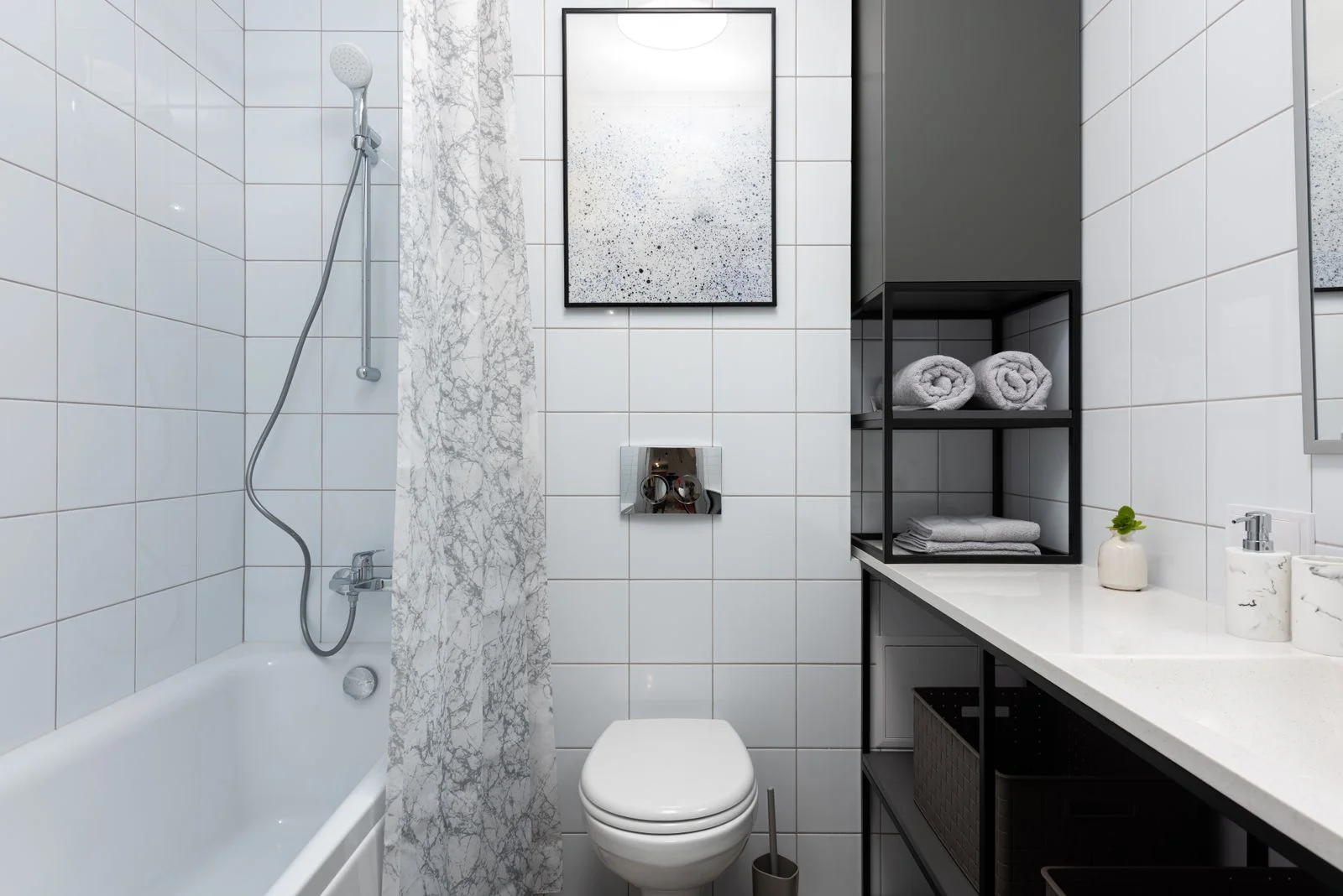
“When it looks bad” is how a bathroom gets quietly grimy. Pick one fixed day a week — say, Saturday morning — and that is toilet and floor day, every week, no debate. The toilet gets a brush and a wipe, the floor gets a mop, and the whole room resets on a schedule you can actually remember.
A fixed day also keeps the job small. A weekly wipe takes ten minutes; a monthly rescue mission takes an hour and a lot more scrubbing. Put the day on your phone as a repeating reminder and the bathroom never gets the chance to look bad in the first place.
8. Wash Bath Mats Weekly, Hang To Dry Fully
A bath mat that never fully dries is one of the sneakiest mould spots in a small bathroom. Wash the mat every week with your normal laundry, and — just as important — hang it up after every shower so air reaches both sides. A mat left flat on a damp floor stays wet underneath for days.
If your mat has a rubber backing, check underneath it when you lift it: that hidden side is where dark spots start. A quick shake outside and a spot on the towel rail after each use keeps the mat fresh between washes.
9. Declutter The Ledge — Fewer Bottles, Fewer Mould Spots
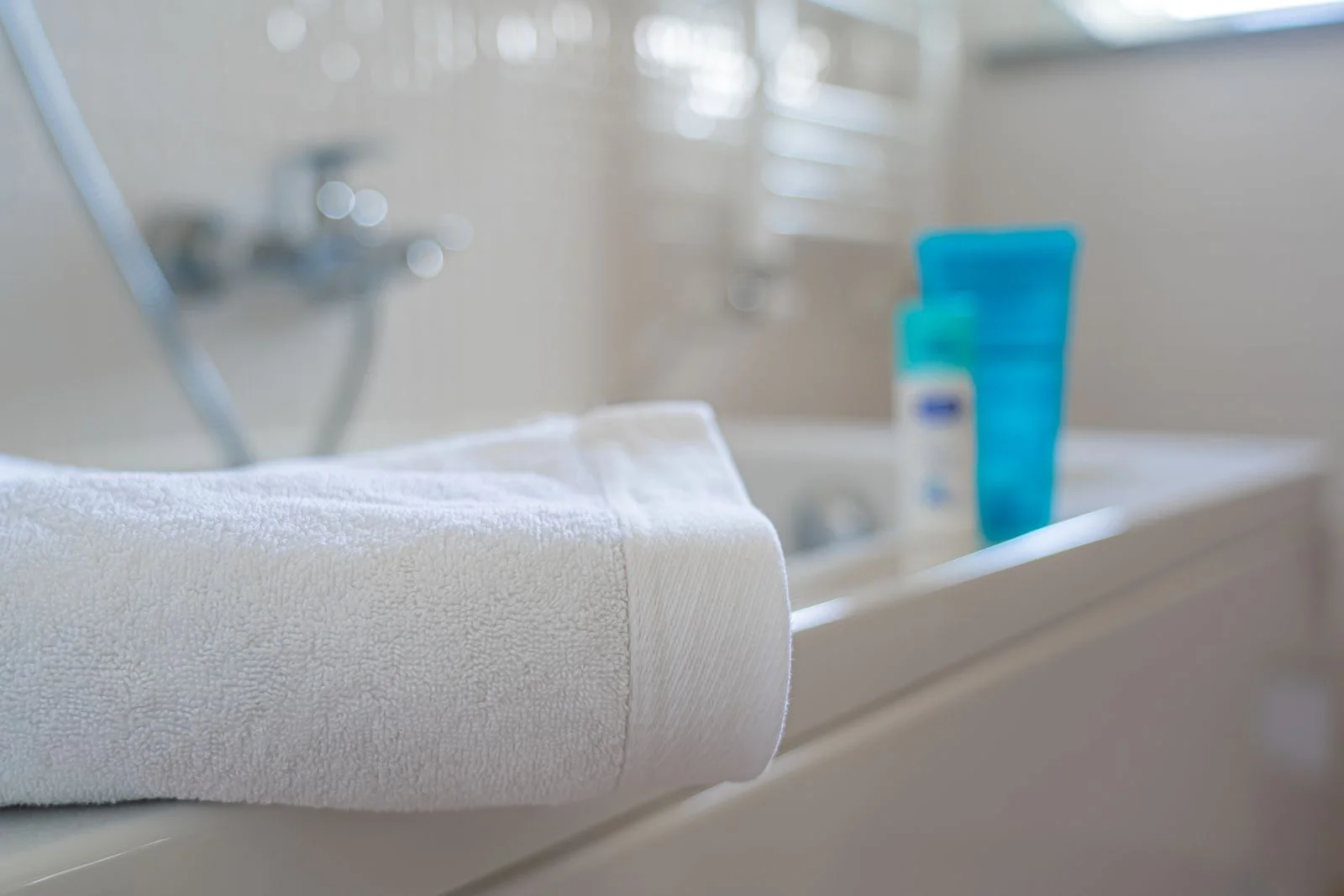
Every bottle sitting on the bath ledge or window sill traps a little ring of water underneath it, and those rings are exactly where mould starts. Fewer bottles means fewer damp rings, faster wiping, and a ledge you can actually dry in one pass. Keep daily products to three or four and store the rest under the sink.
Do a quick ledge check when you clean: lift each bottle, wipe underneath it, and put back only what you actually used that week. The bottles that never moved are the ones to store away — the ledge stays clear, and the mould loses its favourite hiding places.
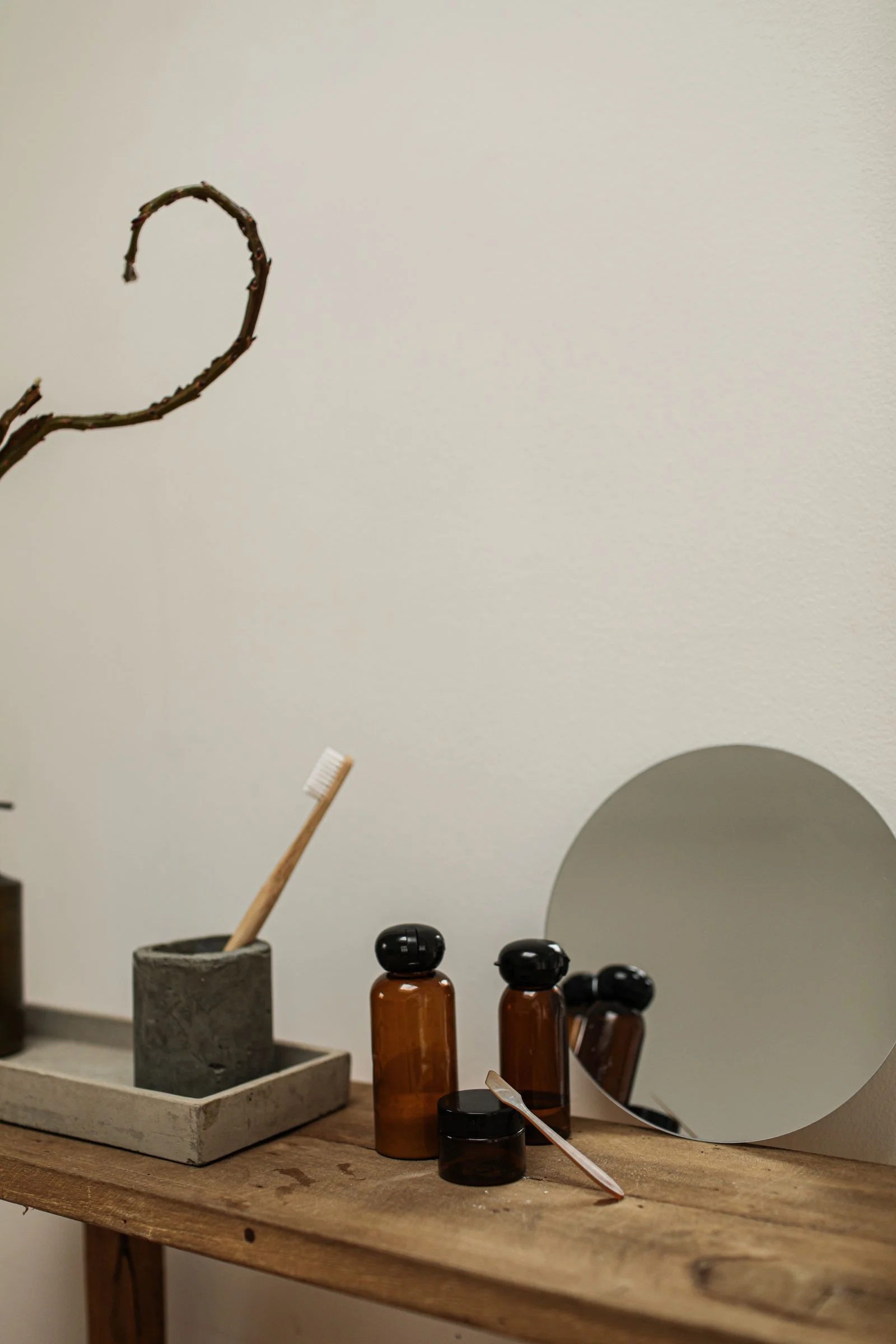
10. A Monthly 20-Minute Deep Clean: Grout, Sealant, Drain, Fan Cover
Once a month, set a timer for twenty minutes and hit the four spots daily habits miss: grout lines, the sealant around the bath and shower tray, the drain cover, and the fan cover. Scrub the grout, wipe the sealant, lift and rinse the drain cover, and dust the fan cover so air keeps moving properly.
Twenty minutes is genuinely enough when the daily habits are already doing their job — this is the safety net, not the main event. Do it on the same day each month, and the bathroom never builds up the kind of grime that needs an afternoon and a strong stomach to fix.

Frequently Asked Questions
What is the single best habit for stopping mould in a small
Squeegee the shower walls after every use. It takes about thirty seconds: pull the blade down the glass and tiles from top to bottom, pushing water toward the drain instead of leaving it to sit. Less standing water means less damp grout, fewer water marks, and far less for mould to feed on.bathroom?
How long should I run the fan after a shower?
Leave the extractor fan running, or the window open, for about twenty minutes after every shower. Steam hangs around long after you have dried off, and in a small bathroom this one habit does more than any spray. Give the fan a quick wipe now and then so dust does not choke it.
How do I stop mould growing on grout and sealant?
Check the grout lines once a week and look for darkening. When grout keeps darkening in the same spot, it needs sealing with a small bottle of grout sealer. Add grout, sealant, the drain and the fan cover to a monthly twenty-minute deep clean, so the spots daily habits miss still get caught.
How often should I wash the shower curtain and bath mats?
Wash the shower curtain or liner monthly, and wash bath mats weekly, hanging them to dry fully. The bottom of a curtain lives in permanent damp, which is why pink and black spots show up there first. If spots survive the wash, or the fabric feels slimy even when clean, replace the liner.
How do I keep bathroom cleaning quick and regular?
Keep one spray bottle and one cloth in a small caddy under the sink, so the tools are always within reach. Pick one fixed day a week for the toilet and floor, rather than waiting until it looks bad: a weekly wipe takes ten minutes, while a monthly rescue mission takes far longer.
Final Thoughts
Stopping mould in a small bathroom is not about cleaning harder — it is about cleaning sooner. Squeegee the shower, move the air for twenty minutes, wipe the sink dry, and keep the weekly and monthly checks on a schedule. Each habit takes seconds or minutes, and together they keep the room dry enough that mould never gets a foothold.
Start with just the first two habits this week and add the rest as they stick. A dry bathroom is a clean bathroom, and in a small space that small daily effort is what keeps the whole room feeling fresh, bright, and easy to live with.
Related reading: Small Bathroom Ideas For Sharing With Family, Small Bathroom Shower Ideas That Feel Bigger, and Small Bathroom Morning Ideas For Calm Get Ready.
Save this post on Pinterest and read Small Bathroom Shower Ideas That Feel Bigger.






2 Comments